
Yemen's maritime blockade sends Saudi oil on costly, lengthy detour
 6 Min Read
Yemen's maritime blockade is forcing Saudi Arabia to reroute oil shipments through longer and costlier corridors, exposing the kingdom’s dependence on vulnerable waterways and limited alternatives.
-
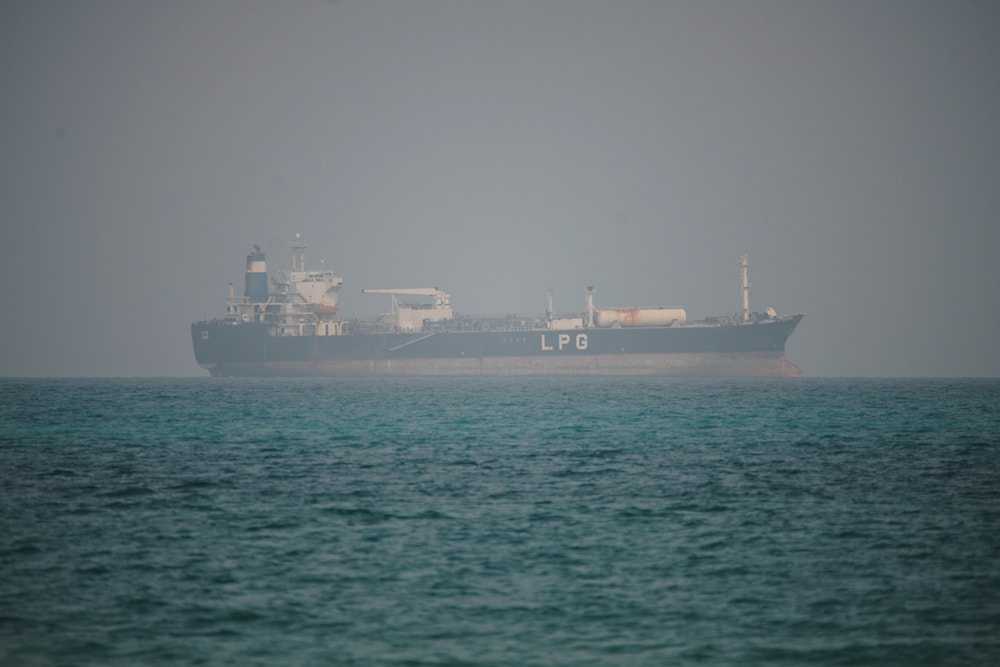
An LPG (liquefied petroleum gas) tanker sails in waters north of the Bab el-Mandeb Strait in Mokha, Yemen, Monday, April 6, 2026 (AP)
Yemen’s maritime blockade on Saudi Arabia is placing growing logistical and financial pressure on the kingdom’s oil trade, forcing tankers to avoid the shorter route through Bab al-Mandab and consider far longer voyages through Egypt’s Suez Canal and around the African continent, according to Reuters.
The pressure comes as traffic through the Strait of Hormuz has fallen to exceptionally low levels. Only one tanker crossed the waterway on Thursday, July 23, the lowest number since May 7, according to data from shipping analytics firm Kpler cited by Reuters, as oil prices returned to $100 per barrel.
The New Giant, a Very Large Crude Carrier loaded with two million barrels of Iraqi Basrah crude, was the only tanker to exit Hormuz that day. The vessel was heading toward the Chinese port of Rizhao, while no tankers entered the strait, compared with three total crossings the previous day.
Saudi Red Sea workaround comes under pressure
Saudi Arabia had already redirected much of its crude away from the Gulf after the US war on Iran disrupted tanker traffic through Hormuz.
The kingdom used its East-West Pipeline to transport oil from eastern production facilities to the Red Sea port of Yanbu, from where tankers could sail south through Bab al-Mandab toward Saudi Arabia’s main customers in Asia.
Yemen’s maritime measures have now placed that alternative corridor under pressure, leaving Riyadh with fewer efficient export options.
Following the blockade’s announcement, several Saudi-linked tankers changed course. The Rodos, which was carrying crude to India, turned north toward the Suez Canal, while at least five other vessels altered their routes, according to Reuters.
The Yemeni Armed Forces also announced operations against the oil tankers Encelia and Layla, saying the vessels had violated the ban on Saudi maritime traffic. Saudi authorities confirmed that the Encelia was struck and caught fire, adding that its crew was unharmed.
Shipping patterns shift at Bab al-Mandab
Despite the blockade, tanker crossings through Bab al-Mandab rose to 32 on July 23 from 26 the previous day, according to Kpler.
The figures indicate that some vessels continued using the passage, although others had already begun avoiding it because of the growing risks surrounding Saudi-linked maritime traffic.
One tanker carrying naphtha to Asia turned north toward the Suez Canal rather than following the usual route south through Bab al-Mandab. The diversion could make its journey nearly three times longer.
Saudi Aramco has also started offering crude cargoes loading from Egypt’s Mediterranean port of Sidi Kerir as an alternative to shipments departing from Saudi Red Sea terminals.
The move shows that Riyadh is no longer merely considering the Egyptian route but has begun incorporating it into its export strategy as pressure mounts on both Hormuz and Bab al-Mandab.
Asian deliveries face major delays
Using Suez as the principal outlet for Saudi oil presents a major geographical challenge because most of the kingdom’s customers are now in Asia.
During the 1970s and 1980s, a large share of Saudi crude was sold to Europe and the United States, making the northbound route through Egypt more practical. Today, tankers passing through Suez must cross the Mediterranean, sail through the Strait of Gibraltar, and round the Cape of Good Hope before reaching Asian markets.
A tanker traveling from Yanbu to Taiwan through Bab al-Mandab normally completes the journey in approximately 19 days.
Rerouting through Suez, the Mediterranean, and around Africa would extend the voyage to about 48 days, according to shipping data from Kpler and LSEG cited by Reuters, adding nearly a month to delivery times.
Rerouting costs rise sharply
The longer journey would more than double fuel expenses, raising them from an estimated $1.26 million to approximately $2.87 million, according to Reuters calculations based on LSEG data.
Crossing the Suez Canal would add another $1 million in transit fees.
Longer voyages could also reduce the number of deliveries each tanker can complete, limit vessel availability, and raise insurance and freight costs for Saudi exporters and their customers.
Although Saudi oil can still reach international markets, the blockade is making each shipment slower, more complicated, and considerably more expensive.
Technical limits restrict Suez option
The Suez route also presents operational difficulties for Very Large Crude Carriers, which cannot pass through the canal while fully loaded because of draft restrictions.
Energy Aspects said large tankers may have to enter the canal carrying only part of their capacity before taking on additional crude after reaching the Mediterranean.
Saudi Arabia can also transfer crude through Egypt’s Sumed pipeline, a 320-kilometer link connecting the Ain Sokhna terminal on the Red Sea with Sidi Kerir on the Mediterranean coast.
The pipeline allows crude to bypass the canal and can transport up to 2.5 million barrels per day. However, that capacity remains far below Saudi Arabia’s total crude exports of approximately seven million barrels per day.
Aramco’s decision to offer cargoes from Sidi Kerir suggests the kingdom is already relying more heavily on the Sumed system. Nevertheless, the pipeline can accommodate only part of the oil that may require rerouting, leaving Riyadh without a complete substitute for unrestricted access through either Hormuz or Bab al-Mandab.
US prepares further escalation against Iran
The mounting pressure on regional shipping comes as the United States prepares additional military options against Iran following nearly two weeks of continuous strikes.
The Wall Street Journal said US President Donald Trump had entered “revenge mode” and was increasingly frustrated that the war had continued longer than his administration anticipated.
A senior US administration official said Trump was losing patience with Tehran and believed military force offered the most effective means of pressuring the Iranian leadership.
Washington is reportedly transferring additional weapons, medical personnel and special forces to the region as prospects for a diplomatic settlement recede.
The reinforcements could allow the US to broaden its operations against Iran or respond to further attacks on US forces and commercial shipping.
Trump also announced that ships damaged by Iranian operations could be compensated using frozen Iranian assets held in the US, as Washington seeks to undermine Tehran’s position in the Strait of Hormuz.
The proposed measure would intensify the economic confrontation alongside the expanding military campaign, although the seizure of sovereign Iranian assets could face legal challenges.
Read more: ‘Blockade for blockade’: YAF impose immediate Saudi maritime ban


