
Zelensky pressures Europe to immediately release air defense missiles
 3 Min Read
Zelensky urges European nations to release missile reserves via NATO’s PURL initiative as Ukraine faces intensified Russian strikes and interceptor shortages.
-
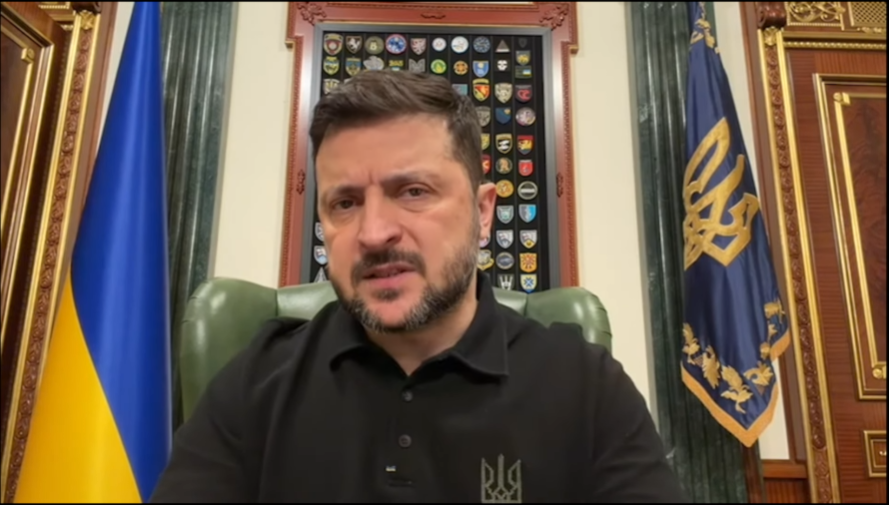
Ukrainian President Volodymyr Zelensky in a video address on January 11, 2026 (Source: screengrab from a video posted on the official website of the President of Ukraine)
Ukrainian President Volodymyr Zelensky has called on European nations to immediately release their stockpiled air defense missiles. In a recent video address, Zelensky emphasized that European depots hold the needed systems, and that further contributions through the NATO-coordinated Prioritized Ukraine Requirements List (PURL) initiative are essential.
"The first priority is air defense missiles," Zelensky declared, reiterating Ukraine's urgent need for munitions capable of countering waves of Russian drone and missile attacks. "The missiles are there in the depots, and we know that, we know all of it."
Zelensky's appeal follows severe shortages in Ukraine's interceptor stockpiles, as Ukrainian forces have seen their effectiveness drop sharply. By late 2025, missile interception success had fallen to 54%, and defense against ballistic missiles plummeted to just 6% in October. Shortages have forced Ukraine to reduce the number of interceptors used per threat, increasing vulnerability.
The appeal comes during intensified Russian strikes on Ukrainian energy sites amid freezing winter temperatures. Over 250 drones were reportedly launched in early January 2026, disrupting energy supply in regions like Kiev and Zaporozhye, with Local authorities reporting widespread blackouts affecting heating and water systems.
The PURL initiative
The PURL initiative, established in August 2025, serves as a NATO-US mechanism to address Ukraine's security needs by facilitating European financing for US-made weaponry. Under the program, Ukraine submits priority military requirements, which are vetted and approved through monthly NATO coordination. The approved items are then procured using pooled European funds, valued at approximately $1 billion per month, split into two $500 million packages.
As of December 2025, 24 countries had joined PURL, with contributions exceeding $4.3 billion. Major donors include Germany, Canada, the Netherlands, and multiple Nordic and Baltic states. The initiative has primarily focused on air defense systems, particularly Patriot interceptors, IRIS-T missiles, and artillery shells.
However, production constraints continue to hinder timely delivery. Lockheed Martin, for example, produces around 500-550 PAC-3 missiles per year, while European IRIS-T systems face multi-year backlogs due to high demand.
Though PURL has enabled large-scale support, questions remain over how much more Europe can provide from its own reserves without weakening its own defense readiness. Zelensky's reference to missiles "in the depots" alludes to European-held inventories, but actual availability is shaped by national policies and military risk assessments.
Peace talks ongoing
At the same time, discussions on a potential peace agreement are ongoing. Zelensky recently noted that a deal is "90% ready," with unresolved issues related to territorial control in Donbass. A summit in Paris on January 6 gathered 35 nations under the so-called Coalition of the Willing, where discussions centered on post-conflict security guarantees, military aid, and monitoring mechanisms.
Russian officials continue to condemn Western arms deliveries, calling them escalatory. Foreign Minister Sergey Lavrov has reiterated that weapon shipments are legitimate military targets and warned against any NATO troop deployments in Ukraine, labeling such moves unacceptable.


