
Zelensky proposes face-to-face meeting with Putin, calls for ceasefire
 3 Min Read
Ukrainian President Volodymyr Zelensky has called for a direct meeting with Russian President Vladimir Putin in an open letter, proposing a full ceasefire and prisoner exchange as talks remain stalled.
-
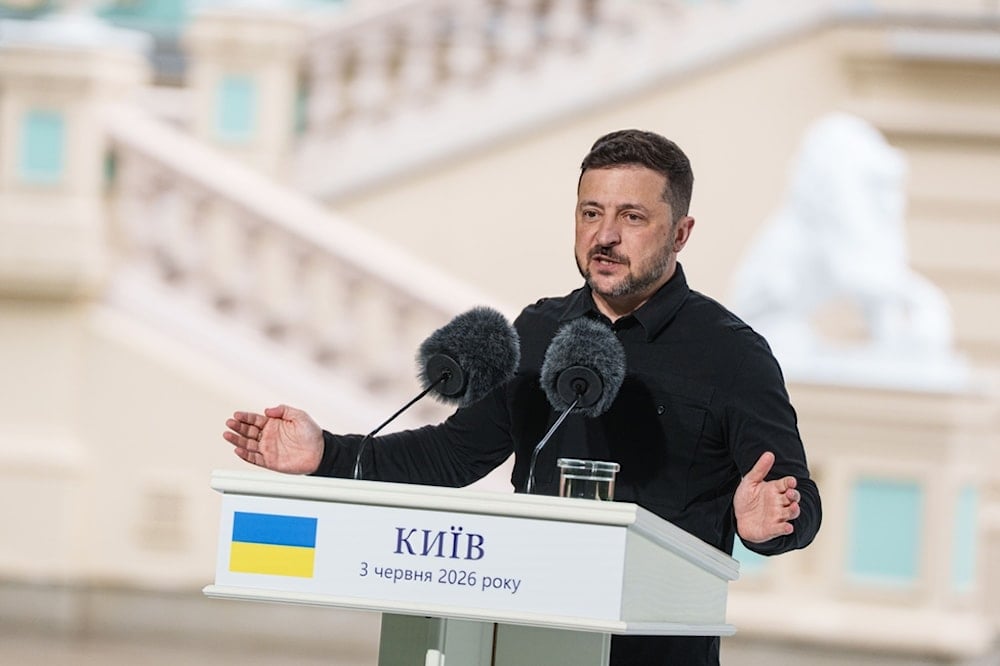
Ukraine's President Volodymyr Zelensky speaks to journalists during a joint press conference with NATO Secretary General Mark Rutte in Kiev, Ukraine, on Wednesday, June 3, 2026 (AP Photo/Evgeniy Maloletka)
Ukrainian President Volodymyr Zelensky has proposed a face-to-face meeting with Russian President Vladimir Putin and expressed readiness for a “full ceasefire” during negotiations, according to an open letter published Thursday by the Ukrainian presidency.
The letter marks one of the few direct appeals Zelensky has made to Putin since the start of the war, as diplomatic efforts between the two sides remain stalled after months of deadlock.
Open Letter
— Volodymyr Zelenskyy / Володимир Зеленський (@ZelenskyyUa) June 4, 2026
To the President of the Russian Federation
From the President of Ukraine
When you came to power in Russia more than 26 years ago, many people in Ukraine viewed you positively. That is how it was. But that is now in the past.
Now, the overwhelming majority of…
“Ukraine proposes ending this war through direct engagement between us -- and you. I am proposing a meeting,” Zelensky said in the letter, adding, “Ukraine is ready for a full ceasefire for the duration of the negotiations.”
Zelensky also suggested a comprehensive prisoner exchange, stating an “all-for-all” swap as a potential “good prologue to ending the war,” while reiterating that only direct talks with Putin could produce agreement on core territorial issues.
Previous rounds of negotiations held in Istanbul, Abu Dhabi, and Geneva have failed to produce a breakthrough, particularly on questions related to post-war territorial arrangements, while broader US-led diplomatic efforts have also remained largely frozen amid the ongoing Iran war.
There was no immediate response from Putin, who was holding a meeting with foreign journalists in Saint Petersburg at the time the letter was released. Putin has previously indicated he would only meet Zelensky once a finalized peace agreement is in place.
Ukrainian drones strike Saint Petersburg as SPIEF opens
Zelensky's letter follows a recent escalation in the war, as the latest attacks befell on the Russian front with Ukrainian drones striking energy and military-linked infrastructure in Saint Petersburg early Wednesday, coinciding with the opening of the Saint Petersburg International Economic Forum (SPIEF), Russian and Ukrainian authorities confirmed.
Targets reportedly included the Saint Petersburg Oil Terminal and the Kronstadt military base, with fires breaking out at key energy infrastructure facilities. Saint Petersburg Governor Alexander Beglov confirmed damage to “several” sites, while stating that no fatalities were recorded.
The timing of the strikes, as thousands of delegates gathered for Russia’s flagship economic forum, underscored the widening geographic scope of the war and its increasing penetration into strategic urban and industrial zones far from traditional frontline areas.
Ukrainian forces have launched a heavy attack on Saint Petersburg in Russia and hit multiple targets related to Russia‘s oil industry. pic.twitter.com/4UtpY9gKII
— (((Tendar))) (@Tendar) June 3, 2026
SPIEF, once positioned as “Russia’s Davos,” opened with approximately 20,000 participants from 130 countries, reflecting Moscow’s continued attempt to sustain economic connectivity under sustained Western sanctions pressure.
Since 2022, SPIEF has undergone a structural transformation, shifting away from Western capital markets and toward non-Western partnerships, particularly across Asia, Africa, and West Asia. This shift reflects a broader fragmentation of the global economic order into competing blocs shaped by sanctions regimes and geopolitical confrontation.
The disruption caused by the drone strikes added a visible security dimension to the forum’s opening, reinforcing the extent to which economic diplomacy in Russia now operates under direct conditions of military escalation.


