
ZNPP loses external power for 23rd time since Ukraine war began
 3 Min Read
The Zaporizhzhia Nuclear Power Plant lost external electricity again, forcing emergency generators to maintain safety systems as fighting continues around the facility.
-
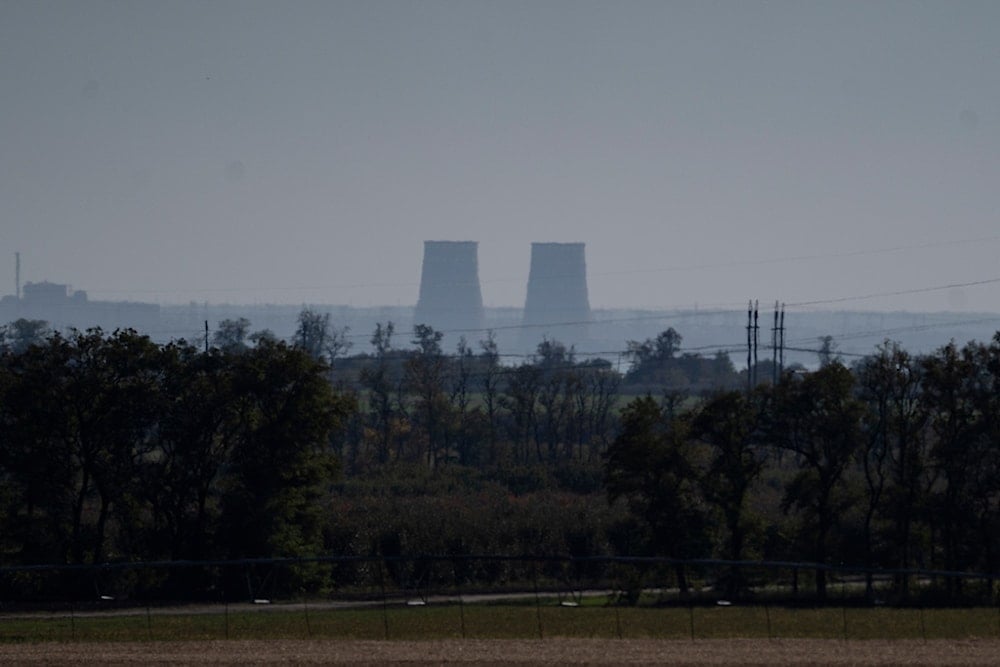
Zaporozhye nuclear power plant is seen from around twenty kilometers away in an area in the Dnepropetrovsk region, Ukraine, Monday, Oct. 17, 2022. (AP Photo/Leo Correa)
The Zaporozhye Nuclear Power Plant (ZNPP) lost its external electricity supply for nearly two hours on Saturday, marking the 23rd such incident since the start of the Russia-Ukraine war, according to the International Atomic Energy Agency (IAEA).
"The Zaporizhzhya NPP today lost off-site power for the 23rd time during the military conflict," the UN nuclear watchdog said in a statement on X.
The IAEA added that the cause of the outage had not yet been determined.
The Zaporizhzhya NPP today lost off-site power for the 23rd time during the military conflict, once again highlighting the fragile nuclear safety situation at the site, DG @rafaelmgrossi says.
— IAEA - International Atomic Energy Agency ⚛️ (@iaeaorg) August 1, 2026
During the disconnection of the ZNPP’s last remaining power line - Ferosplavna-1 -… pic.twitter.com/2W3Ppjlyhg
The plant's last remaining external power line, Ferrosplavnaya-1, was disconnected during the incident, prompting emergency diesel generators to provide electricity needed for reactor cooling and other essential nuclear safety functions.
Although backup systems maintained operations, the repeated loss of external power has continued to raise concerns over the security of one of Europe's largest nuclear facilities.
Read more: Zelensky blames Patriot shortage for failed missile interceptions
Nuclear safety concerns persist as fighting continues
The recurring outages at ZNPP highlight the vulnerability of critical infrastructure as military operations continue across the battlefield.
The plant has remained under Russian control since 2022, when Russian forces took over the facility shortly after the start of its special military operation. Since then, Moscow and Kiev have repeatedly accused each other of carrying out attacks near the plant, with the IAEA warning that military activity around the facility poses ongoing risks.
The nuclear facility's location near active combat zones has made it one of the most sensitive sites in the confrontation. Any damage to power infrastructure supplying the plant could threaten essential cooling systems, increasing concerns over a potential nuclear safety crisis.
At the same time, the broader conflict has continued to escalate, with Kiev receiving expanded military support from Western countries while launching long-range strikes against targets inside Russian territory.
Moscow has repeatedly warned that attacks on strategic infrastructure risk widening the confrontation.
Zaporozhye plant remains at center of Moscow-Kiev confrontation
The Zaporozhye Nuclear Power Plant became a major flashpoint after Russian forces secured control of the facility in 2022. Located in the city of Energodar in the Zaporozhye region, the plant is the largest nuclear power facility in Europe and has six reactors.
Throughout the conflict, the facility has repeatedly faced disruptions to its electricity supply due to damage affecting external transmission lines. The IAEA has maintained a presence at the plant while calling for measures to prevent military activity from threatening nuclear safety.
Recent developments in the Russia-Ukraine war have seen continued pressure on strategic infrastructure, with both sides targeting energy and military-related sites as part of their broader operations. The repeated incidents at ZNPP have therefore become a symbol of the wider risks created by the continued escalation between Moscow and Kiev.
Read more: Putin vows to defend Russia's Arctic interests, Northern Sea Route


