
FAI admits 'Israel' fixtures have put Irish football in difficult spot
 4 Min Read
The FAI says Ireland’s upcoming “Israel” fixtures are an uncomfortable situation as boycott calls grow and players face pressure over the games.
-
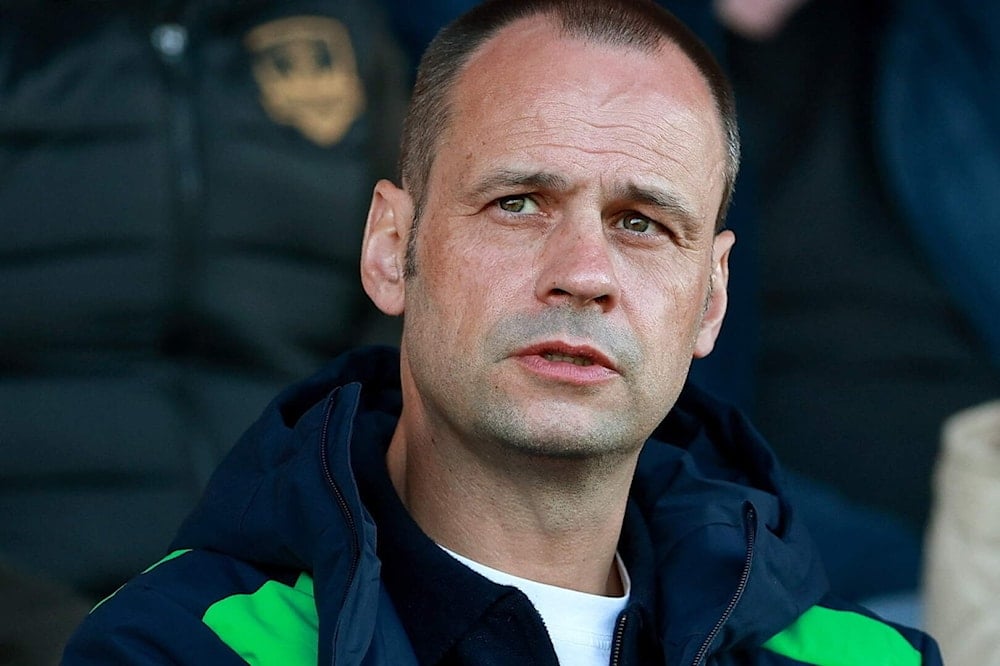
FAI director of football John Martin, undated (SPORTSFILE)
The Football Association of Ireland (FAI) has acknowledged growing unease over its decision to proceed with two UEFA Nations League fixtures against “Israel", saying the controversy surrounding the games has created a difficult situation for Irish football and its players.
FAI Director of Football John Martin said the association accepts that there is strong opposition to the fixtures, but maintained that the decision to play them should not place responsibility on the Ireland squad.
“The decision shouldn't fall on the players because it wasn't a players' decision - it was a decision by the association, by the board, the executive. People like me, [FAI CEO] David Courell made the decision, not the players,” Martin told RTÉ Sport.
Sinn Féin's Joanna Byrne presented a united opposition letter to the Department of Sport calling on Ireland's game against Israel not to go ahead.
— Sinn Féin (@sinnfeinireland) September 15, 2026
Israel has murdered hundreds of Palestinian footballers, they play football on illegally occupied Palestinian land, they… pic.twitter.com/sZ4xacU2yq
FAI backs decision despite opposition
Ireland is due to face “Israel” at a neutral venue in Debrecen, Hungary, on September 27, before returning to Serbia for the reverse fixture in Backa Topola on October 4.
The FAI has confirmed that the fixture designated as Ireland's home game will be played behind closed doors. Irish supporters will also not be provided with tickets for the away fixture.
The association approved the matches at an extraordinary general meeting in July, when 75 delegates voted in favor of proceeding, compared with 32 against and three abstentions. The decision followed warnings that withdrawing from the fixtures could cause “significant and lasting harm” to the FAI.
No intention, consequences rule
Martin said the association itself had previously made it clear that it did not want to play the games, but argued that cancelling them would have consequences for Irish football.
“The association has been on record saying we don't want to be playing these games. I don't want to play the games but for that to impact Irish football, that's where I would disagree with some of the voices saying we shouldn't play the game,” he said.
“I agree with the vast majority of what people are saying, but the aspect of not playing the game is where we have a difference of opinion.”
Campaign calls for boycott
Pressure on the FAI has continued since the vote, with Irish Sport for Palestine launching a “Stop The Game” campaign demanding that the fixtures be boycotted.
The campaign has received backing from former Ireland manager Brian Kerr and former international James McClean.
Tomorrow! Join us 15th September, Department of Sport, 1pm, to hand in a letter demanding that Ireland boycotts the Nations League fixtures against apartheid Israel. Opposition sports spokespeople will also be speaking. We must not cross the Palestinian picket line. #StopTheGames pic.twitter.com/CmLH7VXtTL
— IPSC (@ipsc48) September 14, 2026
Opposition to the fixtures has also surfaced around the national team. In May, defender Seamus Coleman said the decision to stage the matches “should not have landed on our [players] toes," while captain Nathan Collins said players who chose not to take part would not face opposition from their teammates.
The controversy has already spilled into an Ireland international. A friendly against Qatar in May was interrupted twice after tennis balls were thrown onto the pitch.
Players urged not to carry responsibility
Martin said individual players should be free to determine whether they participate, stressing that the FAI's decision should not be transferred onto them. “It's a personal choice for the player,” he said.
He added that Ireland manager Heimir Hallgrimsson would oversee the issue while ensuring players were protected from the surrounding controversy.
“We have a fantastic manager and person in Heimir [Hallgrimsson] who will manage that, but at all stages we must mind the player.”
“It should be a player-centre world we are in, we are always mindful of the physical environment the player is in and we need to protect them as much as possible.”
The FAI official acknowledged that the players would inevitably be exposed to the dispute once they take the field, but argued that the responsibility for the decision remains with the association.
“It’s going to be very difficult because it does fall on them because they are on the pitch, but I would hope people can see they are following the decision the association took as opposed to putting them at the centre of this.”
For Martin, however, the immediate issue is how to proceed with fixtures already approved by the FAI while shielding the Ireland players from a dispute they did not initiate.


