
Google, Microsoft maintain Anthropic AI access despite Pentagon ban
 3 Min Read
Google and Microsoft confirmed Anthropic’s AI will remain available for civilian and commercial projects, even as the US Department of Defense bars its use in military contracts.
-
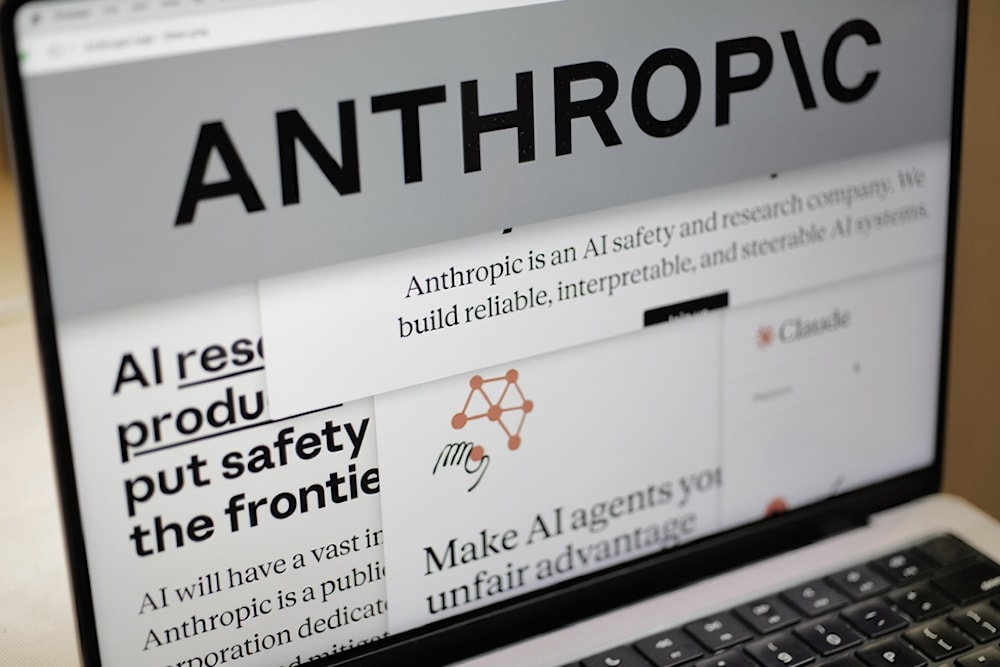
Pages from the Anthropic website and the company's logo are displayed on a computer screen in New York on Thursday, Feb. 26, 2026 (AP)
Google and Microsoft confirmed Friday that Anthropic’s artificial intelligence technology will remain available for commercial and civilian use, despite the US Department of Defense declaring the company a supply chain risk.
Anthropic CEO Dario Amodei stated that the Pentagon’s designation prevents the company from participating in federal defense contracts, but he plans to challenge the decision in court.
“We have concluded that Anthropic products, including Claude, can continue to serve customers outside the Department of Defense,” Microsoft said Thursday, echoing Google’s announcement that non-defense projects will proceed without disruption.
Amazon also confirmed that it will continue offering Anthropic AI to its cloud clients, excluding military applications.
Anthropic amid US military operations
The restrictions come as the US-Israeli aggression on Iran intensifies. Reports indicate Anthropic’s AI models were used by US forces during operations targeting Iranian military infrastructure, raising concerns over AI governance and supply chain security.
Experts warn that limiting Anthropic in defense contexts may disrupt ongoing operations, but civilian AI use is expected to expand globally. Google, a key investor in Anthropic with over $3 billion in funding, emphasized that the DoD ruling does not affect commercial access.
Amodei said the company “has no choice” but to pursue legal action, marking a new phase in US regulatory oversight of AI technologies and their military applications.
Civilian and commercial applications continue
Despite the defense ban, Anthropic’s Claude AI remains widely available through Google Cloud’s Vertex AI platform, serving industries such as healthcare, finance, and research. Analysts note that the tension between civilian and military AI use underscores broader geopolitical and technological disputes, particularly as Washington tightens controls on strategic technologies during conflicts in the Middle East.
Observers highlight that this controversy could set important precedents for US policy on AI export, deployment, and oversight, as private companies navigate the line between innovation and national security.
Trump orders phase-out as Pentagon continues use
Trump announced last week that federal agencies would be required to stop using Anthropic’s technology, granting them six months to phase it out. Defense Secretary Pete Hegseth has labeled the company a supply chain risk.
National security outlet Defense One reported that replacing Claude’s capabilities could take three months or longer, citing multiple sources familiar with the Pentagon’s internal discussions.
According to Emil Michael, the Defense Department uses Claude to synthesize documents and improve logistics and supply chain efficiency, among other applications.
Broader implications for AI and warfare
The episode highlights growing tensions between technology firms and the US military over the boundaries of artificial intelligence in warfare.
As Washington expands its aggression against Iran, the use of advanced AI tools, even amid political and contractual disputes, underscores the increasingly central role of private-sector technology in modern conflict.
Read more: US uses Anthropic's Claude AI in Iran aggression despite federal ban


