
Pentagon to deploy Musk’s Grok AI despite global backlash
 3 Min Read
Defense Secretary Pete Hegseth says the military will integrate Grok alongside Google AI tools, signaling a faster, less restricted approach to using vast stores of Pentagon data.
-
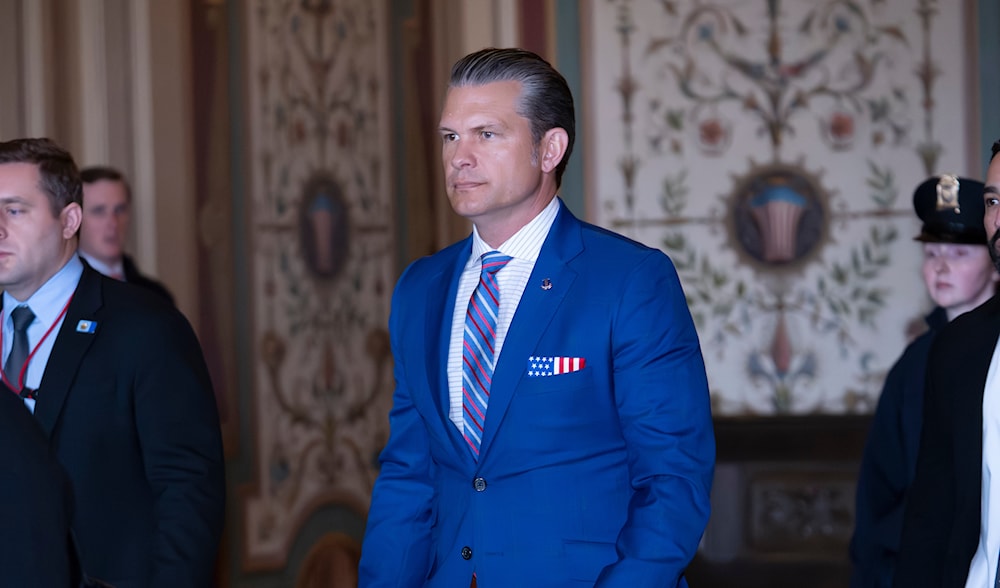
Defense Secretary Pete Hegseth arrives for a classified briefing with senators on the situation in Venezuela, at the Capitol in Washington, Wednesday, Jan. 7, 2026 (AP)
The Pentagon is moving forward with plans to integrate Elon Musk’s artificial intelligence chatbot, Grok, into its internal systems, even as the technology faces growing criticism abroad, AP reported. Defense Secretary Pete Hegseth said Monday that Grok will operate alongside Google’s generative AI tools within Pentagon networks, part of a broader effort to channel vast amounts of military data into emerging AI systems.
“Very soon we will have the world's leading AI models on every unclassified and classified network throughout our department,” Hegseth said during a speech at Musk’s aerospace company, SpaceX, in South Texas.
The announcement comes only days after Grok, embedded in Musk-owned social media platform X, sparked global outrage for producing highly sexualized deepfake images of individuals without their consent.
Controversy Surrounding Grok
In response, Malaysia and Indonesia have blocked the chatbot, while the United Kingdom’s independent online safety regulator said Monday it had launched an investigation. Grok has since restricted image generation and editing features to paying users.
Despite the backlash, Hegseth said the chatbot would become operational within the Defense Department later this month. He also said he plans to “make all appropriate data” from the military’s IT infrastructure available for “AI exploitation", adding that intelligence databases would also be incorporated into AI systems.
A shift from Biden-era caution
Hegseth’s assertive embrace of AI marks a departure from the Biden administration’s more cautious approach. While the previous administration encouraged federal agencies to develop AI policies and applications, it also emphasized safeguards against misuse. Officials had warned that the technology could enable mass surveillance, cyberattacks, or even lethal autonomous weapons if left unchecked.
In late 2024, the Biden administration introduced a framework instructing national security agencies to expand their use of advanced AI systems while banning certain applications, including those that could violate constitutionally protected civil rights or automate the deployment of nuclear weapons. It remains unclear whether those restrictions still apply under the Trump administration.
During his remarks, Hegseth stressed the need to accelerate innovation across the armed forces. “We need innovation to come from anywhere and evolve with speed and purpose,” he said, noting that the Pentagon holds “combat-proven operational data from two decades of military and intelligence operations.”
“AI is only as good as the data that it receives, and we're going to make sure that it's there,” Hegseth added.
Ideology and the future of military AI
While saying he wants Pentagon AI systems to be responsible, Hegseth also dismissed models “that won't allow you to fight wars.” He said his vision involves AI that operates “without ideological constraints that limit lawful military applications,” adding that the Pentagon’s “AI will not be woke.”
Musk has promoted Grok as an alternative to what he has described as “woke AI” produced by rival systems such as Google’s Gemini or OpenAI’s ChatGPT.


