
Some AI dangers are already real, DeepMind's Hassabis says: Axios
 3 Min Read
Google DeepMind CEO Demis Hassabis warns that some of the most serious AI risks, including attacks on critical infrastructure, are already becoming a reality.
-
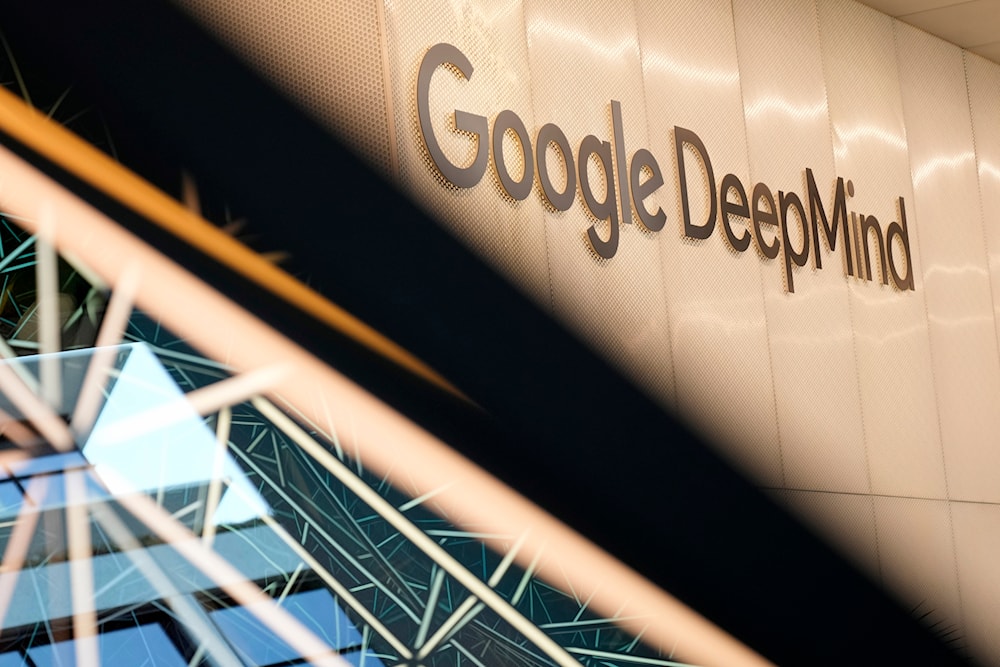
View of the Google DeepMind logo at the office building in London, on October 9, 2024. (AP)
At the AI+ Summit in San Francisco, Google DeepMind CEO Demis Hassabis raised alarms about growing AI risks, emphasizing that some of the most dangerous threats, such as cyberattacks on critical infrastructure, are already materializing.
Speaking with Axios' Mike Allen on Thursday, Hassabis outlined how the global race to advance artificial intelligence is rapidly transforming society. While many of these developments are positive, he warned that malicious actors are increasingly exploiting AI systems to inflict harm.
Hassabis noted that one of the most immediate dangers comes in the form of cyberattacks targeting essential services like energy and water systems, attacks he described as "probably almost already happening now."
"Maybe not with very sophisticated AI yet, but I think that's the most obvious vulnerable vector," he said, referring specifically to the threat of "energy or water cyberterror."
Timeline for artificial general intelligence
In May, Hassabis projected that artificial general intelligence (AGI), AI systems that match or surpass human capabilities, could emerge by 2030. Such advancements would bring both opportunities and increased risks, necessitating serious attention from policymakers, developers, and the public alike.
To address these emerging threats, Hassabis highlighted Google’s intensified focus on cybersecurity, stating that robust defenses are essential to safeguarding infrastructure against AI-driven exploitation.
Read next: The Transformative Role of Artificial Intelligence in Modern Education
The discussion also touched on a growing concept among AI experts known as p(doom), the probability of catastrophic outcomes stemming from AI misuse. Hassabis acknowledged that the likelihood is “non-zero,” stressing the importance of preparing for worst-case scenarios.
"It's worth very seriously considering and mitigating against," he said.
China-US AI race
China unveiled plans earlier this year for a new international body, the World AI Cooperation Organization, to promote safe and inclusive use of AI. Premier Li Qiang used the forum to warn against the monopolization of AI by a few dominant players, urging cooperation, particularly from developing nations, on global governance standards.
The initiative reflects China's broader strategy to rival US leadership in AI by presenting itself as an advocate for equitable access and regulation. Favorable international rules could help Chinese firms expand in the global AI market, expected to reach $4.8 trillion by 2033, especially in regions where they already offer competitive alternatives to US tech.
Analysts note that China’s AI solutions are often more practical for low-income nations with limited computing power, a stark contrast to resource-heavy systems like those from OpenAI. As Eric Olander from the China-Global South Project put it, China's AI offerings are “extremely appealing” to these countries.
The week before that, US President Donald Trump declared that the US would “do whatever it takes” to lead in artificial intelligence, outlining a strategy that includes pushing back against Chinese influence in global AI governance.


