
Spain moves to raise social media age limit to 16 with EU-backed check
 3 Min Read
Spain is preparing legislation to raise the minimum age for social media access without parental consent to 16 while testing EU-backed age-verification technology, joining a global push to tighten online protections for minors.
-
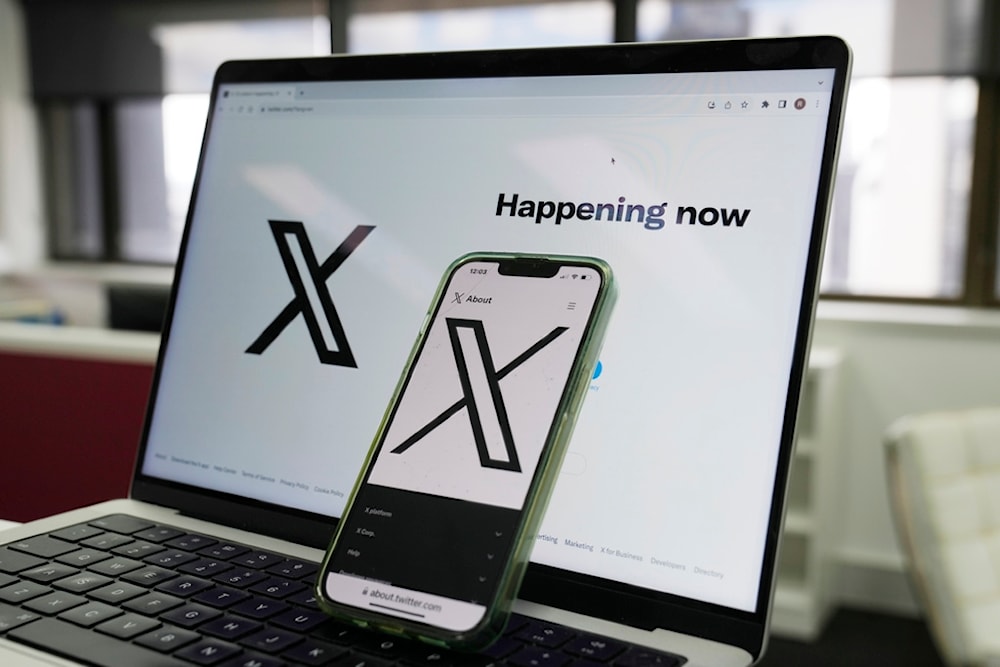
The opening page of X is displayed on a computer and phone, Oct. 16, 2023, in Sydney. (AP)
Spain is moving ahead with plans to tighten restrictions on minors’ access to social media, as part of a broader European push to strengthen child protection online through legislation and age-verification technology.
In a statement released on Thursday, the Ministry for Digital Transformation and the Civil Service said the government is preparing a bill that would raise the age at which users can access social media without parental consent. "The government is working on a bill that would raise the 'digital age of majority' for accessing social media without parental consent from 14 to 16," the ministry said.
The proposed change would place Spain at the upper end of the age range allowed under EU data protection rules, which permit member states to set the threshold for children’s consent between 13 and 16. By moving to 16, Spanish authorities aim to limit minors’ exposure to harmful content, addictive platform design, and data collection practices targeting children.
The announcement followed a meeting of Spain’s international advisory council on artificial intelligence, after which Minister for Digital Transformation Oscar Lopez confirmed that Spain has begun testing a new age-verification system. According to the ministry, Spain is among the first EU countries to participate in a European Commission-backed pilot project, alongside three other states, to assess the feasibility of standardized age checks across the bloc.
Platform accountability
The pilot is part of the EU’s wider efforts under the Digital Services Act, which places new obligations on online platforms to protect minors and reduce systemic risks. The age-verification tool is expected to align with future European digital identity frameworks, allowing users to prove their age without disclosing unnecessary personal data.
Officials said that once the legislation is approved and the technical system finalized, the age-verification mechanism is expected to be rolled out nationally in 2026.
Spain’s move comes amid growing international momentum to curb children’s access to social media. Earlier this month, Australia enacted one of the world’s strictest measures, banning access to platforms including Instagram, Facebook, Threads, Snapchat, TikTok, X, YouTube, Reddit, Kick, and Twitch for users under 16. Under the Australian law, companies that fail to remove accounts belonging to underage users could face fines of up to 49.5 million Australian dollars ($32.9 million).
While Spain is stopping short of an outright ban, its approach signals a shift toward stricter regulation and technical enforcement, reflecting mounting concern among governments over the impact of social media on children’s mental health, privacy, and well-being.
Read more: EU slaps Elon Musk’s X with €120mln, cites Digital Services Act breach


