
EU raises Red Sea naval alert amid Saudi aggression on Yemen
 2 Min Read
The EU has raised its Red Sea naval mission’s alert level amid Saudi aggression on Yemen and Sanaa’s blockade targeting Saudi vessels, fueling concerns over shipping and oil supplies.
-
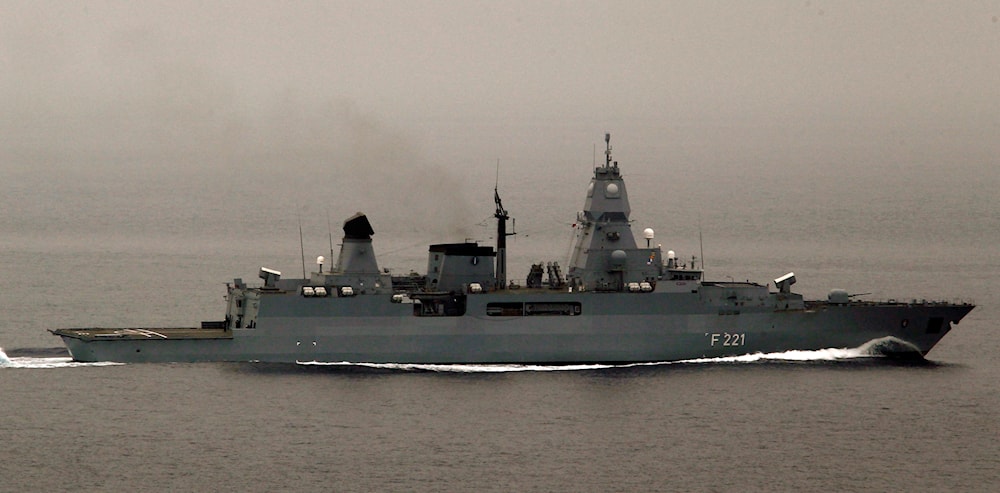
A general view shows the German Navy frigate Hessen at an undisclosed position in the Mediterranean Sea, south of Sicily, June 14, 2010 (AP)
The European Union’s naval mission in the Red Sea has raised its alert level as renewed Saudi attacks on Yemen and Sanaa’s reciprocal blockade on Saudi vessels heighten tensions around the strategic Bab al-Mandab Strait.
EU foreign policy chief Kaja Kallas announced the measure on Friday following discussions with her Saudi counterpart, confirming that Operation Aspides would continue escorting commercial ships.
"Given the worsening security situation, EU Operation Aspides has raised the alert level of its vessels as it continues its escort duties."
Framing the European deployment as a response to threats from the Yemeni Resistance, Kallas wrote: "Europe is helping protect shipping in the Red Sea from Houthi attacks."
Sanaa’s blockade puts pressure on Riyadh
The announcement comes amid renewed fighting between Yemeni Armed Forces and Saudi-backed forces, alongside Saudi military intervention and Sanaa’s declaration of a maritime blockade targeting Saudi ships.
According to the report, Ansar Allah’s territorial advances have extended its control across Yemen’s Red Sea coastline, strengthening its position near Bab al-Mandab and increasing pressure on maritime routes used for Saudi oil exports.
The strait connects the Red Sea with the Gulf of Aden, making developments along its shores significant for regional trade and international shipping.
Two strategic waterways under strain
The escalation coincides with continuing disruption to shipping through the Strait of Hormuz amid the US-Israeli war on Iran, raising concerns about further pressure on global energy supplies.
Disruption to Saudi exports through the Red Sea could compound the impact of restrictions in Hormuz, placing both strategic maritime passages under simultaneous strain.
The EU established Operation Aspides in 2024 during an earlier period of Yemeni operations against shipping targeting Israeli and Israeli-linked vessels. Kallas announced increased readiness aboard its vessels without outlining any change to the mission’s escort role.
Read more: Iran war drives US fuel prices higher as oil supply disruptions deepen


