
US withdrawal from Iraq: Did Sayyed Nasrallah’s 2020 call materialize?
-
 Laila Nicola
- 30 Sep 2026 18:26
- 1 Shares
 5 Min Read
There being reasons for the US to pull out of Iraq does not negate the fact that forces opposed to American presence had also worked toward the same outcome.
-
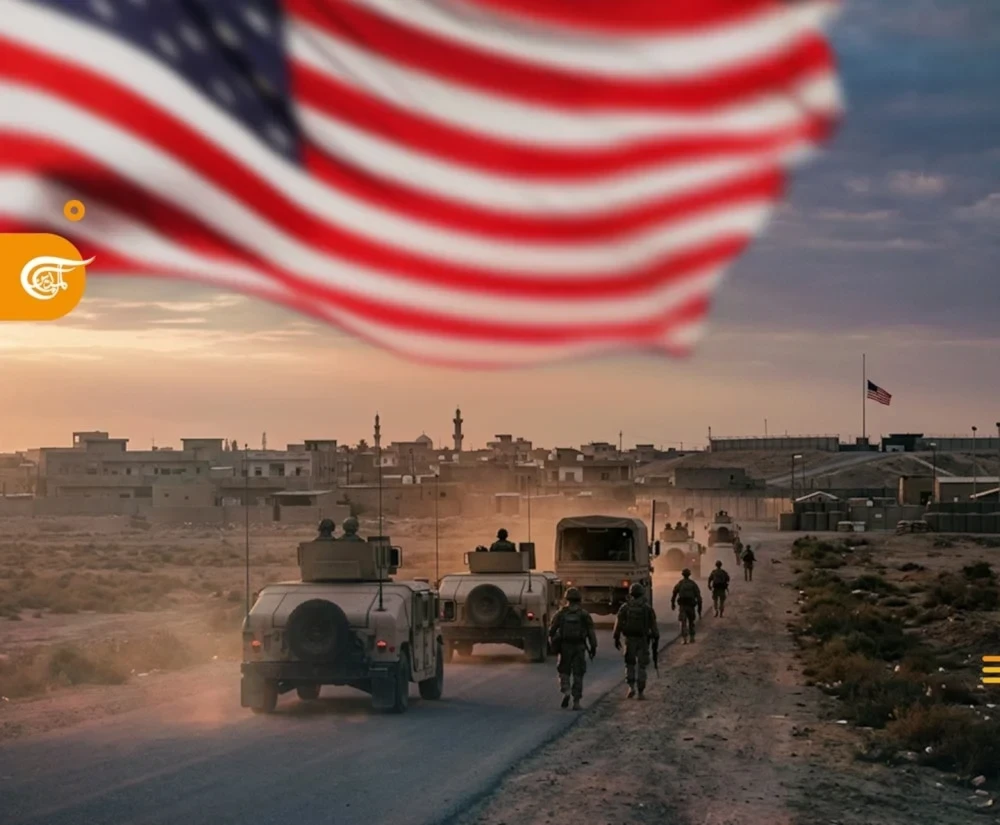
Did Sayyed Nasrallah’s 2020 call come true?
With the completion of the US military withdrawal from Iraq, a chapter spanning more than two decades of American military presence in the country has come to an end.
Yet the departure of US troops does not necessarily mean a reduction of American influence in Iraq. Military withdrawal and political influence are two different matters.
The United States is not leaving Iraq entirely, not politically, and surely not economically. Washington still retains significant tools of influence built through agreements with the Iraqi state, economic ties, relations with state institutions, and diplomatic influence that does not necessarily depend on maintaining troops on the ground.
The military withdrawal therefore raises a central question: Is what is happening today precisely the trajectory that Sayyed Hassan Nasrallah outlined following the assassination of Hajj Qassem Soleimani and Abu Mahdi al-Muhandis in early 2020?
US military withdrawal does not mean an end to influence
On January 5, 2020, just days after the assassination at the Baghdad International Airport, Sayyed Nasrallah made it clear that the real response to the assassination was not targeting US civilians or carrying out a limited military response, but rather "expelling the US forces from Iraq and the entire region."
Sayyed Nasrallah went further, saying that ending the US military presence in Iraq is "the bare minimum response" to the assassination, adding that with this, the Americans would discover that they had "lost Iraq after killing Soleimani and al-Muhandis, while their aim behind killing them was the opposite."
The significance of the 2020 speech lies in the fact that it shifted the confrontation from the level of a direct military response to a struggle over the legitimacy of the US presence itself, turning the debate over American forces into a question of sovereignty and political legitimacy in Iraq.
Immediately after the assassination, the question of US presence became a central issue in Iraqi political life. The Iraqi parliament voted on a resolution calling on the government to end the presence of foreign forces in the country, while US bases faced sustained political and security pressure in the years that followed.
That trajectory eventually led to the agreements that have now culminated in the US military withdrawal from Iraq. The final departure on September 30 marked the end of the US-led coalition's military mission in the country, although Washington says its bilateral security relationship with Baghdad will continue in a different form.
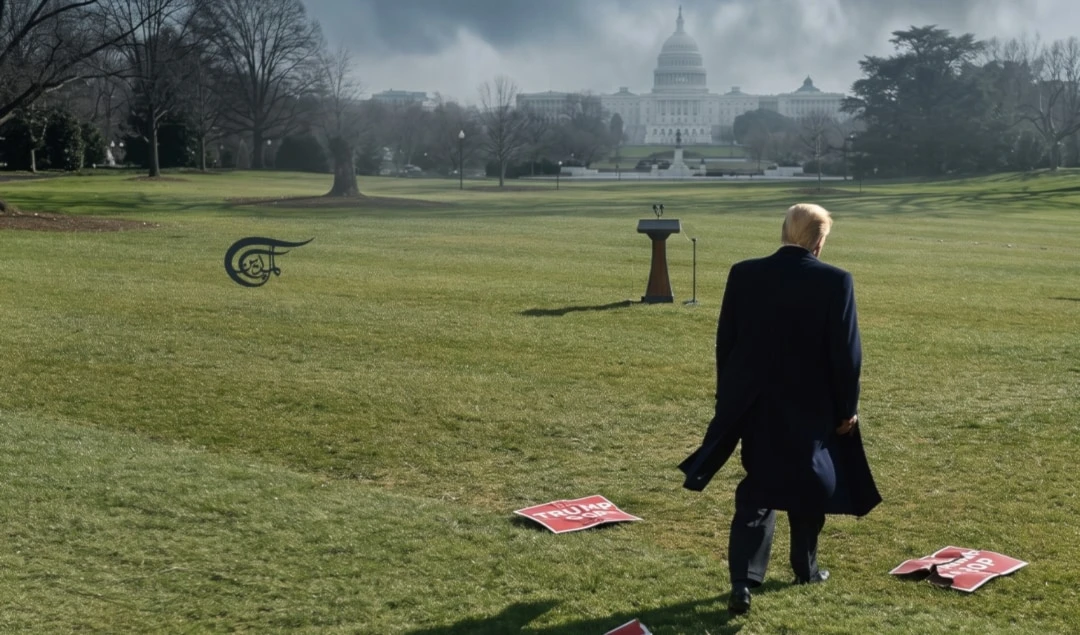

Why is the US leaving Iraq now?
Objectively, the current US withdrawal can be attributed to several intertwined factors, including a shift in Washington's broader strategic priorities.
For years, the United States has been moving toward reducing its direct military involvement in West Asia while focusing more heavily on competition with China and other major powers. Successive US administrations have also embraced the idea of ending the "long wars" that consumed American resources for decades.
From the US perspective on the region, technological developments and growing pressure on military bases make it difficult to view the withdrawal from Iraq as entirely separate from the earlier US departure from Syria. The two developments appear to form part of a broader strategic trajectory toward reducing the direct US military footprint in the region, amid the rising cost of protecting American troops and bases and growing risks associated with their presence.
Iraq and Syria were not separate arenas. For years, they formed an interconnected operational space focused on combating extremist organizations, monitoring border corridors, and influencing regional balances of power.
Who gains from the US withdrawal?
There being reasons for the US to pull out of Iraq does not negate the fact that forces opposed to American presence had also worked toward the same outcome. Therefore, the key question now is who gains politically and strategically from the withdrawal.
Domestically, the Iraqi factions that campaigned under the banner of expelling US forces consider themselves political and moral winners. These forces waged a prolonged struggle under precisely this slogan and view the departure of US troops as the fulfillment of an objective they had pursued for years.
Regionally, it is difficult to overlook that the development intersects with one of Iran's strategic objectives since 2003: ending a permanent US military presence on its western borders. Some Western analysts have likewise argued that the withdrawal removes a force that had served as a counterweight to Iranian influence inside Iraq.
What comes after the withdrawal?
In conclusion, a form of coexistence between US and Iranian influence in Iraq is likely to remain.
Whether the withdrawal is viewed as the result of pressure from forces opposed to the US presence or as the product of a shift in Washington's strategic priorities, one fact is difficult to overlook: six years after the assassination of Qassem Soleimani and Abu Mahdi al-Muhandis, US forces have left Iraq.
The final judgment on who truly won and who lost, however, will not be determined by the moment of withdrawal itself. It will be shaped by the kind of Iraq that emerges in the years ahead. If the Iraqi state can use the withdrawal to strengthen its sovereignty, build its institutions, and prevent the country from becoming a permanent arena for conflict, Iraq itself will be the principal beneficiary of this historic moment.
If, on the other hand, the withdrawal creates security gaps or produces greater imbalances in the country's internal power structure, the gain in sovereignty could give rise to new challenges.


