In Tehran, I bid farewell to a revolutionary
-
 Fra Hughes
- 9 Jul 2026 16:26
- 3 Shares
 4 Min Read
A journey to Tehran to bid farewell to Sayyed Ali Khamenei, exploring his legacy, the movement he represented, and the convictions that continue to inspire millions.
-
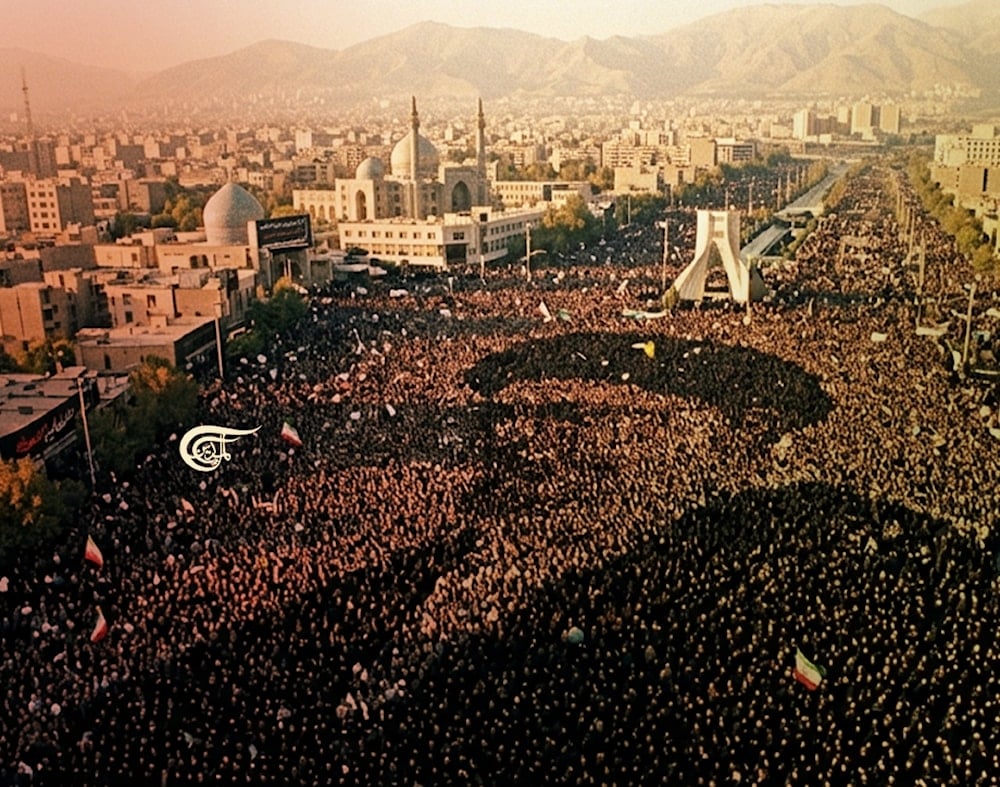
Leaders may die, but ideas endure. Like a seed carried from the fruit, they take root in new generations. (Designed by: Al Mayadeen English/ Fatima Attieh)
I stand with Iran. I stand with Palestine. I stand with Yemen, Lebanon, and Iraq. I stand with the oppressed, the colonised, the occupied, the downtrodden, and the exploited. I stand with what I believe to be the Axis of Resistance. That is why I travelled to Tehran to attend the funeral of Sayyed Ali Khamenei.
To many, he was Iran's leader. To those gathered in the streets, he was something more: a man of the people, a man from the people. They remember him as a leader, a visionary, and a man of honour, integrity, and faith.
He died in the service of his nation, his people, and his beliefs, surrounded by his family. He was killed alongside members of his family, including his fourteen-month-old grandchild. Yet those mourning him insist his death was not in vain. His legacy, they believe, lives on in the streets of Iran and Iraq, where millions have gathered to honour him. Millions upon millions of people are paying their respects during these days of mourning. Millions more around the world grieve his loss from afar.
What, then, has been lost?
In my view, the world has lost one of the last great revolutionary figures of the modern era. For decades, Sayyed Khamenei guided Iran through crippling economic sanctions while pursuing what became known as a policy of strategic patience. His conviction was that the first duty of any revolutionary is to safeguard the revolution itself.
Whether one agrees with his politics or not, it is impossible to ignore the transformation Iran has undergone during his leadership. His commitment to self-reliance shaped a country that today is, in the eyes of his supporters, stronger and more resilient than ever before. Remaining steadfast in the face of external pressure and determined to defend Iran's sovereignty became defining features of his leadership.
Walking through Tehran alongside millions of mourners, I witnessed not only grief but resolve. I heard the mourning and saw the tears, yet I also encountered pride, sumud [steadfastness], and quiet determination. Night after night, people filled the streets in what they saw as an act of defiance against American imperialism, Zionist aggression, and what they perceived as European indifference.
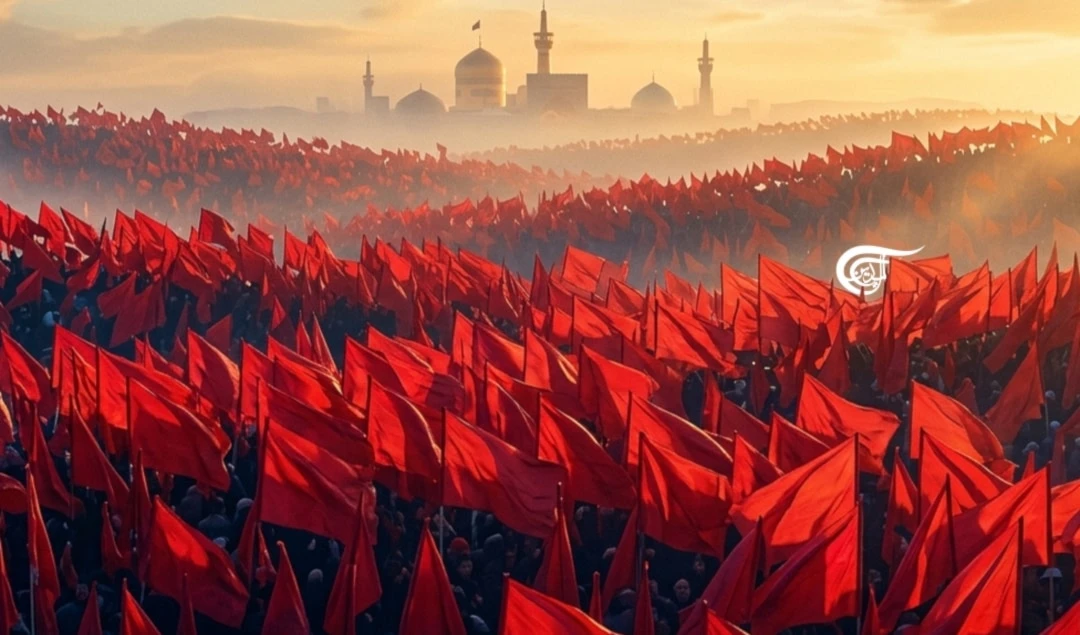

From Gaza to Beirut, many across the region believe the victims of Western intervention and war have too often been left to face their suffering alone. In their eyes, however, the peoples and governments of Iran and Yemen refused to abandon them, even when others in the Arab and Islamic worlds remained silent.
When I think of anti-imperialist figures who shaped my own political outlook, names such as Guevara, Allende, and Lumumba come immediately to mind—leaders whose lives ended violently amid geopolitical struggles. Today, I place Soleimani, Sayyed Nasrallah, and Sayyed Khamenei alongside them.
Imperialism, as I see it, never rests. It never tires, and it never disappears.
The struggle over Iran, in my view, has never been solely about changing its government. It has also been about power, resources, and geopolitical dominance—the continuation of centuries-old patterns of greed pursued by modern means, stretching from Tel Aviv to Washington, and through London, Berlin, and Paris.
And this is why I came to Tehran to bid farewell to Sayyed Ali Khamenei.
We never met. I never had the opportunity to greet him with Salam Alaikum or share a cup of tea. Yet I call him a friend because I believe we shared a common aspiration: a world free from colonial domination and wars of conquest; a world founded upon peace, dignity, mutual respect, and justice. In such a world, it would have been an honour to know him.
In the arena of resistance, I consider us brothers—not by blood, but by conviction—alongside all those who believe that history should serve the many rather than the privileged few.
Leaders may die, but ideas endure. Like a seed carried from the fruit, they take root in new generations. The sacrifices made in his lifetime will continue to shape the future long after his death.
Peace be upon you, comrade. The struggle, as your supporters believe, will continue. May your ideas endure, may your example inspire, and may those who follow you strive to realise the future you envisioned.