
Australia blocks fully AI-generated tracks from music charts
 3 Min Read
Australia's music industry is tightening chart rules for AI-generated songs after a controversial Madonna cover reached No. 4 on two ARIA charts.
-
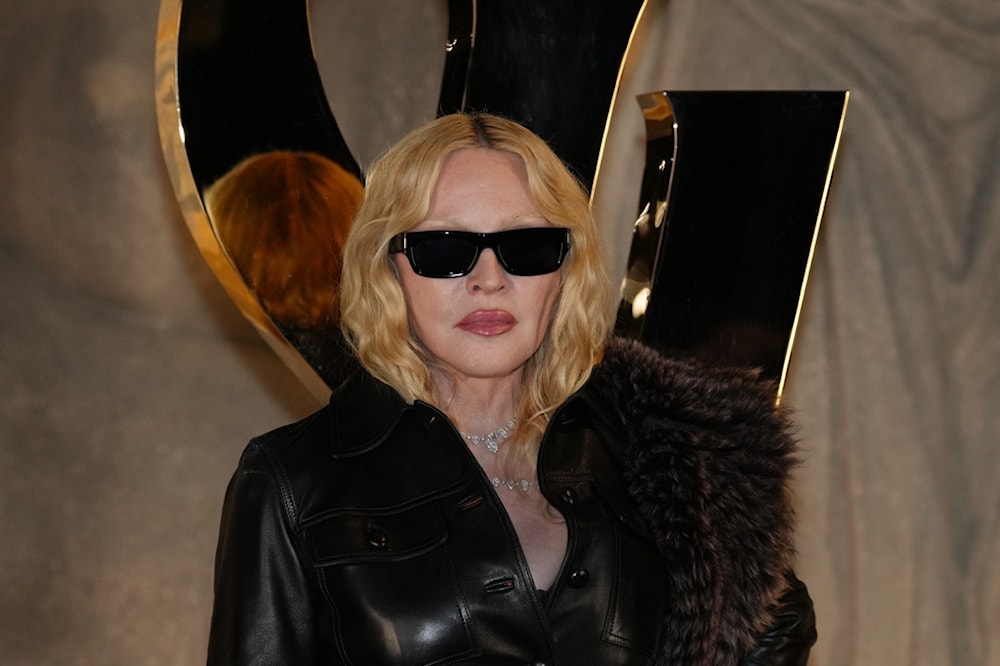
Madonna poses before the Saint Laurent Spring/Summer 2026 collection presented in Paris, on Sept. 29, 2025. (AP Photo/Aurelien Morissard, File)
Australia's music industry has moved to exclude wholly AI-generated songs from its national music charts following controversy over the use of artificial intelligence in a cover of Madonna's "Like a Prayer".
The Australian Recording Industry Association (ARIA), the country's leading music industry body, announced that fully AI-generated recordings will no longer qualify for the ARIA Charts starting this week. However, songs that use generative AI in a supporting role can remain eligible if they are considered "substantially human made".
ARIA moves against fully AI-generated tracks
ARIA said recordings created using generative AI must also raise no concerns about streaming or chart manipulation to qualify for inclusion. "The ARIA charts will always remain a transparent measurement of the music Australia consumes, but a chart that rewards unlicensed AI output would undercut the very basis of the recorded music we exist to represent," ARIA CEO Annabelle Herd said, as reported by Reuters.
The ARIA Charts track Australia's most popular songs and albums and are released every Friday through platforms including Apple Music and Spotify.
The policy change comes as the global music industry grapples with the rapid spread of AI-generated music and growing concerns that listeners can struggle to distinguish between music created by humans and content produced using artificial intelligence.
Major record labels have been pursuing licensing arrangements aimed at protecting their music catalogues as AI-generated music becomes increasingly widespread.
Madonna cover sparks AI controversy
The decision follows controversy surrounding Queensland-based DJ Josh Fawaz's cover of Madonna's 1989 hit "Like a Prayer".
Some music producers alleged that generative AI was used in the recording without initially being disclosed. The track became the most-played song on Australian radio and reached No. 4 on two ARIA charts in July.
Reuters was unable to immediately reach Fawaz for comment.
Music producer Mitch Thomas, who performs as Needs No Sleep, described Fawaz as "the biggest issue in music right now".
Fawaz responded to Thomas' criticism on Instagram in June, saying he had used AI "as a tool, it's not that deep". He added that he had been releasing music long before the emergence of AI and that his focus was to provide his listeners "good music."
Madonna's representatives at Warner Records did not immediately respond to a request for comment.
Australian artists seek stronger AI protections
The ARIA decision comes amid growing calls from musicians, songwriters and producers for governments to establish stronger protections against the unauthorized use of creative works by AI systems.
Artists have particularly criticized AI platforms such as Suno, which can generate music with limited human input and has raised questions over attribution, consent and compensation for creators.
Mark Seymour, singer-songwriter and guitarist for Australian rock band Hunters & Collectors, has argued that AI companies are using creative works without permission or payment and said the value of artists' creative investment should "never be threatened."
Australian Prime Minister Anthony Albanese said last month that his government would take steps to ensure Australian creative artists retain ownership of their work.


