
EU proposes remote work, transport subsidies to curb energy costs
 4 Min Read
The European Commission plans to recommend remote work and transport subsidies to cut fossil fuel use and ease rising energy costs amid market volatility.
-
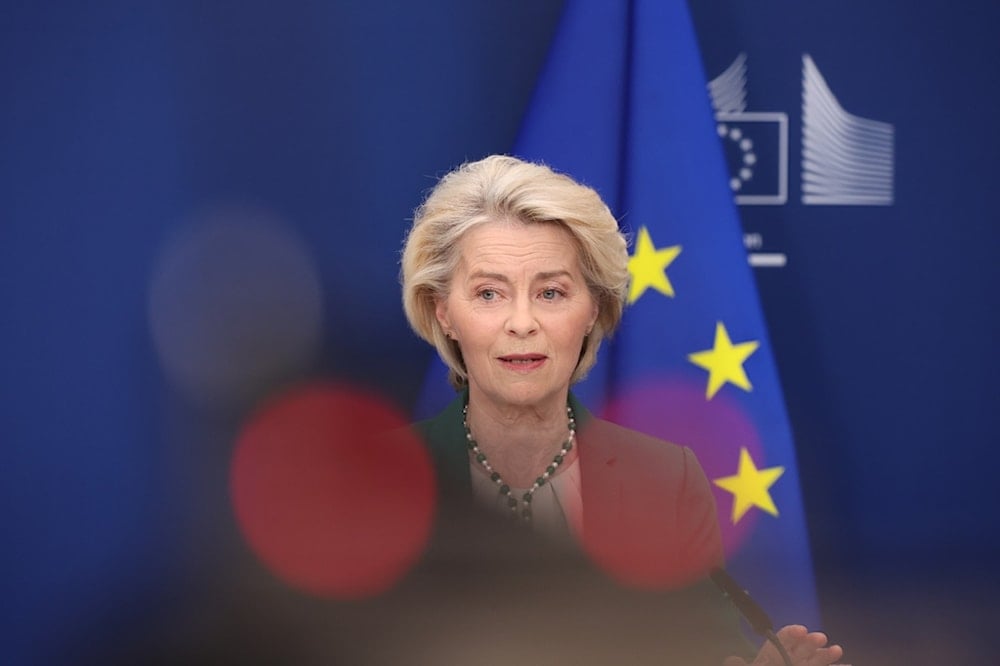
European Commission President Ursula von der Leyen speaks during a media conference at EU headquarters in Brussels, Wednesday, April 15, 2026 (AP)
The European Commission is set to recommend remote working and public transport subsidies as part of new measures aimed at reducing fossil fuel use and easing energy costs, according to a draft document.
The proposals, expected to be presented to EU member states next week, come as countries face rising energy prices linked to the war in West Asia. The measures are designed to provide “immediate relief” while accelerating the transition toward cleaner energy sources.
Under the draft plan, businesses would be encouraged to introduce at least one day of remote work per week where possible. The Commission also suggests subsidizing public transport and reducing VAT on technologies such as heat pumps, boilers, and solar panels.
The document outlines broader efforts to cut energy demand, improve efficiency, and boost electrification, though specific targets have not yet been disclosed. It also proposes “social leasing schemes” to support access to clean technologies, including heat pumps, electric vehicles, and small-scale batteries.
Nonbinding recommendations
EU officials emphasized that the measures are nonbinding recommendations rather than mandatory rules. “If we face energy shortages, it’s our responsibility to make sure citizens know what they can do to cut back usage,” one official said, adding that the Commission is not seeking to impose strict controls.
The proposals build on measures introduced during the 2022 energy crisis related to Ukraine, when the EU encouraged reduced energy consumption, including lowering heating levels.
In addition to demand-reduction steps, the Commission is preparing legislative proposals to lower energy costs. These include reforms to electricity market rules aimed at reducing grid-related expenses and a revision of tax directives to ensure electricity is taxed at lower rates than fossil fuels.
The draft also allows member states flexibility to reduce electricity taxes for energy-intensive industries and outlines plans for national price caps and income support schemes, while stopping short of introducing an EU-wide windfall tax.
The package is part of broader EU efforts to reduce dependence on fossil fuels and strengthen coordination on energy supply as the bloc navigates ongoing market volatility.
EU plans austerity measures amid energy crisis caused by war on Iran
In early April, the European Union started preparing for a possible energy supply and pricing crisis as the war on Iran threatened global oil and gas markets.
Attacks on Gulf energy infrastructure and the blockade of the Strait of Hormuz, which handles roughly 20% of the world’s oil and gas shipments, have already caused market fluctuations, European officials warned. Brussels is reportedly working on emergency measures to mitigate the impact on consumers and industry.
Experts caution that EU nations could experience a systemic fuel crisis similar to the shortages seen in 2022. Igbal Guliyev, Dean of the MGIMO Faculty of Financial Economics, highlighted that any disruption in energy supplies from the Gulf could trigger sharp price increases and strain electricity and heating availability across the continent. European households and businesses may face higher costs, prompting calls for swift policy intervention.
EU officials are reportedly drafting contingency plans to stabilize energy markets, including potential emergency rationing, increased strategic reserves, and coordination with alternative suppliers. Analysts note that these measures aim to reduce dependence on Gulf oil and gas while preventing long-term disruptions that could undermine economic stability.
Read more: Europe advances 'European NATO' contingency as US strains alliance


