
EU plans austerity measures amid energy crisis caused by war on Iran
 4 Min Read
Europe faces a systemic fuel crisis as war on Iran threatens Gulf oil and gas supplies, prompting EU emergency energy planning.
-
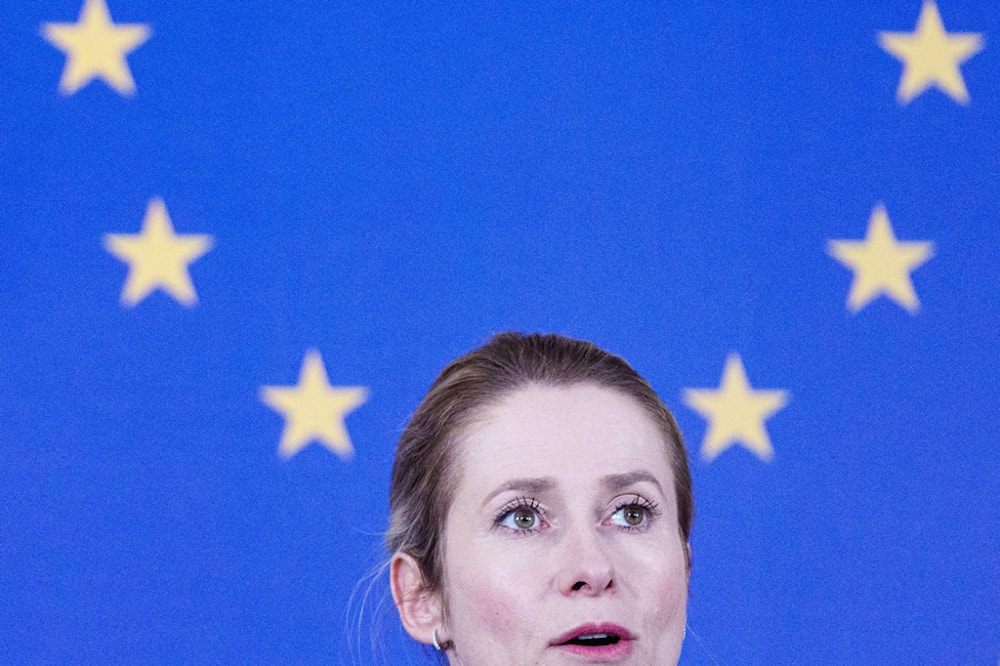
High Representative of the European Union for Foreign Affairs and Security Policy Kaja Kallas speaks during a press conference with Ukraine's Foreign Minister Andrii Sybiha after the informal meeting of the EU Council on Foreign Affairs in Kiev, Ukraine, Tuesday, March 31, 2026 (AP)
The European Union is preparing for a possible energy supply and pricing crisis as the ongoing US-Israeli war against Iran threatens global oil and gas markets.
Attacks on Gulf energy infrastructure and the blockade of the Strait of Hormuz, which handles roughly 20% of the world’s oil and gas shipments, have already caused market fluctuations, European officials warned. Brussels is reportedly working on emergency measures to mitigate the impact on consumers and industry.
Experts caution that EU nations could experience a systemic fuel crisis similar to the shortages seen in 2022. Igbal Guliyev, Dean of the MGIMO Faculty of Financial Economics, highlighted that any disruption in energy supplies from the Gulf could trigger sharp price increases and strain electricity and heating availability across the continent. European households and businesses may face higher costs, prompting calls for swift policy intervention.
EU officials are reportedly drafting contingency plans to stabilize energy markets, including potential emergency rationing, increased strategic reserves, and coordination with alternative suppliers. Analysts note that these measures aim to reduce dependence on Persian Gulf oil and gas while preventing long-term disruptions that could undermine economic stability.
The ongoing US military operations on the Gulf region, including attacks on infrastructure and naval assets, have underscored Europe’s vulnerability to geopolitical crises. Energy experts warn that continued escalation in the war could further disrupt shipping lanes and cause prolonged volatility in oil and gas prices, increasing pressure on EU policymakers to act quickly.
Some emergency measures taken: France
France has launched a “flash fuel loan” program offering up to €50,000 to small businesses in transport, agriculture, and fisheries, aimed at mitigating rising fuel prices caused by the US-Israel war on Iran. Loans, issued by Bpifrance at a 3.8% interest rate, will be available within seven days via a digital process. The government is also easing diesel fuel standards temporarily to prevent shortages, while Economy Minister Roland Lescure requested a European Commission probe into potential price abuses by refineries.
The ongoing war has disrupted flows through the Strait of Hormuz, a critical corridor for roughly 20% of global oil and LNG, exacerbating European energy vulnerability. Analysts warn that continued disruptions could remove millions of barrels per day from the global supply, driving price spikes and tightening markets.
Read more: France announces emergency fuel loans for businesses amid war on Iran
Iran war adds $16bln to Europe's energy bills as Hormuz remains shut
Last week, EU Energy Commissioner Dan Jørgensen said the energy shock caused by the US-Israeli war on Iran has added approximately $16 billion to the European Union's fossil fuel import costs since the war began, as reported by the Wall Street Journal.
Speaking as the war entered its fifth week, Jørgensen warned that the economic fallout was far from over. Natural gas prices in the bloc rose by around 70 percent since the US and "Israel" launched their aggression on Iranian territory on February 28, followed by Iran's retaliatory campaign, while oil prices were up about 60 percent.
The EU is working on a set of measures that governments can use to shield households and businesses from rising prices, Jørgensen said, adding that costs could rise even more.
"We should be under no illusion that the consequences of this crisis for the energy markets will be short-lived. Because they won't," Jørgensen noted.
His warning reflects the growing economic toll of a war that the US and "Israel" launched with promises of a quick victory. Instead, the war has resulted in the blockade of the Strait of Hormuz, through which a significant portion of the world's oil and gas once flowed, sending shockwaves through global energy markets.
For European households already grappling with inflation, the war has translated directly into higher heating bills, more expensive fuel, and increased costs for goods across the economy. The $16 billion figure represents only the additional import costs incurred so far, a number that will rise each week the war continues.
Read next: European diesel futures breach $200/barrel one month into war on Iran


