
European gas prices surge as US war on Iran threatens winter supply
 3 Min Read
European gas prices hit a four-month high as the US war on Iran disrupts Qatari LNG exports, raising fears of a costly winter shortage.
-
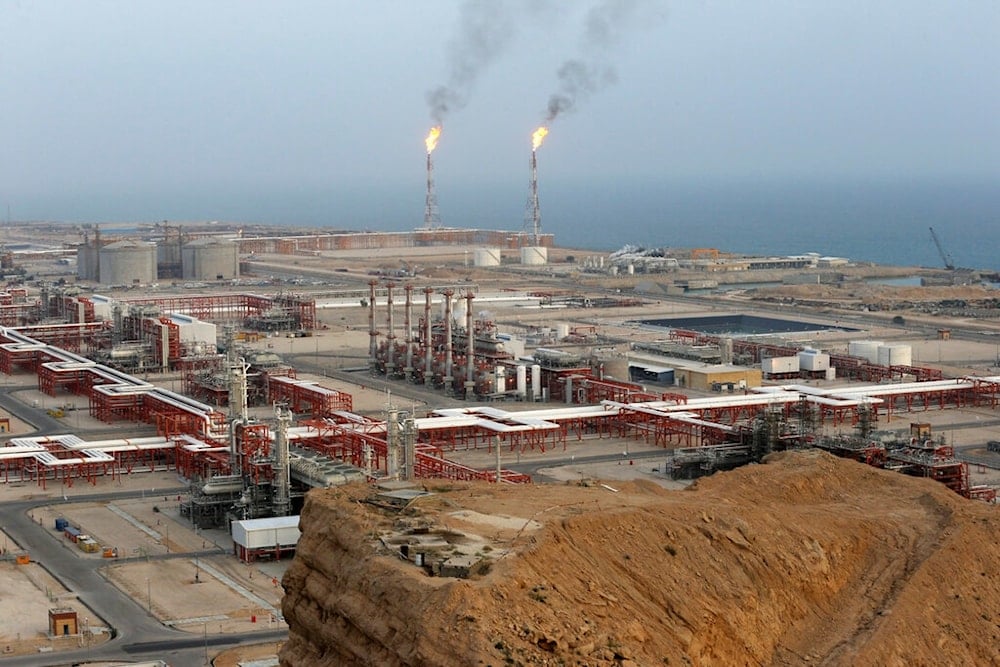
This March 16, 2019, file photo shows natural gas refineries at the South Pars gas field on the northern coast of the Gulf, in Asaluyeh, Iran (AP)
European natural gas prices reached a four-month high this week after the US dramatically escalated its aggression against Iran, prompting large-scale retaliatory strikes and raising fears over winter supply shortages across the continent.
The Dutch gas benchmark rose above $68.6 per megawatt hour on Monday, close to the level recorded when the US war on Iran began, according to The Guardian.
Prices later fell to about $65.2 per megawatt hour. Brent crude also rose, passing $90 a barrel before falling back after Western media reported that diplomatic talks between Tehran and Washington, conducted through mediators, were still allegedly taking place despite the attacks.
Storage levels below last year's total
Market research firm Independent Commodity Intelligence Services (ICIS) said European gas storage is currently under 54 percent full, compared with 64 percent at the same point last year. Analysts said the war has disrupted Qatari liquefied natural gas exports, contributing to the shortfall.
ICIS head of energy analytics Andreas Schroeder said a cold start to winter would increase the cost of reaching the EU's 80 percent storage target. He said supply security remains possible, but at a higher cost.
Since the start of the war on February 28, only 26 LNG cargoes have moved east out of the Gulf, compared with the usual 90 to 100 per month, according to ICIS figures. The firm has lowered its 2026 global LNG supply forecast from 441 million tonnes to 431 million tonnes.
Restocking costs expected to rise
ICIS estimated that European countries may need to pay around $61.8 per megawatt hour this autumn to restock supplies. That figure could rise to $68.6 if winter starts early and cold. ICIS said prices at that level could require government intervention to maintain supply security, though its current modelling still shows storage targets being met by late November.
Jess Ralston, head of energy at the Energy and Climate Intelligence Unit, told The Guardian that the price increase shows that domestic policy has little effect on gas costs. "The reality is that we are tied to international markets and the volatility that has come twice in the past few years from war thousands of miles away," she added.


