
Ghana to formalize 127 tons of artisanal gold trade
 3 Min Read
Ghana plans to route 127 tons of artisanal gold annually through official trade via GoldBod to boost foreign exchange earnings and curb smuggling losses.
-
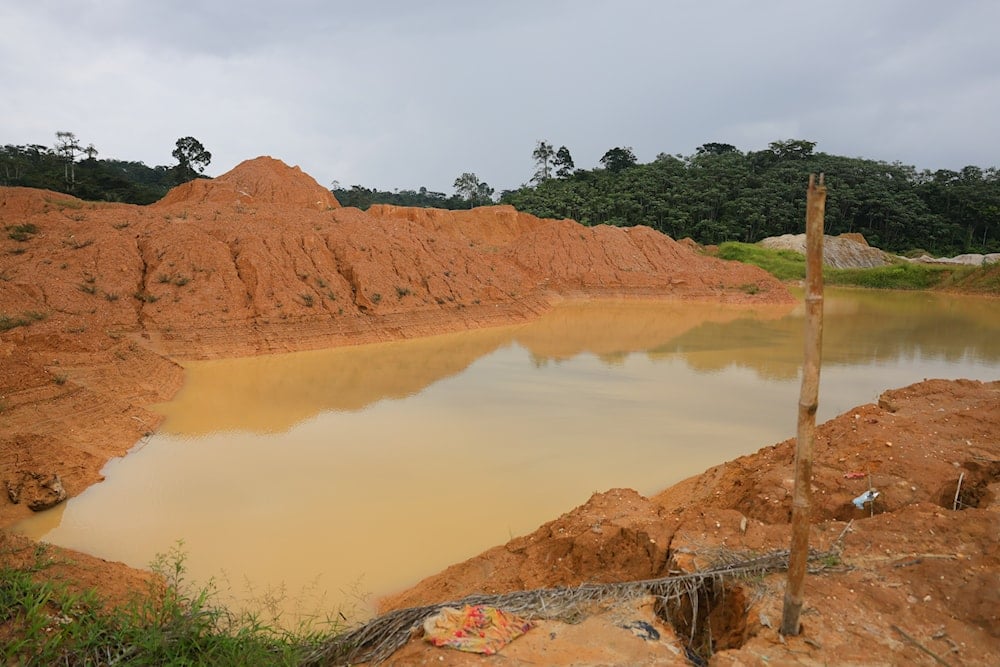
An abandoned illegal gold mining site in the Western North Region, Ghana, on September 12, 2025. (AP Photo/Tsraha Yaw)
Ghana plans to channel approximately 127 metric tons of gold per year from artisanal and small-scale mining (ASM) into official trade under revised sector reforms aimed at boosting foreign-exchange earnings and curbing smuggling, the country’s finance minister said.
The move is part of the country's broader gold reforms designed to formalize small-scale production and stem billions of dollars in revenue losses linked to illicit exports.
Finance Minister Cassiel Ato Forson told Parliament that the Ghana Gold Board (GoldBod) will be required to purchase at least 2.45 tons of ASM gold weekly. The regulator will consolidate the purchases into a formal export pipeline targeting more than $20 billion in annual inflows. The reform follows a surge in ASM output, driven by rising global gold prices and the establishment of GoldBod in 2025. National gold production reached approximately 186 tons that year.
Beginning next month, GoldBod will assume full responsibility for negotiating off-take agreements and selling all ASM gold it procured. The regulator will raise financing to hold three to four weeks’ worth of gold purchases and use derivative and hedging tools to manage price volatility.
Currently, the Bank of Ghana funds ASM gold purchases.
Measures to curb smuggling
African nations have struggled with significant gold leakage from artisanal mining, losing billions annually as undeclared gold is smuggled through porous borders into global trading hubs such as Dubai.
Ghana, Africa’s largest gold producer, forfeited an estimated $11.4 billion between 2019 and 2023 due to smuggling and underreporting, according to Swissaid. “To disincentivise smuggling, GoldBod may employ price incentives through spot world market price purchases and bonuses for licensed miners,” Forson said.
Under the new framework, the Bank of Ghana and GoldBod will sign an agreement requiring all foreign exchange generated by the program to be sold exclusively to the central bank at an agreed rate, strengthening national reserves.
Read next: Just transition: Africa nations plan coalition to stop plunder of green minerals
The reforms will extend beyond trade consolidation. Authorities plan to enhance environmental enforcement, introduce traceability systems, expand local refining capacity, and lower operating costs for miners.
At the same time, Ghana is advancing changes to the mining sector’s financial regime. Large-scale producers have warned that the proposed measures could deter investment and slow output growth. The government maintains that formalizing artisanal and small-scale mining in Ghana and strengthening oversight through GoldBod are essential to capturing more value from the country’s gold resources and stabilizing foreign exchange earnings.


