
Iran confirms Hemmati as central bank governor, sets reform goals
 4 Min Read
Government spokesperson Fatemeh Mohajerani says Abdolnaser Hemmati was confirmed as Iran’s central bank governor, outlining inflation and banking reforms.
-
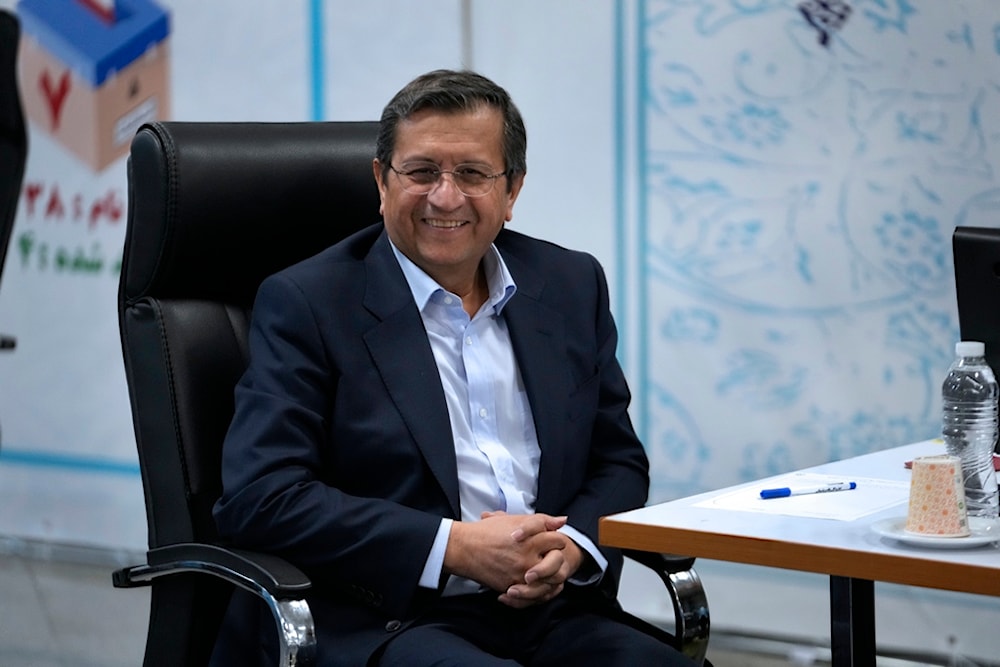
Then-Iran's Central Bank governor Abdolnasser Hemmati smiles while registering his name as a candidate for the June 28 presidential election at the Interior Ministry in Tehran, Iran, Friday, May 31, 2024 (AP)
Dr. Abdolnaser Hemmati has been formally selected as governor of the Central Bank of the Islamic Republic of Iran, following an evaluation process in which he received the highest score from banking and financial experts and secured the government’s vote of confidence, announced Iran’s government spokesperson, Fatemeh Mohajerani.
فرآیند انتخاب آقای دکتر همتی به سمت رئیس کل بانک مرکزی جمهوری اسلامی ایران با دریافت بیشترین امتیاز از سوی خبرگان حوزه بانکی صورت گرفت و با رای اعتماد دولت به ایشان نهایی شد.
— فاطمه مهاجرانی (@F_Mohajerani) December 31, 2025
ایشان سه محور را برای برنامههای خود اعلام کردند.
۱. مهار تورم
2. کنترل نرخ ارز از طریق برچیدن فساد و…
Addressing the matter in an X post, Mohajerani explained that Hemmati’s appointment was finalized after assessments by specialists in the banking sector, describing the decision as part of the government’s broader efforts to stabilize the economy and reform monetary policy.
Three priorities outlined
According to the spokesperson, Hemmati has outlined three main pillars for his agenda as central bank governor. The first focuses on curbing inflation, which remains one of the most pressing challenges facing Iran’s economy.
The second priority involves controlling the exchange rate by dismantling corruption and rent-seeking practices associated with the multi-tier foreign currency system. The third centers on addressing structural imbalances within the banking sector, including preventing the growth of excessive overdrafts and improving overall financial discipline.
Mohajerani said the new leadership at the Central Bank is expected to strengthen transparency, enhance oversight, and support economic stability amid ongoing financial pressures.
Iran pledges reform
Mohajerani said on Tuesday that authorities are taking citizens’ protests seriously, acknowledging persistent living difficulties and working to resolve the economic crisis as quickly as possible.
Speaking at her weekly press conference, Mohajerani said the demands of the Iranian people are clear and legitimate, stressing that the government is listening carefully. She added that authorities would not allow what she described as hostile actors to exploit justified public grievances.
Separately, Iran’s parliament speaker, Mohammad Bagher Ghalibaf, called for a responsible approach to public protests and livelihood-related demands, urging the government to accelerate the implementation of its duties toward the country and to support citizens in addressing their economic hardships.
Public demands morphed into unrest
Ghalibaf said attempts had been made to turn public demands into unrest, but argued that the Iranian people had demonstrated awareness, vigilance, and a commitment to national security. He added that citizens recognize hostile agendas and prevent them through public awareness.
He also emphasized the need for urgent economic reforms to protect citizens’ purchasing power and safeguard the authority of the Central Bank of Iran.
The officials’ remarks followed demonstrations in several Iranian cities over recent days, sparked by worsening economic conditions, rising living costs, and a sharp increase in the exchange rate of the US dollar, mainly due to draconian US sanctions. Amid the protests, Mohammad Reza Farzin resigned as head of the central bank on Monday.
Iran determined to reduce regional tensions
In a different context, Iranian government spokesperson Fatemeh Mohajerani affirmed that “Iran is determined to reduce regional tensions, but on its own terms.”
Speaking on the sidelines of the weekly cabinet meeting, Mohajerani stressed that “Iran did not initiate any attack, but is fully prepared to defend itself and respond to any aggression.”
She explained that “Iran has always been ready for negotiations, and the Foreign Ministry continues its diplomatic efforts.”
“I neither confirm nor deny the existence of talks in Iraq with the American side, and we appreciate Iraq’s efforts to reduce regional tensions," she added.
This comes as Iranian President Masoud Pezeshkian posted on X yesterday that “Iran’s response to any tyrannical aggression will be harsh and will make enemies regret it.”
Pezeshkian’s remarks came after statements by US President Donald Trump during his meeting with Israeli Prime Minister Benjamin Netanyahu, in which Trump threatened to strike Iranian nuclear sites again if Tehran were to rebuild them.


