
Modi calls for lower fuel consumption as oil shock hits India
 4 Min Read
Indian PM Narendra Modi urges Indians to reduce fuel use, overseas travel, and gold purchases as soaring oil prices due to the war on Iran pressure India’s economy.
-
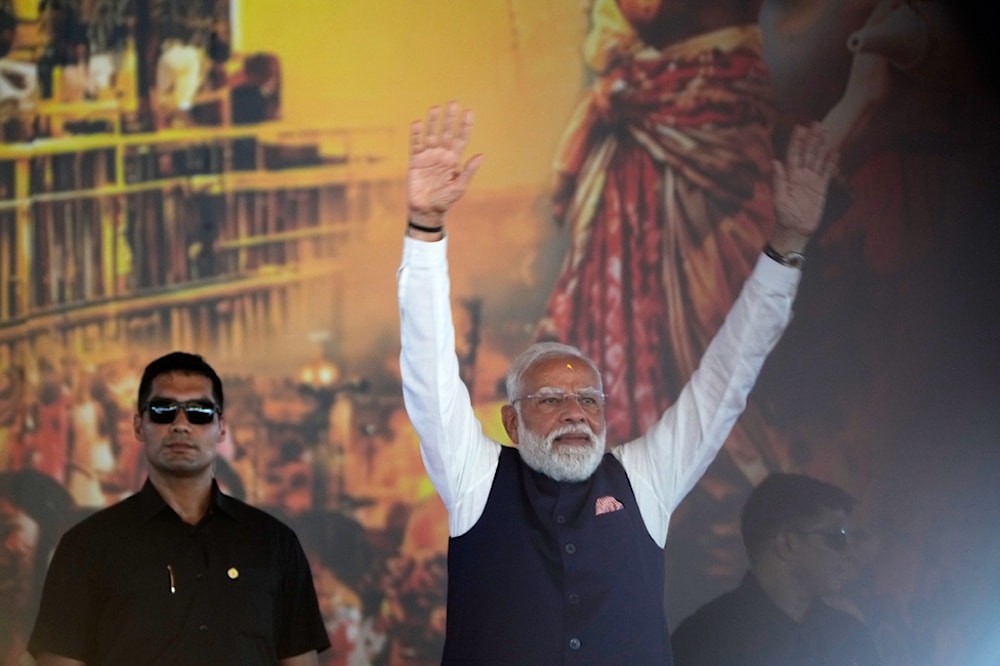
Indian Prime Minister Narendra Modi waves to the supporters of Bharatiya Janata Party as he arrives to attend the oath taking ceremony for the newly formed government of West Bengal state in Kolkata, India, Saturday, May 9, 2026. (AP Photo/Bikas Das)
Indian Prime Minister Narendra Modi urged citizens to reduce fuel consumption, limit overseas travel, and pause gold purchases as the economic fallout from the war on Iran continues to intensify across India’s economy and financial markets.
Speaking during a public address in the southern city of Hyderabad on Sunday, Modi warned that soaring global energy prices caused by escalating tensions in West Asia were placing mounting pressure on India, which remains heavily dependent on imported fuel.
He encouraged Indians to use public transportation, work from home where possible, and carpool in an effort to conserve fuel and reduce energy demand.
Growing energy vulnerability
India has become one of several Asian countries encouraging lower fuel consumption as oil and gas prices rise amid fears of wider regional instability linked to the US and Israeli war on Iran.
India imports nearly 85% of its fuel needs and relies on the Strait of Hormuz for approximately 50% of its crude oil imports, 60% of its liquefied natural gas imports, and nearly all of its liquefied petroleum gas supplies.
Economists have warned that prolonged increases in energy prices could significantly widen India’s trade deficit and current account deficit. The Indian rupee has also come under strain and is trading near record lows against the US dollar.
Modi said reducing overseas travel and limiting gold imports would help preserve foreign currency reserves as rising oil prices continue to increase pressure on India’s import bill.
Mounting economic concerns
Financial markets responded sharply to the growing concerns over the economic impact of the war.
Shares of Titan Company, the Tata Group-owned jewelry retailer, fell nearly 6% in early trading on Monday, while several Indian jewelry companies declined by as much as 10%.
Shares of IndiGo also dropped 2.8% amid concerns over higher aviation fuel costs and weaker international travel demand. The airline is currently expanding its international operations and expects overseas flights to account for 40% of its daily services by 2030, according to local media reports.
India spent approximately $174.9 billion on crude oil and petroleum imports during the financial year ending March 2026, accounting for nearly 22% of total imports and underscoring the economy’s dependence on overseas energy supplies.
The country is also the world’s second-largest gold importer after China, spending nearly $72 billion on gold imports during the same financial year.
Official figures further showed that around 32.7 million Indians traveled abroad in 2025, including more than 14 million leisure travelers, highlighting the scale of outbound tourism and its impact on foreign currency outflows.
Analysts warn of long-term economic risks
Global financial institutions have increasingly warned that the war on Iran could slow India’s economic growth.
Earlier this month, UBS Securities described the war as a “historically large energy shock with asymmetric macro risks” and lowered its forecast for India’s economic growth in the financial year ending March 2027 to 6.2%, down from an earlier estimate of 6.7%.
Nirupama Rao, India’s former ambassador to the US, China, and Sri Lanka, said the country faces “difficult times ahead” unless a political resolution is reached to end the crisis in West Asia. Speaking to CNBC’s Inside India on Monday, Rao said she did not believe an immediate economic shock was imminent but warned that prolonged instability would continue to weigh heavily on the Indian economy.
Despite mounting economic pressures, the Indian government has kept retail fuel prices stable by cutting taxes to ease the burden on oil companies rather than passing higher costs directly onto consumers. With pump prices remaining stable, domestic fuel demand has remained largely unaffected.
Analysts had expected Modi’s government to introduce tougher economic measures after the ruling Bharatiya Janata Party secured victories in several recent state elections, though no major policy changes have yet been announced.
In March, India’s Chief Economic Advisor V. Anantha Nageswaran warned that the country’s trade deficit would “rise significantly” during the financial year ending March 2027, adding that managing the growing burden would require “burden-sharing between the government, via fiscal absorption, and households and businesses.”
Read more: India, 'Israel' expand defense, trade cooperation


