
OPEC+ approves July output increase amid market stability efforts
 4 Min Read
Seven OPEC+ member states agreed to raise oil production by 188,000 barrels per day in July.
-
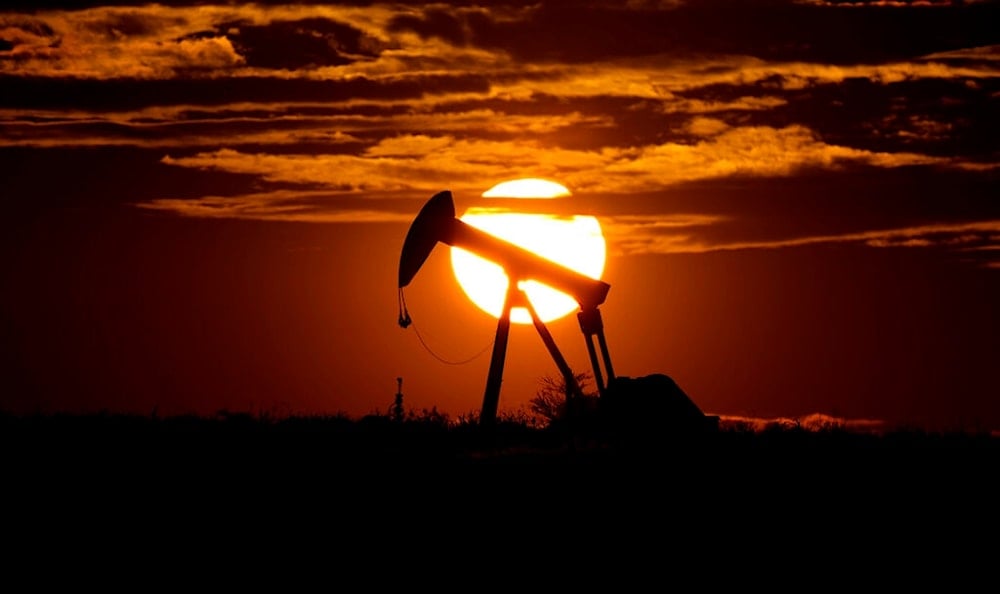
The sun sets behind an idle pump jack near Karnes City, USA, April 8, 2020. Oil prices are sagging amid fears of recessions across the globe (AP)
Several key OPEC+ producers have agreed to raise oil production next month as the alliance presses ahead with a gradual rollback of voluntary supply cuts while seeking to maintain stability in global energy markets, Anadolu Agency reported.
The decision was reached during a virtual meeting on Sunday involving Saudi Arabia, Russia, Iraq, Kuwait, Kazakhstan, Algeria, and Oman, which reviewed current market conditions and the outlook for oil demand and supply.
Following the discussions, the participating countries announced that they would increase production by 188,000 barrels per day in July through a partial reversal of the additional voluntary cuts first introduced in April 2023.
The move marks the latest step in an ongoing effort by the group to restore some of the 1.65 million barrels per day in voluntary reductions implemented more than three years ago. It also represents the fourth consecutive monthly increase under the alliance's current strategy of gradually returning previously withheld supply to the market.
Market share and long-term strategy
Beyond supporting market stability, analysts have linked the policy to broader efforts by major producers, particularly Saudi Arabia and Russia, to defend their share of global oil markets amid growing competition from non-OPEC producers.
The gradual increase in output comes as OPEC+ seeks to balance relatively strong global demand with concerns that prolonged supply restraints could encourage competing producers to expand production and capture additional customers.
The decision also serves as a signal that the alliance intends to continue implementing its long-term supply strategy despite ongoing geopolitical tensions and uncertainty surrounding global trade and economic growth.
Supply disruptions remain a challenge
The announcement comes as energy markets continue to grapple with major disruptions linked to the closure of the Strait of Hormuz following the US-Israeli war on Iran.
While OPEC+ has continued raising production quotas, analysts note that actual increases in exports may remain limited as shipping constraints continue to affect the movement of crude oil through one of the world's most important energy corridors.
As a result, the latest production increase is being viewed by some observers as a demonstration of confidence in the market's long-term outlook rather than a measure that will immediately translate into significantly higher global oil supplies.
Flexibility remains central
The group indicated that future production decisions will remain dependent on market developments and stressed that it retains the ability to adjust its strategy if necessary.
According to the statement, the voluntary reductions introduced in April 2023 "may be returned in part or in full subject to evolving market conditions and in a gradual manner."
OPEC further stressed that member states remain committed to preserving market stability while maintaining flexibility regarding future output decisions.
"The countries will continue to closely monitor and assess market conditions, and in their continuous efforts to support market stability, they reaffirmed the importance of adopting a cautious approach and retaining full flexibility to increase, pause or reverse the phase out of the voluntary production adjustments, including reversing the previously implemented voluntary adjustments announced in November 2023," OPEC said.
The producers are scheduled to hold their next meeting on July 5, when they will reassess market conditions and determine whether further adjustments to production levels are warranted.
Read more: Trump backs UAE OPEC exit, discusses Iran with Putin


