
Precious metals stage dramatic recovery after historic crash
 4 Min Read
Gold rises 6% to $4,989, silver jumps 15% to $86 after their steepest decline in decades. Analysts say fundamentals remain strong despite volatility.
-
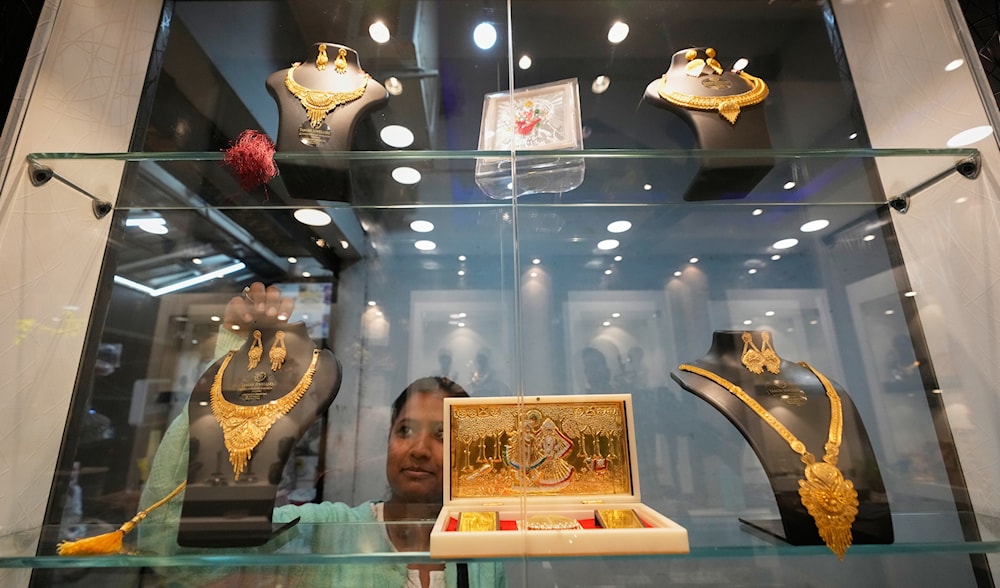
A woman checks a gold neckless in a jewellery shop in Guwahati, India, Tuesday, Feb. 3, 2026. (AP Photo/Anupam Nath)
Precious metals markets rebounded sharply on Tuesday, with gold climbing more than 6% to $4,989.20 per ounce and silver surging over 15% to $86, offering relief after one of the most volatile periods in modern trading history.
The recovery marks a significant turnaround following a catastrophic collapse that wiped out billions in value days earlier.
Trading platform IG analyst Axel Rudolph noted to AFP that gold was "heading for its biggest daily gain since 2008, as prices rebounded sharply following the steepest two-day decline in decades."
The rally suggests investors are treating last week's selloff as a buying opportunity rather than a fundamental market shift.
From record highs to steep losses
The turbulence began after precious metals reached unprecedented prices in late January. Gold touched nearly $5,600 per ounce while silver approached $120, both records driven by Federal Reserve rate cut expectations, dollar weakness, and geopolitical tensions. Markets had priced in approximately 150 basis points of cuts throughout 2026, making non-yielding assets increasingly attractive compared to bonds.
Central bank buying continued at elevated levels, with foreign holdings of US Treasuries falling to 2013 lows as institutions diversified into gold. China extended its gold-buying streak to fourteen consecutive months through December 2025, reflecting broader de-dollarization trends among emerging market central banks.
President Trump's January 30 nomination of Kevin Warsh as the next Federal Reserve Chair triggered a dramatic reversal. Warsh, perceived as more hawkish than expected, prompted investors to reprice interest rate forecasts. The announcement sparked gold's worst two-day decline since 1980 and sent silver plummeting 30-36% in a single session.
Exchange mechanics amplified decline
The CME Group's decision to raise margin requirements intensified the selloff. Gold margins increased from 6% to 8% of contract value, while silver jumped from 11% to 15%.
These higher collateral requirements forced traders to post additional capital, triggering cascading liquidations as participants unable to meet margin calls were forced out of positions.
Silver's smaller market size and higher retail participation made it particularly vulnerable, with some reports showing intraday losses approaching 60%.
Fundamentals remain intact
Analysts maintain that structural drivers supporting precious metals remain unchanged. Deutsche Bank's Michael Hsueh emphasized that "the recent fall did not indicate long-term weakness," maintaining his year-end gold target of $6,000 per ounce. He attributed the decline to volatility rather than lost investor confidence.
CPM Group Managing Director Jeffrey Christian noted that while prices might remain weak in the short term, concerns around inflation, the strong dollar, and economic risks would continue supporting demand. He emphasized that industrial demand for silver would stay strong and could keep prices elevated through 2026, particularly given supply deficits.
Richard Hunter, head of markets at Interactive Investor, told AFP that "a sense of calm descended after the precious metal ructions, opening the door for investors to buy on the dip." Central bank gold purchases continue at elevated levels, while industrial silver demand for solar panels, electric vehicles, and AI infrastructure shows no signs of slowing.
Broader market struggles
Stock markets struggled alongside the precious metals recovery. The Nasdaq Composite declined more than 1% in afternoon trading as technology shares faced pressure, with Nvidia sliding 2.8%. European markets also struggled, with Frankfurt and London ending lower while Paris finished flat.
The dollar mostly dipped against major currencies, continuing a trend that initially supported precious metals. Some analysts think that markets could experience further correction, but technical indicators suggest the turbulent phase is temporary, highlighting the distinction between short-term positioning and long-term value drivers in precious metals markets.


