
QatarEnergy extends force majeure on LNG supplies to Edison
 2 Min Read
QatarEnergy extended force majeure on LNG supplies to Edison, affecting 17 cargoes and raising concerns over gas deliveries to Europe.
-
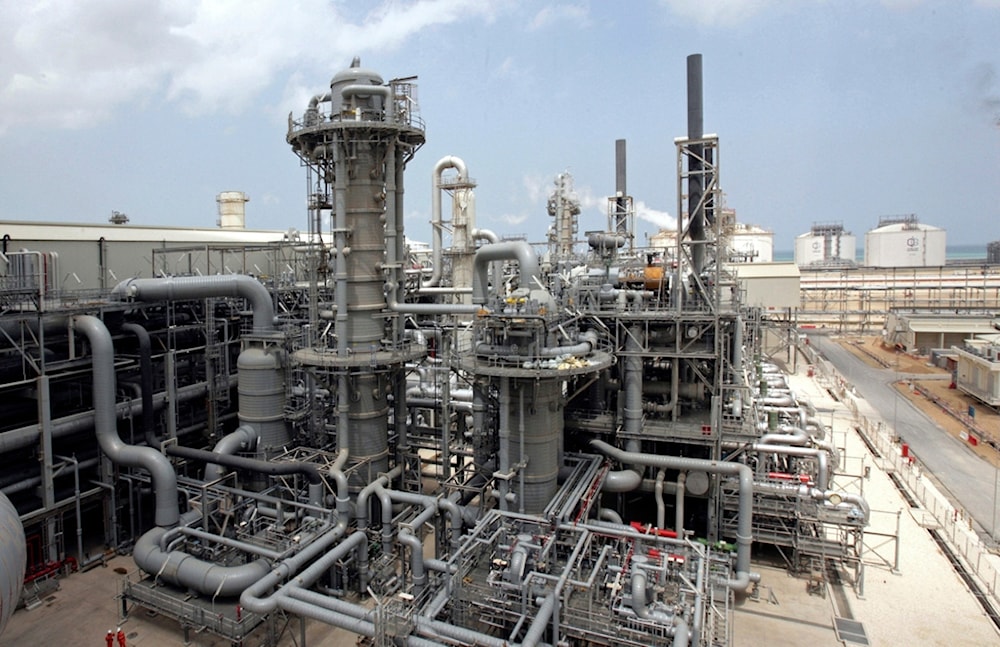
FILE - This April 4, 2009, file photo, shows a gas production facility at Ras Laffan, Qatar. (AP Photos/Maneesh Bakshi, File)
Italian energy company Edison said on Monday that it has received a further extension of the force majeure notice from QatarEnergy covering additional liquefied natural gas (LNG) supplies.
According to the company, the extension affects five additional LNG cargoes scheduled for delivery to the Adriatic LNG terminal between July and mid-August 2026.
Edison added that a total of 17 LNG cargoes are now subject to force majeure, representing approximately 2.2 billion cubic meters of gas.
The company said it has been working to replace volumes and maintain delivery schedules since receiving the first notice from QatarEnergy in early March.
As of May 25, Edison had replaced nine of the 17 affected cargoes, totaling 1 billion cubic meters. According to the company, the last gas deliveries from Qatar were made at the end of March.
Edison also said it received a total of 1.6 billion cubic meters of natural gas during the first quarter of this year.
Export capacity cut and long-term losses expected
QatarEnergy previously said missile strikes targeted its Ras Laffan industrial complex on March 18 and 19, causing significant damage to critical facilities.
The attacks impacted two LNG processing units, as well as a gas-to-liquids facility, prompting the company to assess the full extent of operational disruptions and the timeline required for repairs.
On March 19, Energy Minister and QatarEnergy CEO Saad al-Kaabi said the strikes reduced Qatar’s LNG export capacity by 17% and could result in an estimated $20 billion in annual revenue losses.
He warned that repairs could take up to five years, forcing the company to declare a “prolonged force majeure.”
The strikes allegedly damaged production lines known as trains 4 and 6, which together have a capacity of 12.8 million tons per year, equivalent to 17% of Qatar’s total LNG exports.
Read more: Iran strikes cost Big Oil billions as Gulf energy sites hit


