
Signaling tiered system, Greer says US tariff rates will exceed 10%
 4 Min Read
The US trade representative confirms that the current 10% import tariff will climb higher for a range of trading partners.
-
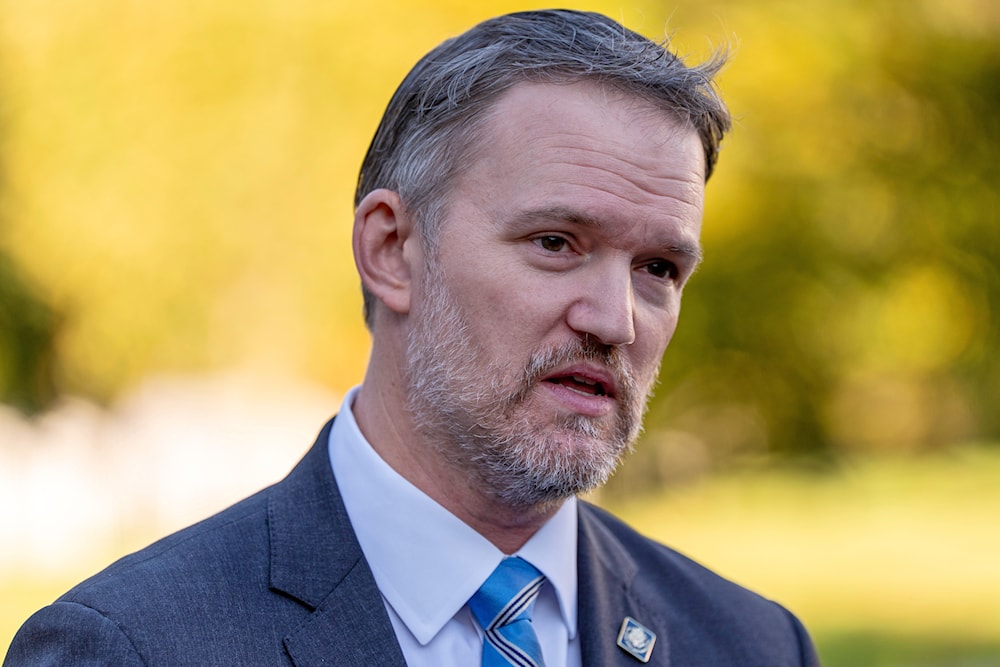
US Trade Representative Jamieson Greer speaks with reporters at the White House, Oct 30, 2025, in Washington (AP)
US Trade Representative Jamieson Greer confirmed that the 10% tariff introduced under Section 122 of the 1974 Trade Act, which came into force on February 24 following the Supreme Court's invalidation of Trump's earlier emergency tariffs, will not remain the ceiling for long.
Speaking on Fox Business Network and Bloomberg TV on Wednesday, Greer said, "It'll go up to 15% for some, and then it may go higher for others," without naming specific trading partners. He added that the White House is preparing a formal proclamation to implement the increases "where appropriate," and that countries with existing trade deals would be "accommodated", though he provided no further specifics.
Section 122 caps temporary tariffs at 15% for a 150-day period, meaning Wednesday's signals bring the administration to the very limit of its current statutory authority for at least some nations. The backdrop to this is a trade environment already rattled by legal uncertainty.
After the Supreme Court struck down Trump's use of emergency economic powers under IEEPA in a 6–3 ruling, the administration pivoted swiftly to Section 122, signing a new executive order within hours of the judgment.
China spared further escalation, for now
Notably, Greer drew a clear line around China. Asked whether the administration was prepared to impose steep new duties that could upend the existing trade truce, he clarified that they "don't intend to escalate" beyond current rates. "We intend to really stick to the deal that we have with them," he added.
Trump is also reportedly planning to visit China in the coming weeks, lending diplomatic weight to the restraint. The carve-out is significant given that both Greer and Treasury Secretary Scott Bessent have pressed Beijing repeatedly on excess industrial capacity, a structural issue Greer acknowledged is unlikely to be fully resolved.
"That's part of why we need to have tariffs on China and Vietnam and other countries that have this problem," he said, signaling that targeted pressure will continue through other mechanisms rather than blanket rate hikes.
Section 301 as the new legal centerpiece
With the Supreme Court having curtailed the administration's emergency powers, Greer clarified that Section 301 of the 1974 Trade Act will serve as the primary legal vehicle going forward.
The administration plans to launch country-specific investigations targeting practices including excess industrial capacity, forced labor in supply chains, discrimination against US technology firms, and subsidies on goods such as rice and seafood.
Greer also framed Section 301 as an enforcement tool for deals already reached. He cited Indonesia, which agreed to accept a 19% US tariff and open its markets to American goods, as a test case. USTR will open a Section 301 probe into Indonesian trade practices, benchmarking its findings against Jakarta's commitments under the agreement to determine what tariff level ultimately applies.
Section 232 national security tariffs remain a secondary but parallel track, with Greer pointing to both statutes' track record of surviving legal challenges. He also flagged Section 338 of the 1930 Tariff Act, which allows duties of up to 50% on countries that discriminate against US trade, as a potential tool in specific circumstances, though not the primary focus.
Legal durability a core concern
Greer was candid about the litigation risks ahead. "Any time we put on a tariff, we're going to have foreign interests who want to bring it down. So people are going to sue us," he said, underscoring why the administration is prioritizing legal frameworks with established precedent over the emergency authorities the Supreme Court just clipped.
With the 150-day Section 122 clock running and rate increases now formally signaled, trading partners, many of whom are already weighing retaliation, will be closely watching which countries land in the higher tariff tiers and whether Congress moves to extend or formalize the measures before the temporary authority expires.


