
Trump admin. set to release 53.3mln oil barrels from reserves
 3 Min Read
Oil prices have edged higher on Tuesday, extending gains for a second session.
-
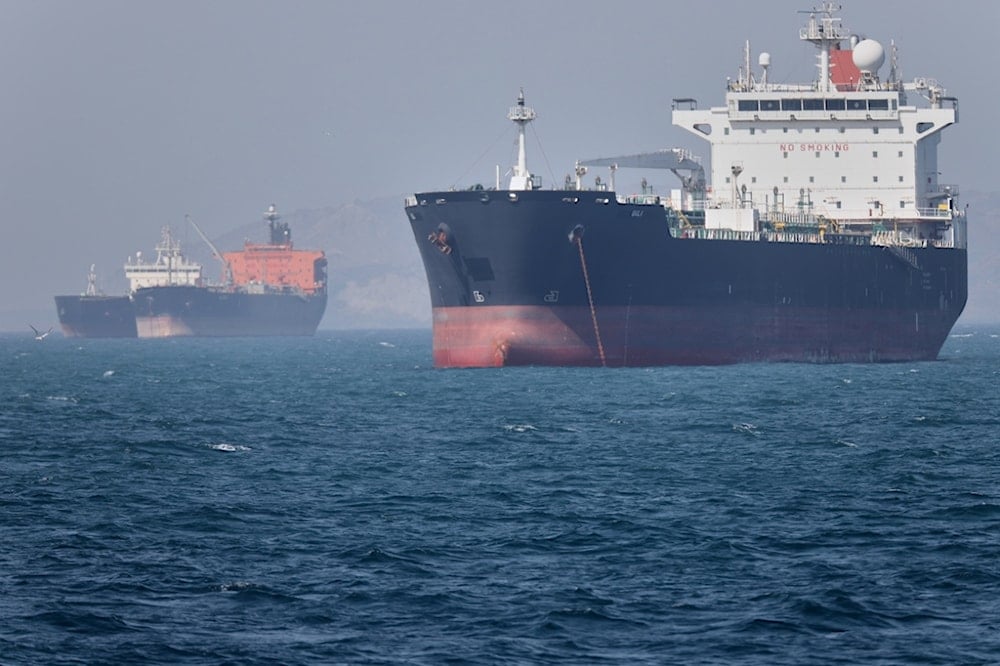
Oil tankers sit at anchor offshore in the Strait of Hormuz off Bandar Abbas, Iran, Saturday, May 2, 2026 (ISNA via AP)
To ease market concerns, the Trump administration announced Monday it would release 53.3 million barrels of crude oil from the US Strategic Petroleum Reserve through loans to refiners and suppliers, Bloomberg reported, as concerns over global supply disruptions and rising oil prices continued to weigh on sentiment.
The move came as oil prices extended gains for a second consecutive session, driven by uncertainty surrounding US–Iran tensions and fears of potential disruptions to key shipping routes and crude flows.
Brent crude futures rose 0.29% to $104.51 a barrel, while US West Texas Intermediate gained 0.32% to $98.38 by 0002 GMT. Both benchmarks had already climbed nearly 2.8% in the previous trading session.
Ceasefire talks with Iran are ‘on life support’
US President Donald Trump said on Monday that ceasefire efforts with Iran were “on life support,” citing disagreements over major unresolved issues, including the lifting of a US naval blockade, the resumption of Iranian oil exports, and compensation for war-related damage.
The comments added further pressure to already fragile market sentiment, with traders closely watching diplomatic developments that could affect global energy supplies.
Companies war against supply risks, price volatility
Market analysts said oil prices remain highly sensitive to geopolitical risks, particularly around the Strait of Hormuz, a critical chokepoint for global crude shipments.
Morgan Stanley described the situation as “a race against time,” warning that a prolonged closure of the Strait could significantly tighten global supply. The bank noted that despite disruptions affecting large volumes of oil, prices remain below the peaks seen in 2022 following Russia’s invasion of Ukraine.
It also pointed to rising US crude exports and softer Chinese demand as key factors that have so far prevented a sharper price surge, though it warned that these buffers could weaken if disruptions persist.
Haitong Futures said markets remain nervous, cautioning that the ceasefire may prove temporary and that stalled negotiations could trigger renewed escalation.
Nuvama Institutional Equities estimated that a prolonged shutdown of the Strait of Hormuz could disrupt nearly 20 million barrels per day of crude flows, potentially pushing oil prices to between $110 and $150 per barrel.
Saudi Aramco CEO Amin Nasser also warned that instability in the region could delay a return to stable oil market conditions until 2027, with disruptions potentially affecting around 100 million barrels of oil supply per week.
Despite these risks, analysts say markets are still pricing in the likelihood that key shipping routes will remain open, helping to prevent a deeper supply shock for now.
Read more: Oil rises as US-Iran talks stall amid Hormuz tensions


