
Trump threatens gas stations over high pump prices as crude falls
 4 Min Read
Trump threatens gasoline retailers with "big problems" if they fail to lower pump prices.
-
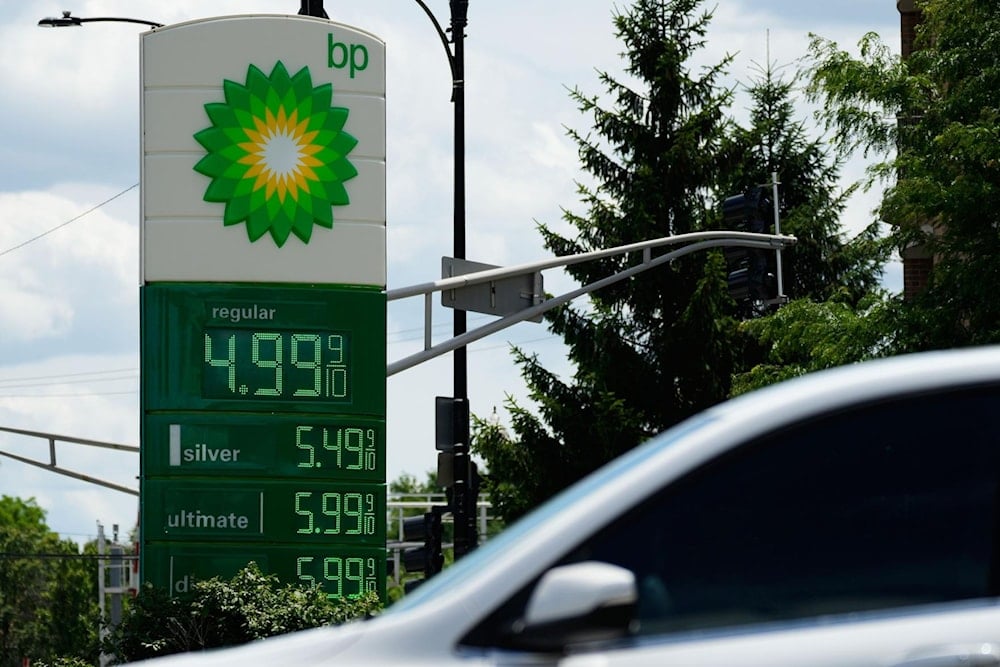
Gas prices are seen at a gas station in Park Ridge, Ill., Thursday, June 25, 2026 (AP)
US President Donald Trump intensified pressure on gasoline retailers Monday, demanding an immediate drop in pump prices and warning of consequences if fuel sellers fail to pass lower crude oil costs on to motorists.
In a post on Truth Social, Trump argued that gasoline prices remained unjustifiably high despite crude oil falling to around $68 a barrel, accusing retailers of keeping prices elevated at the expense of American consumers.
"Gasoline Retailers must get their Prices down, IMMEDIATELY!" Trump wrote.
"They're too high considering that Oil is now at $68 a Barrel, and heading south. The Retailers must quickly react to this statement, and do what they know is right — DROP YOUR PRICE FOR OUR GREAT AMERICAN PEOPLE!"
Trump warns of ‘big problems’
The president accused fuel retailers of failing to adjust prices quickly enough after oil markets eased, framing the issue as a matter of consumer protection rather than market lag.
"There will be no gauging [sic], which is totally illegal. If Retailers don't do this, big problems lie ahead!" he wrote.
Trump also urged gas stations to begin aiming for a much lower price point, saying retailers should "start targeting around the $2.50 a Gallon number," before turning his criticism toward California.
"And California should stop charging such heavy Taxes on their Gasoline. Soon the Tax will be higher than the Product itself, and the United States will not stand for it, nor will the People of California, who are being abused by these ridiculous Taxes, and by their own Government," Trump wrote.
The remarks marked Trump’s latest attempt to publicly pressure the energy sector as his administration seeks to show that lower oil prices are translating into relief for households.
DOJ probe targets oil companies
Trump’s comments followed his announcement last week that he had directed the Department of Justice to investigate whether major oil companies were keeping gasoline prices artificially high even as crude prices declined.
The president has repeatedly accused the industry of price gouging, arguing that pump prices should fall much faster when crude oil retreats.
Gasoline prices, however, do not always move in direct alignment with crude prices. Retailers may still be selling fuel purchased when oil was more expensive, while refining margins, transportation costs, inventories, seasonal demand, state taxes, and distribution expenses all affect the final price paid by drivers.
Oil shock eases
The renewed pressure comes after months of volatility in global energy markets triggered by the US-Israeli war on Iran, which began in February and sent oil prices sharply higher.
Crude prices surged after Washington and "Israel" carried out strikes on Iran, prompting Tehran to retaliate against Israeli targets and American military bases stationed in Gulf states. The escalation raised fears of a wider regional war and deepened concerns over the Strait of Hormuz, through which roughly a fifth of global oil flows.
Iran’s closure of the strategic waterway added further pressure to energy markets, pushing crude above $100 a barrel at several points since the outbreak of the war.
But oil prices have since retreated to around $70 a barrel following diplomatic contacts between Washington and Tehran and the extension of a fragile ceasefire, easing fears of a broader disruption to global supply.
Fuel prices remain politically sensitive
Despite the fall in crude, gasoline prices remain high for many Americans. As of Monday, the national average stood at about $3.86 per gallon, after reaching roughly $4.50 in recent months.
Trump’s intervention reflects mounting political concern over the cost of living as consumers continue to complain about fuel expenses and Republicans seek to defend their narrow congressional majorities in the November midterm elections.
By targeting retailers, oil companies, and California’s fuel taxes, Trump is attempting to shift blame for elevated prices while presenting his administration as acting directly on household costs.
The president has made clear that he expects lower crude prices to appear quickly at gas stations, even as industry analysts argue that pump prices often lag behind changes in oil markets.
Read more: IMF says war shock easing, but trade recovery will take time


