
US-Israeli war on Iran pushes European gas prices above €50
 2 Min Read
European gas prices climbed above €50 per megawatt-hour as continued tensions in West Asia raised concerns over supply disruptions and intensified competition between Asian and European buyers.
-
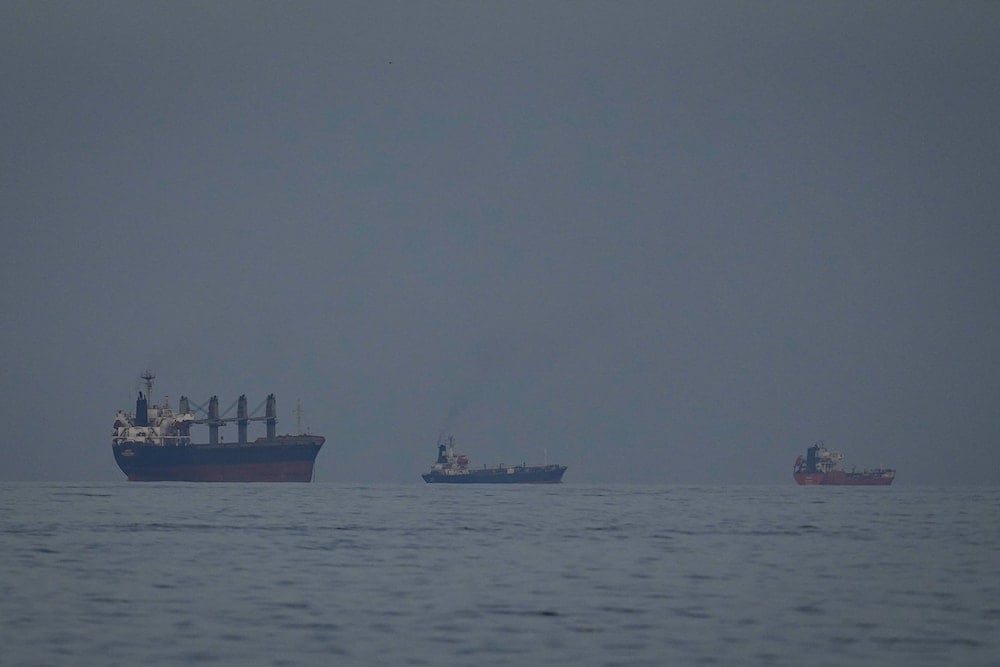
Oil tankers and ships line up in the Strait of Hormuz as seen from Khor Fakkan, United Arab Emirates, Wednesday, March 11, 2026 (AP)
European gas prices extended their gains as the ongoing aggression against Iran continues to unsettle global energy markets, fueling fears of supply disruptions from the Gulf region.
At the start of trading, the benchmark Dutch front-month TTF gas contract rose 2.4% to €51.36 per megawatt-hour, reflecting growing volatility across European energy markets.
Analysts at ING Bank said, "We have repeatedly stressed that the gas market is not pricing in the full impact of the Gulf crisis on supplies," warning that continued instability could further disrupt global liquefied natural gas flows and increase pressure on international markets.
They also added that "Asian buyers will need to enter the spot market to replace contracted shipments disrupted from the Gulf, increasing competition between Asian and European buyers."
Meanwhile, EU gas storage facilities are currently 36% full, significantly below the five-year average of 50%, raising additional concerns over the region’s preparedness for potential supply disruptions.
With traders closely monitoring developments in West Asia and European gas reserves remaining below seasonal averages, concerns are mounting over increased competition for LNG shipments and the potential for further price volatility across Europe.
From Gulf to the US
Meanwhile, after drone strikes targeting critical infrastructure in the Gulf and signs that diplomatic efforts had stalled, Brent crude futures rose $1.44, or 1.32%, to $110.70 per barrel by 2337 GMT after reaching their highest level since May 5 earlier in the session.
US West Texas Intermediate crude climbed $1.84, or 1.75%, to $107.26 a barrel after hitting its strongest level since May 4. Both benchmarks gained more than 7% last week amid consistent US threats of reigniting the war against Iran.
In the US, American consumers have additionally spent more than $40 billion since the war on Iran erupted, according to new research from Brown University Watson Institute for International and Public Affairs cited by the Financial Times.
The report estimates that higher gasoline and diesel costs have added roughly $41.5 billion in expenses for US households as of Sunday, averaging about $316 per household nationwide.
Read more: Iran coordinating with Oman on Strait of Hormuz: Baghaei


