
US war on Iran adds €100bln to Europe's fuel bill
 3 Min Read
The bill surge has prompted officials to prepare for high winter energy prices and a possible diesel supply squeeze.
-
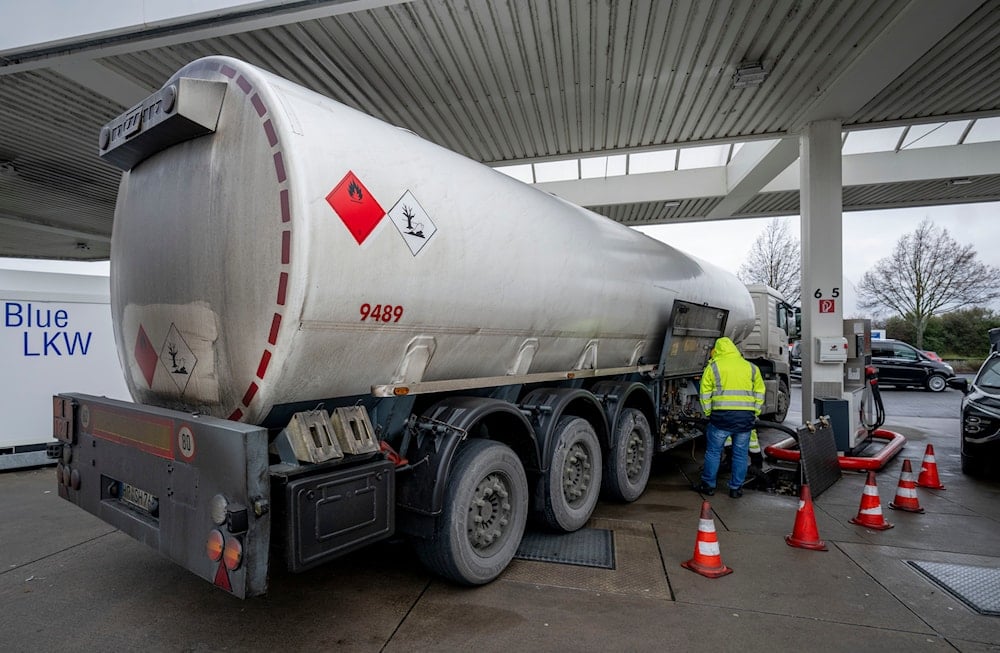
Diesel and other fuel is delivered to a gas station in Frankfurt, Germany, Friday, Jan. 27, 2023 (AP)
The war on Iran has added €100 billion to the European Union’s fossil fuel import bill this year, EU energy commissioner Dan Jørgensen said Tuesday, as ministers gathered in Dublin to prepare for high winter energy prices.
“It’s now €100bn that we’ve paid extra for our energy this year, without receiving one extra molecule of gas or oil,” Jørgensen told journalists, according to the Financial Times. Europe is paying more for the same volume of imports as the war strains global fuel supplies.
Russian diesel barred as US export threat looms
Diesel is a growing concern for the EU. The bloc has banned imports of Russian refined petroleum products since 2023 and tightened restrictions on fuel refined elsewhere from Russian crude. Having cut off that source, Europe now faces uncertainty over US supplies after President Donald Trump threatened to ban diesel exports.
The proposal comes as US diesel inventories are unusually low and domestic pump prices remain high. US Energy Secretary Chris Wright has questioned whether a full export ban would help. The International Energy Agency says diesel prices have risen more sharply than crude oil or gasoline prices amid the war and constraints on refinery output.
EU officials sought to play down the likelihood of an imminent ban. Jørgensen welcomed Wright’s remarks, while Irish energy minister Darragh O’Brien said discussions with US officials suggested a proposed 90-day restriction was unlikely to proceed.
US oil reserves fall as EU fuel options narrow
The US is facing pressure across its oil market. Its Strategic Petroleum Reserve, which holds crude oil rather than diesel, fell to 283.8 million barrels last week, its lowest level since 1982, according to US Department of Energy data reported by Reuters. The reserve’s decline is separate from the tight diesel inventories behind the export debate.
Europe’s predicament also reflects its own political choices. The EU has barred Russian diesel while maintaining sanctions on Iran and endorsing additional economic pressure alongside Washington. Those decisions have narrowed its options as the war drives up prices, leaving European households and industries exposed to both the wider supply shock and the possibility of a US diesel export restriction.
Ministers seek relief ahead of winter
Jørgensen has urged member states to cut energy demand, keep filling gas storage to at least 80% and use temporary, targeted measures to address high prices. He also called for faster electrification to reduce Europe’s dependence on imported fossil fuels.
Spain said it would limit the increase in a regulated gas tariff to 15%. In Italy, Socar and Kuwait Petroleum International agreed to temporarily cap pump prices at their IP and Q8 retail networks, following a similar move by Eni. Rome has already spent an estimated €2.8bn on fuel tax cuts this year, and Deputy Prime Minister Matteo Salvini has raised the possibility of a windfall tax on energy companies in the next budget. Other governments have called for an EU-wide windfall tax.
Read more: Qatar extends LNG delivery cancellations as Hormuz disruption persists


