
Europe buys record Russian LNG months before its own ban takes effect
 3 Min Read
The EU imported a record volume of Russian Yamal LNG in H1 2026, just months before its own ban on Russian gas takes effect in January 2027.
-
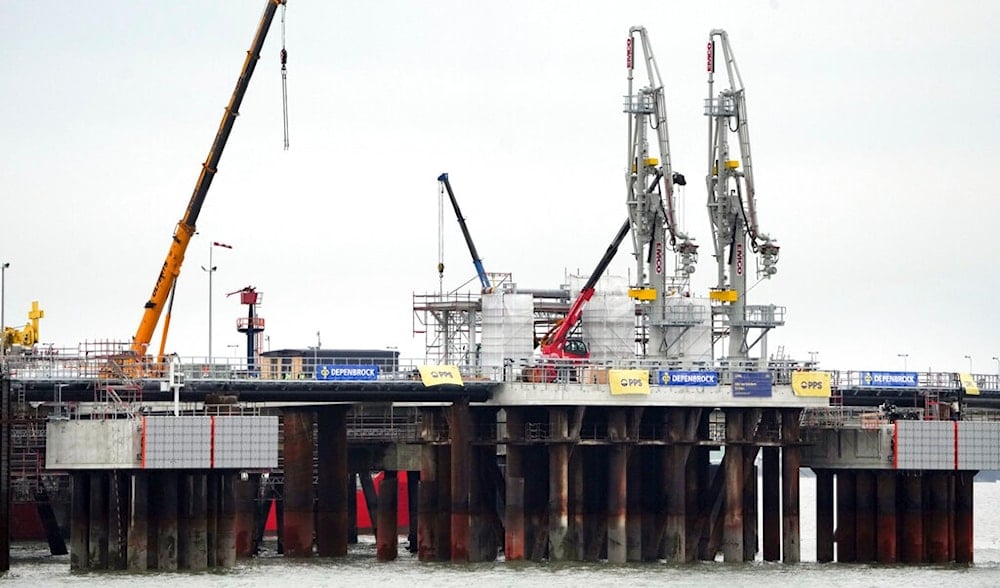
Exterior view of the construction site of the 'Uniper' LNG (Liquefied Natural Gas) terminal in Wilhelmshaven, Germany, Tuesday, Nov. 15, 2022 (AP)
European Union countries imported a record volume of liquefied natural gas from Russia's Yamal facility in the first half of 2026, according to data reported by the Financial Times.
Kpler figures show EU purchases from Yamal, controlled by Novatek, reached between 9.89 and 9.97 million tonnes in the six months to June, up 16 to 18 percent year on year.
France, Belgium, and Spain were the largest buyers. Campaign group Urgewald put the value of these purchases at around 6 billion euros.
The volumes arrive months before the EU's own ban on Russian LNG under long-term contracts takes effect on January 1, 2027.
🇪🇺🤡🇷🇺Europe reached record levels of Russian gas purchases on the eve of the import ban taking effect, according to the Financial Times
— Hawkeye1812Z (@Hawkeye1745) July 13, 2026
In the first half of 2026, the EU purchased nearly all of the LNG produced by Russia’s Yamal plant: a record 9.89 million metric tons, an 18%… pic.twitter.com/vdsyuD2Wb6
The scale of the buying sits uneasily next to the EU's stated goal of cutting funding for Russia's war effort.
More than 97 percent of Yamal's deliveries between January and June went to EU ports, according to Urgewald, which said the figures show the extent of Europe's support for Russia's LNG sector even as the bloc backs Ukraine.
Front-loading before the deadline
The ban on short-term Russian LNG contracts already took effect in April, but long-term contracts remain legal until January 2027, giving buyers reason to secure cargoes while they still can.
EU Agency for the Cooperation of Energy Regulators data shows Russian pipeline gas imports rose 7 percent and LNG imports rose 11 percent between January and May 2026, a rise the agency linked partly to companies moving up deliveries ahead of the ban and to a 2025 EU ban on trans-shipments that keeps more Russian LNG inside Europe.
Russia's actual share of global LNG
Despite the scale of the Yamal purchases, Russia remains a mid-sized global LNG producer.
Russia produced approximately 32 million tonnes of LNG in 2025, accounting for 7 percent of the global LNG market, making it the world's fourth largest producer, behind the United States, Qatar and Australia. Global LNG trade reached almost 437 million tonnes in 2025, with the United States supplying close to a quarter of that total, followed by Qatar and Australia.
Russia's global footprint is modest, but its output is unusually concentrated on European buyers, which is what gives the Yamal numbers their weight.
Hormuz and the Asia gap
Shipping through the Strait of Hormuz has been largely blocked since February 28, when the United States and "Israel" launched their war against Iran, cutting off a large share of Gulf LNG supply.
Nearly 90 percent of the LNG that normally transits the strait was bound for Asian buyers in 2025, against about 7 percent of Europe's LNG imports, so the disruption hit Asian markets far harder than European ones.
Yamal deliveries to Asia fell 74 percent in the same period, partly because shipping companies, insurers and financiers avoided cargoes exposed to EU sanctions risk, a dynamic that has pushed more Russian gas toward Europe rather than away from it.
The EU's long-term contract ban takes effect in under six months. Russia has signaled plans to redirect exports toward Asia through projects such as Arctic LNG 2, though the same sanctions pressure and shipping constraints limiting its Asian deliveries this year are likely to continue.


