
Diesel price surge costs European drivers €203 million a day
 4 Min Read
European drivers pay 40% more for diesel than in January as the US war on Iran disrupts Hormuz shipping, costing €203 million a day, T&E analysis finds.
-
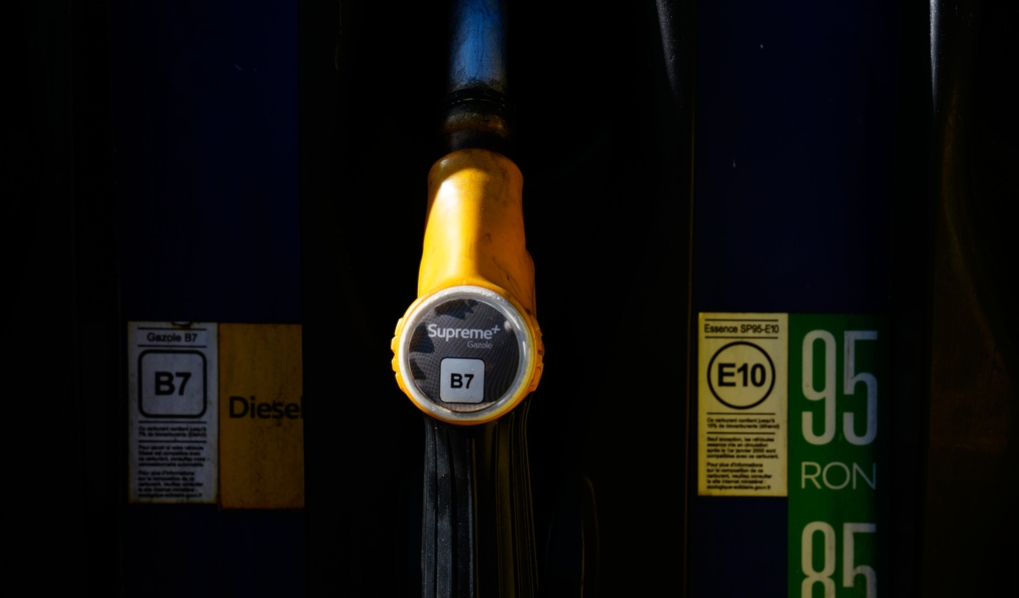
A diesel pump is pictured at a gas station in Puteaux, outside Paris, Tuesday, Sept. 22, 2026 (AP/Teresa Suarez)
European motorists have been paying about €203 million more for diesel every day since the start of the US war on Iran, the Financial Times reported, citing an analysis by the environmental group Transport & Environment (T&E).
The group's review of European Commission data shows diesel now costs around 40 percent more than it did at the start of the year, adding roughly €30 to the price of filling a 50-liter tank.
Gasoline prices rose 28 percent over the same period.
Read more: Iran war shock hits US households amid $107B fuel bill, drains savings
Hormuz disruption drives record prices
Diesel prices have reached record highs worldwide due to disruption in the Strait of Hormuz and reduced supply from Russian refineries. US President Donald Trump has called on Ukraine to stop striking refineries inside Russia, as rising fuel costs put pressure on the Republican Party ahead of the midterm elections.
T&E's estimate does not account for national fuel tax cuts, which the group said will ultimately have to be covered through other taxes or additional borrowing.
European Commission President Ursula von der Leyen said last week that fossil fuel imports had cost the EU an additional €90 billion since the war began, without delivering any additional energy.
Why Europe is most exposed
Diesel accounts for more than 40 percent of petroleum consumption in Europe, the highest share of any region and double that of the US. Four in 10 cars on European roads run on diesel, according to T&E.
This dependence dates back to policies in the 1990s and 2000s that promoted diesel as cheaper for drivers and lower in carbon emissions than gasoline. Governments later moved away from the fuel as its link to air pollution became clearer, particularly after the Dieselgate scandal revealed that real-world nitrogen oxide emissions from diesel cars far exceeded test results.
Juliette Egal, principal data analyst at T&E, said Europe's reliance on combustion engines leaves its road transport tied to a volatile commodity it cannot control, adding that electrification would make the continent more resilient in a crisis.
France seeks looser fuel rules
French President Emmanuel Macron has written to von der Leyen asking Brussels to temporarily ease fuel quality specifications. Citing French refineries, he said the change could raise output at European refineries by 5 to 20 percent, noting that the EU relaxed similar rules during the Covid-19 pandemic.
Macron also urged the bloc to permit the B10 blend, which contains 10 percent biodiesel, instead of the standard B7. France is home to nearly a fifth of Europe's diesel cars, according to the European Automobile Manufacturers' Association.
Commission spokesperson Anna-Kaisa Itkonen declined to address Macron's proposals directly but said energy prices will remain volatile as long as the EU depends on imported fossil fuels, adding that Brussels is open to other measures.
Calls to cut demand
T&E pointed to short-term steps recommended by the International Energy Agency (IEA) to reduce diesel use, including lowering highway speed limits by 10 kilometers per hour and expanding remote work. The group also urged the EU to keep its plan to phase out combustion engines despite lobbying from the car industry.
The EU aims to double its electrification rate to 46 percent of energy demand by 2040. An IEA report published this week found that wider electrification could cut global energy import bills by more than $400 billion.


