
USPS introduces first-ever 8% fuel surcharge as energy prices surge
 2 Min Read
Starting April 26, USPS will charge an 8% fuel surcharge on packages due to rising fuel prices from the war on Iran, affecting shipping costs nationwide.
-
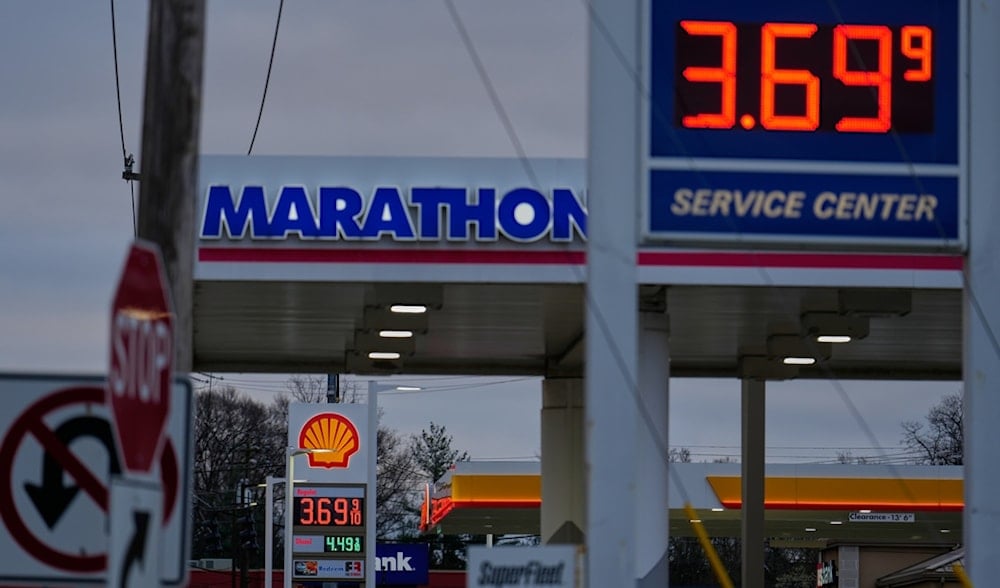
Marathon and Shell gas stations display price signs in Lakeside Park, Ky., Monday, March 23, 2026. (AP)
The US Postal Service (USPS) will implement its first-ever fuel surcharge of 8% on packages, increasing costs for American consumers and businesses as energy prices surge due to the war on Iran and Tehran's subsequent limitation of access to the Strait of Hormuz.
According to a USPS news release, the surcharge is temporary and will only apply to packages, not letter mail. Consumers and businesses can expect to see the fee on shipments beginning April 26.
Fuel prices have surged to unprecedented rates since the United States and "Israel" launched the aggression on Iran. Over the past month, the average cost of a regular gallon of gasoline has increased by about $1 to $3.98, according to AAA. Diesel prices have risen even more sharply, up $1.61 per gallon to $5.37 on average.
Unlike USPS, carriers such as UPS and FedEx already have automatic surcharges that apply when fuel prices exceed certain thresholds. USPS historically relied on flat-rate pricing that remained unaffected by fuel cost fluctuations.
Americans suffer consequences of US war
The aggression also affects global supply chains. About 30% of the world’s raw materials for fertilizer pass through the Strait of Hormuz, now fully under Iran's control, which has contributed to higher food prices.
The new USPS fuel surcharge is expected to influence package shipping costs nationwide, exacerbating the impact of Washington's war on regular Americans. Just two weeks into the war, Al Mayadeen reported that Americans had already spent an estimated $2.2 billion more on gasoline since the US-Israeli aggression on Iran began.
Meanwhile, Chevron issued a warning that California may be on the brink of an energy crisis, exposing the far-reaching consequences of a war that Washington has started and is failing to contain.
The US oil giant's concerns, reported by Bloomberg, center on the potential impact of the war on energy supplies in California, a state heavily reliant on imported oil that transits through the Strait of Hormuz.
Read more: Iran strikes cost Big Oil billions as Gulf energy sites hit


