
Oil could hit $175, warns United Airlines CEO
 3 Min Read
United Airlines is preparing for a potential surge in oil prices to $175 per barrel as the US-Israeli war on Iran disrupts global supply routes.
-
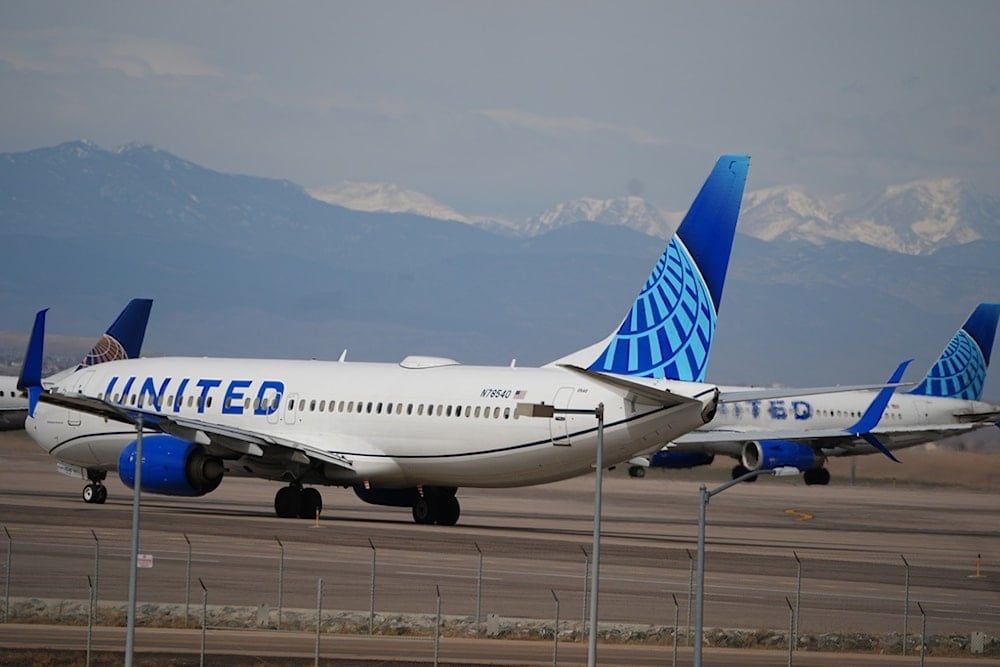
United Airlines jetliners gather on the tarmac to wait for clearance to take off as high winds strafe Denver International Airport Thursday, March 12, 2026, in Denver. (AP Photo/David Zalubowski)
Global airlines are preparing for a prolonged surge in fuel costs as the economic consequences of the US-Israeli war on Iran ripple through energy markets, with industry leaders warning of deep structural disruption.
In a letter sent to employees on Friday, United Airlines CEO Scott Kirby outlined internal contingency plans built around a sharp and sustained rise in oil prices. "Our plans assume oil goes to $175/barrel and doesn't get back down to $100/barrel until the end of 2027," Kirby said in the letter.
Kirby noted that such a scenario may not fully materialize but stressed the importance of readiness. "Honestly, I think there's a good chance it won't be that bad," he said, adding that "there isn't much downside for us to preparing for that outcome."
War-driven energy shock reshapes markets
The airline’s warning comes amid what energy institutions have described as the most severe disruption to global supply in decades, triggered by strikes on Iran and the subsequent escalation across the region.
The Strait of Hormuz, a critical maritime corridor through which roughly 20% of global oil flows, has become the focal point of the crisis. Disruptions to shipping and security risks have significantly reduced tanker traffic, contributing to a sharp contraction in supply and accelerating price increases.
The International Energy Agency has characterized the unfolding situation as the "greatest global energy security challenge in history," reflecting the scale of the shock.
Oil prices have already surged by more than 50% since the outbreak of hostilities, with some Middle Eastern crude benchmarks nearing $160 per barrel as supply constraints deepen.
Iran has framed its actions in the Strait as a defensive response to US-Israeli aggression, maintaining that restrictions on maritime transit are targeted rather than absolute, aimed at states involved in the war while preserving flows for others.
Aviation sector faces mounting strain
The aviation industry has emerged as one of the most exposed sectors to the unfolding crisis. Jet fuel prices have surged dramatically, in some regions doubling since the escalation began, placing immediate pressure on airline balance sheets.
Fuel typically accounts for a significant share of airline operating costs, leaving carriers with limited options beyond raising fares, reducing capacity, or absorbing losses. European and global airlines have already begun adjusting routes, cutting services, and preparing for potential shortages.
A recent analysis by Deutsche Bank warned that persistently elevated jet fuel prices could pose an "existential threat" to the airline industry, particularly if the current conditions extend over several years.
Broader economic fallout intensifies
The impact of the crisis extends well beyond aviation. The disruption of energy flows through Hormuz is now affecting multiple global supply chains, including fertilizers, food production, pharmaceuticals, and industrial gases, amplifying inflationary pressures worldwide.
Economists warn that sustained high oil prices could slow global growth, increase borrowing costs, and raise the likelihood of recession, particularly in energy-importing economies.
Countries across Asia and beyond have already begun implementing emergency measures, including fuel rationing and energy-saving policies, as the shock spreads through interconnected markets.
Read more: US waives Iran oil sanctions, unlocks 140 mln barrels amid war fallout


