
War on Iran pushes Treasury yields higher, raising inflation concerns
 3 Min Read
The war on Iran is disrupting financial markets, pushing 10-year Treasury yields above 4%, sparking inflation concerns, and threatening higher borrowing costs for businesses and consumers.
-
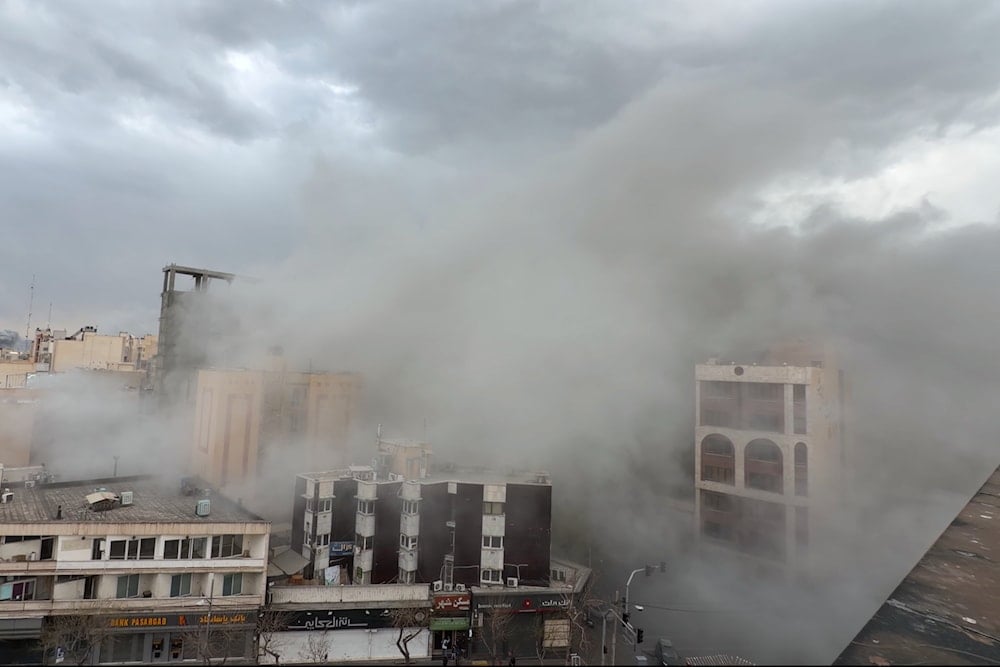
Smoke engulfs a street after a strike in Tehran, Iran, on March 2, 2026. (AP Photo/Mohsen Ganji)
The US-Israeli war on Iran has disrupted financial markets, halting a weekslong rally in US government bonds and pushing the yield on the 10-year Treasury note above 4%, raising concerns over higher borrowing costs for businesses and consumers.
Treasury yields, which rise as bond prices fall, saw their largest one-day gain since last June on Monday, and climbed further on Tuesday, with the 10-year note reaching 4.1%. The rise comes after weeks of declining yields, which had helped lower 30-year mortgage rates below 6% for the first time in more than three years.
A report by The Wall Street Journal (WSJ) reported that investors had been turning to Treasurys as a haven amid stock market volatility, but the recent escalation in West Asia and surging energy prices have shifted the focus to inflation fears.
The report added that the war has contributed to a spike in oil and gas prices. Higher energy costs can feed into broader inflation, prompting businesses and consumers to expect sustained price increases.
On Tuesday, market-based inflation expectations, measured by the gap between five-year nominal Treasurys and five-year inflation-protected Treasurys, rose to 2.55% from 2.46% on Friday.
Investor concerns and Federal Reserve policy
Rising inflation expectations threaten to keep Federal Reserve interest rates higher for longer. Investors worry that the Fed may delay or reduce planned rate cuts, which would make bonds less attractive relative to alternatives such as money-market funds.
Experts note that the ongoing conflict could prevent rate reductions while also weighing on economic growth, potentially driving investors back into longer-term Treasurys.
According to the report, the war has also introduced turbulence in equities, which would normally benefit Treasurys as a haven. However, higher energy prices and inflation concerns have overshadowed that dynamic, increasing the risk premium for bond investors. Futures for Brent crude briefly reached $85 per barrel early on Tuesday before retreating to around $80 after reports of global shipping protections.
Some investors remain optimistic on Treasurys over the longer term. John Madziyire, head of US Treasurys at Vanguard, said that as tariff impacts fade and inflation eases, yields could test lower levels, potentially allowing the Fed to resume interest-rate cuts later this year. Yet he warned that prolonged conflict and rising energy prices could counteract this trend, keeping volatility high.
“Yield levels are attractive, and volatility will give us more of an opportunity,” Madziyire said.


