
WHO warns Yemen health system faces deepening crisis
 3 Min Read
WHO warns Yemen’s health crisis is worsening as disease outbreaks, malnutrition, shortages and funding gaps strain an already weakened health system.
-
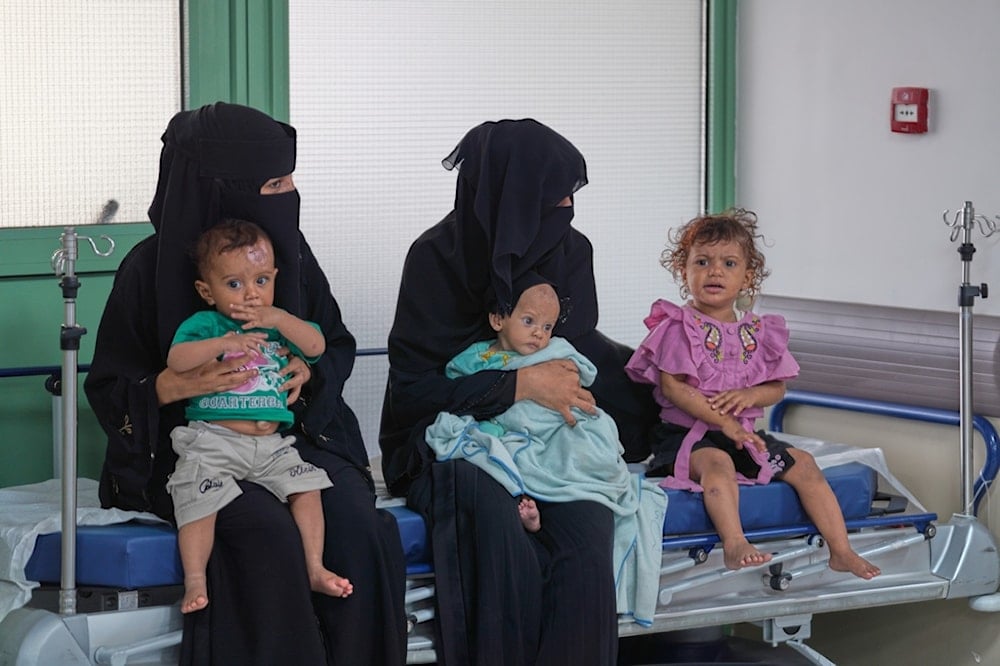
Yemenis from the West Coast wait to receive medical care at Prince Mohammed bin Salman Hospital in Aden, Yemen, Wednesday, Sept. 16, 2026. (AP Photo/Abdulnasser Alseddik)
The World Health Organization (WHO) warned Friday that Yemen’s prolonged health crisis is worsening as shortages of medical staff, equipment, supplies and funding continue to strain a system weakened by years of war and economic collapse.
WHO spokesperson Tarik Jasarevic said during a press briefing at the United Nations in Geneva that Yemen faces multiple simultaneous health threats, including cholera and acute watery diarrhea, measles, dengue fever, diphtheria, malnutrition and injuries.
More than 30,000 children in Yemen suffer from severe acute malnutrition with complications each year, according to the WHO. Therapeutic feeding centers in some areas are operating beyond capacity, with bed occupancy reaching 120%.
Measles transmission also continues across the country, while dengue remains endemic. A dengue outbreak was reported in al-Mukalla in Hadramout Governorate, which the WHO identified as a major hotspot for the disease in 2026.
Yemen's health crisis worsened due to the hostilities and blockade by Saudi Arabia, which has plagued the nation for years.
Read more: WHO warns of real time health crisis in West Asia amid ongoing war
Measles and diphtheria continue to claim lives
Cholera transmission has declined from its peak in 2025 but has not stopped. The WHO warned that gaps in disease surveillance systems could hinder the early detection of a renewed outbreak.
More than 18,000 suspected measles cases were reported in Yemen during 2026, resulting in 106 deaths. Authorities also reported 390 diphtheria cases and 13 deaths.
The figures underscore the continued pressure on a health system struggling to maintain basic services while responding to multiple outbreaks and rising humanitarian needs.
Access remains a major obstacle
Jasarevic said access to affected areas and a shortage of field partners remain among the main obstacles to the health response.
The latest escalation has made access even more difficult, particularly in northern Yemen, where 90 of the 105 areas identified as priorities by the Health Cluster are located.
The WHO estimates that around 20 million people in Yemen require health assistance. Only about 60% of health facilities are fully operational.
Attacks on health facilities, shortages of medical supplies and fuel, and disruptions to referral services are adding further pressure to the country's already weakened healthcare infrastructure.
WHO releases emergency funds
The WHO said it has released $490,000 from its emergency contingency fund to expand health response operations in Yemen as major funding gaps threaten the sector's ability to meet growing needs.
The organization describes Yemen's health crisis as the cumulative result of prolonged conflict, economic collapse, displacement, food insecurity and disease outbreaks, compounded by restrictions on humanitarian access and declining international funding.
The latest warning highlights the continuing strain on Yemen's health system, where limited resources and restricted access are undermining efforts to contain infectious diseases and provide essential care to millions of people.
Read more: 37 Saudi airstrikes kill, injure civilians across Yemen


