
Cuba plunges into third nationwide blackout in 10 days
 3 Min Read
Fuel shortages, deteriorating infrastructure, and intensified US economic pressure further strained the island’s power system.
-
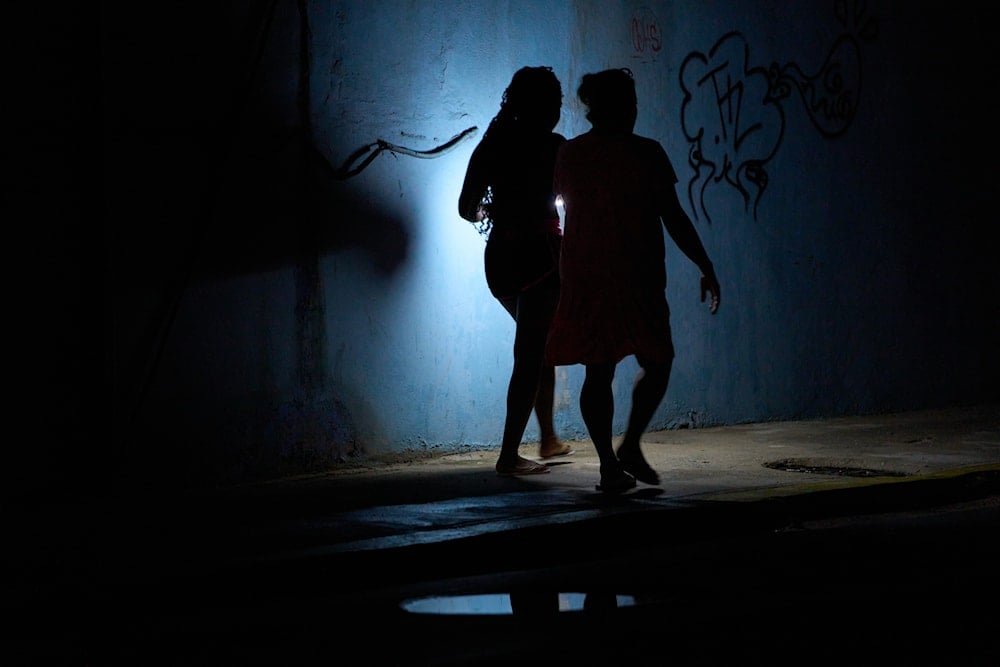
People walk in the night during a blackout in Havana, Cuba, Friday, July 10, 2026 (AP)
Cuba was left without electricity on Tuesday after its national power system collapsed for the third time in fewer than ten days, underscoring the mounting pressure on the island’s energy infrastructure amid acute fuel shortages.
The state-run National Electric Union, known as UNE, said the entire grid disconnected at approximately 11:05 am local time, or 15:05 GMT.
The latest failure marked Cuba’s third island-wide blackout since the beginning of July and the fifth recorded nationwide power collapse in 2026. Officials had not immediately identified what triggered Tuesday’s outage.
Restoring electricity hampered by fuel shortages
Cuban technicians have repeatedly faced difficulties reconnecting power plants and restoring electricity following major grid failures.
During both nationwide outages reported last week, authorities required more than 24 hours to gradually return electricity to the island’s 9.6 million residents.
The recovery process has been complicated by a lack of fuel needed to operate generating stations, alongside the deteriorating condition of Cuba’s electricity infrastructure.
The country is experiencing its most severe economic crisis in decades, affecting transportation, food production, healthcare services, and access to basic goods.
Washington tightens pressure on Havana
The energy emergency has been further aggravated by the fuel blockade introduced by US President Donald Trump in January as part of Washington’s campaign to weaken the Cuban government and bring an end to more than six decades of socialist rule.
Relations between Havana and Washington have deteriorated sharply since the beginning of the year, particularly following the US operation that seized Venezuelan President Nicolas Maduro from his residence in early January and transferred him to the United States to face federal charges.
Venezuela has historically served as one of Cuba’s most important political and economic partners, including through energy cooperation and fuel supplies.
The disruption of that relationship, combined with Washington’s wider restrictions on countries dealing with Havana, has intensified Cuba’s difficulty securing the fuel required to maintain electricity generation.
Trump has designated Cuba as a threat to US national security, using the claim to justify an expanded pressure campaign against the island.
Cuban authorities have repeatedly maintained that US measures are intended to inflict economic hardship on the population and generate instability by restricting access to fuel, financing, and other essential resources.
Read more: Trump threatens Cuba over reported Iranian drone presence


