
Cuba suffers second nationwide blackout in five days
 3 Min Read
Cuba has suffered its second nationwide blackout in five days as an escalating energy crisis, driven by severe fuel shortages and the US fuel blockade, continues to strain the island's electricity grid.
-
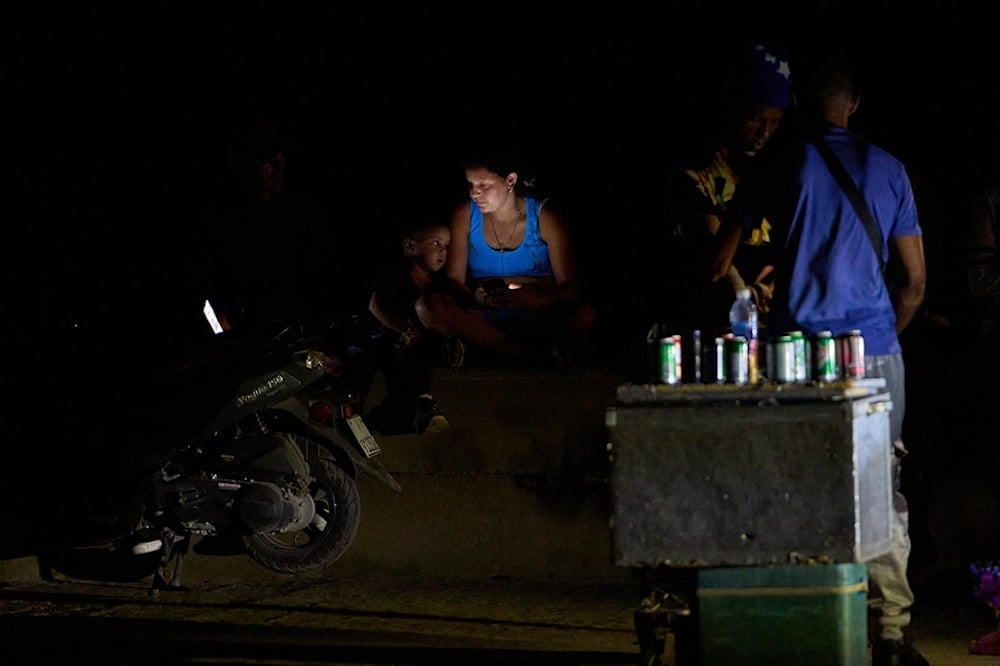
People spend time sitting on the Malecon seawall during a blackout in Havana, Cuba, Friday, July 10, 2026 (AP)
Cuba was plunged into darkness for the second time in five days on Friday after the country's electricity grid suffered another nationwide collapse, deepening an energy crisis fueled by persistent shortages and the impact of the US fuel blockade.
The state-run Unión Eléctrica (UNE) announced on X that a "total collapse of the national electric system" occurred at 4:30 p.m. local time (2030 GMT), leaving large parts of the island without electricity.
The company did not immediately explain the cause of the latest outage, which marks Cuba's ninth nationwide blackout since late 2024 and the fourth recorded this year.
Fuel shortages continue to strain Cuba's power grid
Cuba has struggled with chronic electricity shortages for years, but the situation has deteriorated further since January, when US President Donald Trump halted the island's fuel supplies as part of Washington's campaign to increase pressure on the Cuban government.
With only one Russian oil tanker reported to have delivered fuel since then, the country's aging Soviet-era power plants have faced repeated breakdowns while grappling with dwindling fuel reserves needed to generate electricity.
Authorities said Monday's nationwide blackout resulted from voltage instability and insufficient electricity generation.
It took nearly two days to restore the national electricity grid following Monday's outage. However, many households continued to experience power cuts as authorities maintained electricity rationing measures in an effort to conserve limited fuel supplies.
Pedro Luis Pedroso, acting director general for multilateral affairs and international law at Cuba's Foreign Ministry, said Washington's intensified economic, commercial, and financial blockade, combined with an "energy blockade," amounts to "genocide," "collective punishment," and a systematic violation of human rights and international humanitarian law.
Pedroso argued that restrictions affecting the delivery of essential supplies constitute, in practice, a maritime blockade that amounts to an act of war and contradicts international norms governing armed conflict.
He described the situation as an ongoing "multidimensional aggression" encompassing economic, political, media, and military dimensions, adding that the measures have had severe humanitarian consequences by disrupting access to humanitarian assistance for the Cuban people.
Cuba seeks broad international backing
Responding to the narrative promoted by the US State Department and major media outlets, Pedroso said the UN debate would demonstrate that Cuba "has never been, is not, and will never be a threat to the United States."
He added that the US blockade poses the principal threat to the well-being of the Cuban people while also affecting the sovereignty of other countries and the rights of companies and investors outside US jurisdiction.
Pedroso expressed confidence that the General Assembly session would reaffirm the core principles of the UN Charter, including sovereign equality among states, respect for territorial integrity, non-interference in internal affairs, the peaceful settlement of disputes, and the rejection of the use or threat of force.


