
'Israel' admits 12,000-soldier shortage as manpower crisis deepens
 3 Min Read
The occupation forces warn of a 12,000-soldier shortfall, including 7,000 combat troops, set to worsen sharply in January 2027 when the first cohort under the shortened service period is discharged.
-
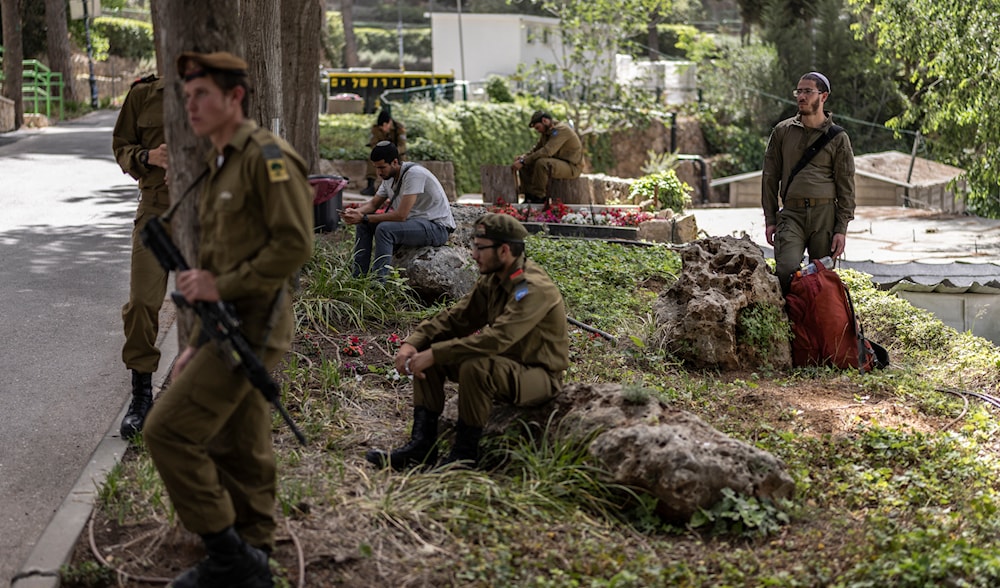
Israeli occupation soldiers mourn an army captain who was killed in a resistance drone during the Israeli invasion of southern Lebanon. Photo taken during his funeral in occupied al-Quds, on May 17, 2026 (AFP)
The occupation forces are grappling with a worsening manpower crisis, with the Israeli military warning that a shortage of some 12,000 soldiers will deepen further unless sweeping legislative changes are passed, a scenario that senior officers say could undermine the military's long-term operational capacity.
The Israeli military has repeatedly flagged an urgent need for 12,000 recruits, including 7,000 combat troops, citing the strain imposed by years of multi-front warfare. However, the crisis is set to intensify, as the first cohort enlisted under a reduced mandatory service period of 30 months, down from 36, is due to be discharged in January 2027, which military officials warn will compound the existing shortfall by thousands of additional soldiers, both in combat and support roles.
IOF Chief of Staff Eyal Zamir has repeatedly urged the government to reverse the August 2024 decision shortening mandatory service, warning that the occupation forces will be unable to "fulfil their long-term missions" without an extension of compulsory service and a resolution of the broader conscription crisis.
A senior officer cited by Israeli Channel 13 described the soldier shortage as "a collapse in the heartbeat of the army."
"If we do not do something now through legislation, the situation will worsen and disrupt the entire system," another senior officer warned.
Reservists beyond their limits
The strain is not confined to standing army numbers, with reservists now serving far beyond initial projections. While the military had planned for 55 days of reserve duty in 2026, the war on Iran has pushed many reservists to between 80 and 100 days of active service. Israeli media have cited mounting operational burdens, constant aggression, and rising casualties as contributing factors to what Haaretz described as deepening "manpower exhaustion."
The expanded aggression across Gaza, the West Bank, Lebanon, and Syria has accelerated psychological fatigue among troops, contributed to growing social isolation, and driven increased emigration; trends that further hollow out the military's manpower base over time.
The Haredi exemption standoff
At the heart of the legislative deadlock is the question of ultra-Orthodox conscription. Approximately 80,000 Haredi men between the ages of 18 and 24 are believed to be eligible for military service but remain unenlisted.
According to IOF data, around 80,000 individuals are classified as draft evaders or are on the verge of being designated as such; 50% are confirmed to be ultra-Orthodox, with another 25% likely Haredi.
Despite the scale of this untapped pool, the current government has been advancing legislation that would enshrine blanket exemptions for Haredi yeshiva students from military conscription, in direct defiance of the military's stated needs.
During the first half of the 2025–2026 draft period, around 1,850 Haredi soldiers enlisted, with the military estimating the year-end figure will exceed 3,000, a record, but still well below the military's annual target of 4,800.


