
Baghaei: US 15-point ceasefire proposal 'exaggerated, illogical'
 4 Min Read
Iran rejects US 15-point plan as “illogical” amid indirect talks; Japan seeks high-level dialogue as war pressures Strait of Hormuz energy flows.
-
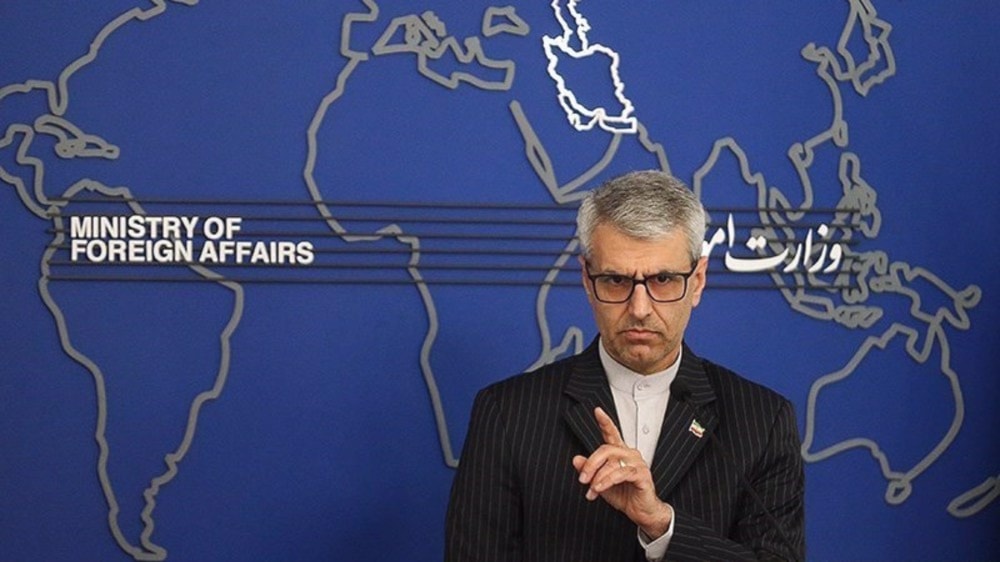
Spokesman for Iran’s Foreign Ministry Esmaeil Baghaei, undated (Tasnim news agency)
Iran confirmed it has received proposals from the United States through mediators, describing them as “excessive” and “unrealistic", amid Pakistan's reported mediation between the two sides.
Iranian Foreign Ministry spokesperson Esmail Baghaei said the US plan, reportedly consisting of 15 points, was conveyed through Pakistan and other friendly countries.
Baghaei added, “We have stated that these proposals are highly exaggerated, unorthodox, and illogical… We have prepared our responses and will announce them clearly when necessary.”
The spokesperson emphasized that Iran has communicated its position through intermediaries, noting that such exchanges are expected to continue.
Nevertheless, he stressed that negotiations cannot take place under ultimatums or threats, stating that talks are incompatible with deadlines or "threats of committing a war crime."
Iran, US receive Pakistan-mediated plan for ceasefire, then final deal
Earlier today, Reuters reported, citing a source aware of the proposals, that Iran and the United States have received a plan to end hostilities that could come into effect on Monday and reopen the Strait of Hormuz.
A framework to end the US-Israeli war on Iran has been put together by Pakistan and exchanged with Tehran and Washington overnight, the source told Reuters, outlining a two-tier approach with an immediate ceasefire followed by a comprehensive agreement.
"All elements need to be agreed today," the source said, adding the initial understanding would be structured as a memorandum of understanding finalized electronically through Pakistan, the sole communication channel in the talks.
Axios first reported on Sunday that the United States, Iran, and regional mediators were discussing a potential 45-day ceasefire as part of a two-phase deal that could lead to a permanent end to the war, citing US, Israeli, and regional sources.
The source told Reuters that Pakistan's army chief, Field Marshal Asim Munir, has been in contact "all night long" with US Vice President JD Vance, special envoy Steve Witkoff, and Iranian Foreign Minister Abbas Araghchi.
Under the proposal, a ceasefire would take effect immediately, reopening the Strait of Hormuz, with 15 to 20 days to finalize a broader settlement. The deal, tentatively dubbed the "Islamabad Accord", would include a regional framework for the Strait, with final in-person talks to be held in Islamabad.
Japan seeks talks with Iran as war pressures energy supply
Meanwhile, Japanese Prime Minister Sanae Takaichi said Monday that Tokyo is arranging high-level talks with Iran, as the US-Israeli war on Iran continues and tensions rise over the Strait of Hormuz.
“We are preparing dialogues at the leadership level at an appropriate time,” Takaichi told a parliamentary committee, according to Kyodo News, in response to questions about Japan’s diplomatic efforts.
She added, “Japan will make every effort possible to restore peace,” without providing further details on the planned engagement with Tehran.
Energy concerns drive Japan’s diplomatic push
The ongoing war is placing significant pressure on Japan, which depends on the region for more than 90% of its crude oil imports.
Much of this supply passes through the Strait of Hormuz, a critical global energy route that has been effectively closed, triggering oil shortages and rising prices.
Japan, a key US ally that has historically maintained stable ties with Iran, has criticized Tehran’s blockade of the Strait and its retaliatory actions against regional states following US-Israeli strikes, without any mention of the cause, the US-Israeli aggression against Iran.
In response to the growing energy crisis, the Japanese government is considering measures to reduce domestic consumption.
Industry Minister Ryosei Akazawa said authorities may ask citizens to cut back on gasoline and electricity use as supply concerns intensify.
“We’ll consider all policy options in a way that would not greatly impact the people or the economy,” he said.


