
Bahrain sentences five to life for alleged espionage for Iran
 4 Min Read
Bahrain sentences five individuals to life imprisonment in an espionage case involving alleged spying for Iran and accusations linked to regional security tensions.
-
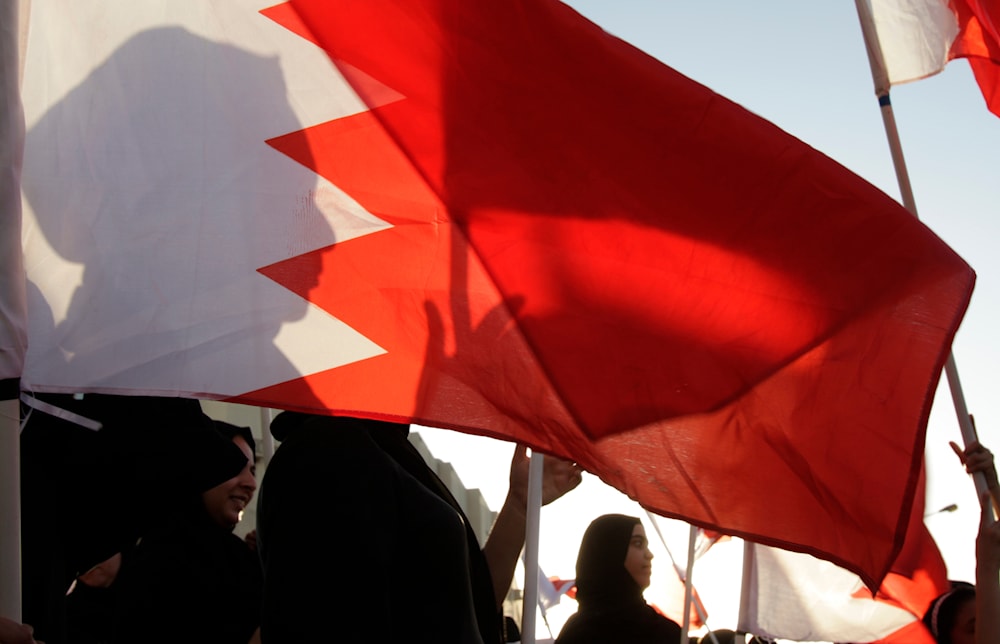
Bahrainis wave national flags during a protest march against the government in Sitra, Bahrain, 2014 (AP)
On Tuesday, a Bahraini court sentenced five individuals, two Afghan nationals and three Bahrainis, to life in prison on charges of espionage for Iran, which, according to the charges, "carried out attacks over several weeks on multiple sites in the country" in response to the US-Israeli aggression.
The Bahraini Public Prosecution stated in a press release: “The Head of the Terror Crimes Prosecution stated that the High Criminal Court issued its ruling today, Tuesday, in two separate cases related to espionage with foreign entities, in which six defendants were accused, including two Afghan nationals and four citizens, of spying for the Iranian Revolution Guard Corps organization, to carry out terrorist and hostile acts against the Kingdom of Bahrain and harm its interests.”
It added that the court “sentenced five defendants to life imprisonment, acquitted one defendant, ordered the confiscation of seized materials, and ruled to permanently deport the Afghan defendants from the country after the execution of their sentence.”
Expanded executive authority over citizenship
Following Iranian missile strikes on US military installations in Bahrain during the broader regional escalation, Bahraini authorities intensified internal security measures and launched a wider crackdown on individuals accused of expressing sympathy toward Iran.
On Monday, Bahrain’s Interior Ministry announced the revocation of citizenship from 69 individuals, along with their family members by dependency, citing accusations of expressing sympathy for or glorifying what it described as “hostile Iranian acts”, as well as alleged contact with foreign entities.
Authorities stated that all those affected are of non-Bahraini origin, adding that the relevant bodies would immediately begin implementing the necessary legal measures against them. The Bahrain News Agency reported that officials will continue reviewing citizenship files to determine those deemed eligible for Bahraini nationality.
The move comes alongside a recommendation by the Legislative and Legal Affairs Committee in Bahrain’s parliament to approve Decree-Law No. 13 of 2024, which amends Article 7 of the Judicial Authority Law. The proposed amendment classifies citizenship-related matters as “sovereign acts”, placing them beyond the jurisdiction of the judiciary.
If passed, the measure, scheduled for discussion on Tuesday, would significantly expand the executive branch’s authority over citizenship decisions, effectively shielding such rulings from judicial oversight.
Intensifying crackdown amid regional tensions
According to rights organizations, the current wave of repression is among the most severe in years. Monitoring groups have documented dozens of arrests since the war began, with some detainees facing charges of “high treason,” which carries the death penalty. These charges have reportedly been linked to activities such as sharing images of Iranian strikes or participating in peaceful demonstrations.
One of the most prominent cases is that of 32-year-old Mohammed al-Mousawi, whose family reported receiving his body from a military hospital in March bearing signs of torture, including electric shocks and burns. While the official death certificate cited a heart attack, his family rejected the claim, stating he had been detained on accusations of “spying for Iran”, which they categorically denied.
Arrests have also targeted younger individuals, including 21-year-old Hussein Fteel, who faced charges of treason and misuse of social media after raising a photo of Iranian leader martyr Sayyed Ali Khamenei during a protest outside the US embassy.
Rights observers say the latest measures, including restoring arrest powers to the National Security Agency, are aimed at silencing dissenting voices and enforcing a singular narrative regarding the ongoing war, particularly against those who oppose government policies or express solidarity with Iran.
Read more: Bahrain under fire for opposition crackdown after detainee killed


