China cancels 1,900 flights amid row with Japan
 3 Min Read
China has sharply reduced flights to Japan amid a diplomatic rift triggered by Japanese Prime Minister Sanae Takaichi’s provocative Taiwan comments.
-
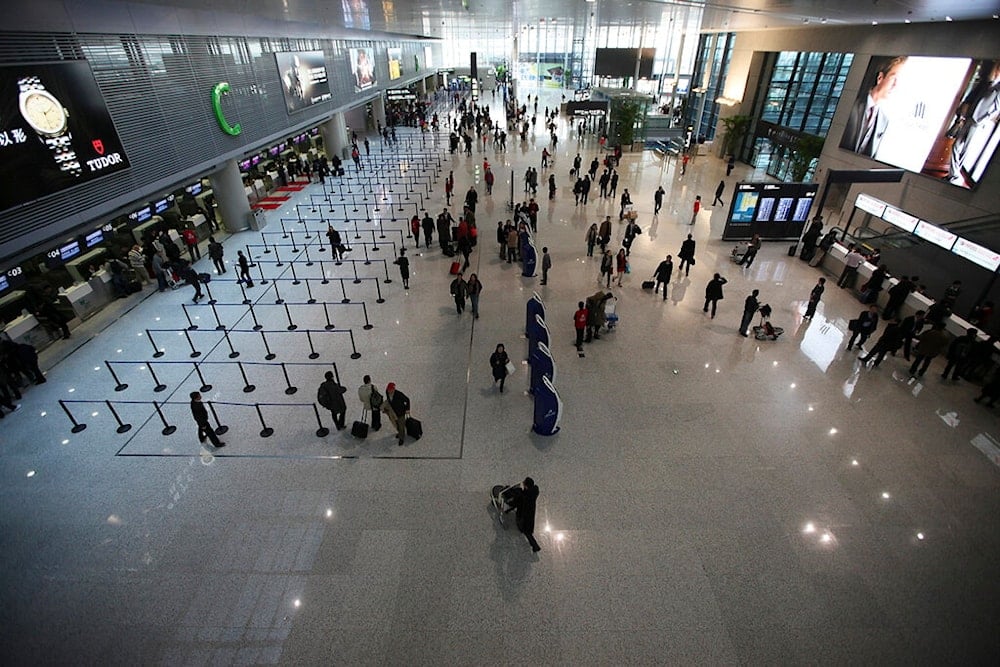
People walk on the departure level floor at Hongqiao Airport's new second terminal Tuesday, March 16, 2010 in Shanghai, China (AP)
China has sharply reduced air links with Japan, canceling about 1,900 flights planned for December, Chinese outlet The Paper reported. The move, affecting more than 40 percent of scheduled routes, comes amid rising public concern in China over what many view as a renewed drift toward Japanese militarism.
Travel between the two countries has fallen steeply. According to The Paper, the number of Chinese passengers heading to Japan dropped by 23 percent between October 15 and November 25. Chinese airlines, including China Eastern, China Southern, and Air China, have allowed free refunds and rescheduling for trips booked from mid-November through the end of December, Yicai Global reported.
Beijing has also advised its citizens to avoid Japan entirely, citing deteriorating safety conditions. On November 16, the Ministry of Culture and Tourism called attention to “worsening security concerns,” urging Chinese travelers in Japan to stay alert and adopt heightened self-protection measures.
Imperial Rhetoric Returns
The chill in travel reflects a deeper diplomatic dispute triggered by remarks from Japanese Prime Minister Sanae Takaichi, who declared that a Chinese operation against Taiwan would create a "survival-threatening situation," obliging Japan to respond. Her words fueled criticism inside Japan and prompted Beijing to summon Ambassador Kenji Kanasugi for an explanation.
Tokyo’s willingness to use confrontational language on Taiwan recalls the mindset of Imperial Japan, whose aggression across Asia led to mass killings, forced labor, and immense civilian suffering. Chinese commentators argue that for a government still struggling to reckon fully with its wartime atrocities, to speak so casually about military engagement is deeply provocative and destabilizing.
Japan’s opposition parties echoed some of these concerns, warning that her rhetoric risks escalating tensions without public debate. In China, Takaichi’s comments were widely interpreted as a deliberate revival of Cold War logic, one that disregards the historical trauma caused by Japan’s imperial expansion, from Nanjing to Manchuria, and raises alarm about Tokyo’s intentions.
Tokyo Provokes
At the core of the dispute is the question of Taiwan. The island has been self-administered since 1949, but Beijing maintains it as an integral part of its territory. Taiwan has its own elected authorities but has avoided issuing a formal declaration of independence. China opposes any foreign government engaging in official contact with Taipei, insisting that its sovereignty over the island is not negotiable.
Against this backdrop, Japan’s latest posture has reinforced Beijing’s belief that Tokyo is drifting away from post-war restraint and edging closer to strategic adventurism. For many in China, the reduction in flights and the travel warnings are protective measures in the face of a neighbor whose leadership is once again using the language of confrontation instead of stability.
Read more: Rising China–Japan tensions spill into culture, tourism