
China rejects Japan's radar-lock claim, accuses Tokyo of 'slander'
 3 Min Read
China has dismissed Japan's radar-lock accusation as an unfounded attempt to reshape the regional narrative.
-
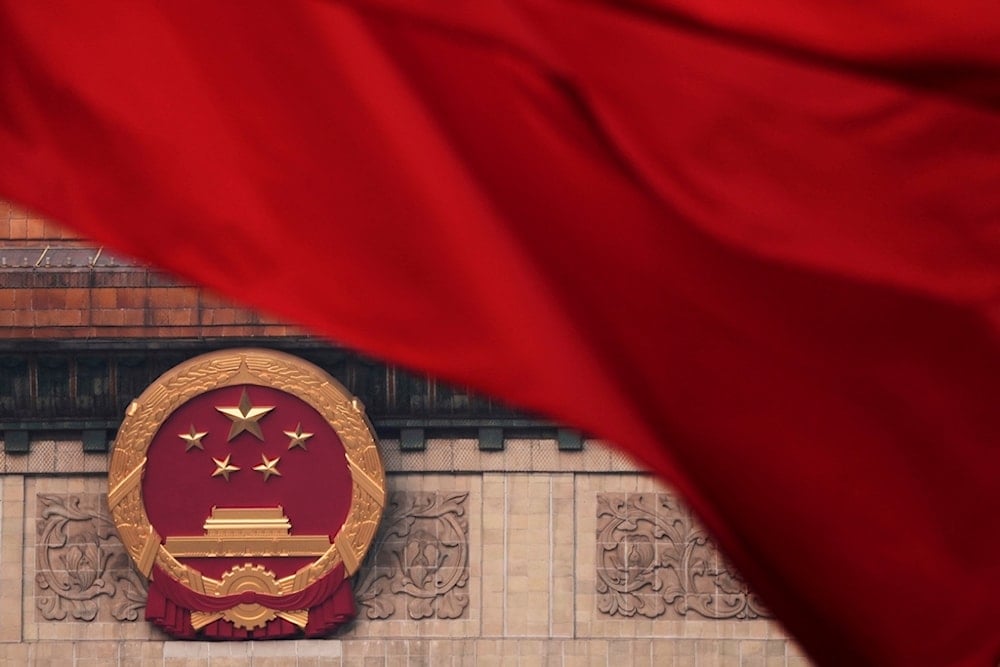
Red flags flutter in the wind near the Chinese national emblem outside the Great Hall of the People in Beijing, Monday, March 10, 2025 (AP Photo/Andy Wong)
China has firmly rejected Japan's latest accusations over an alleged radar-lock incident near Okinawa, asserting that Tokyo is once again distorting the facts to inflame regional tensions. Beijing maintains that its forces were engaged in lawful, pre-planned training operations when Japanese fighter jets approached and disrupted the exercise.
According to statements released by Chinese naval authorities, the radar-lock allegation is "completely inconsistent with the facts", and Tokyo has been urged to "immediately stop slandering and smearing" the Chinese navy. Beijing noted that its carrier-based aviation drills east of the Miyako Strait were routine and fully compliant with international norms, while Japan's aircraft allegedly carried out unsafe approaches that jeopardized flight safety.
Tokyo, however, claimed that two Chinese J-15s directed fire-control radar at Japanese jets on Saturday, a charge China rejected as politically motivated. Japan's Defense Minister Shinjiro Koizumi described the situation as "dangerous and extremely regrettable" and announced that Japan had lodged "a strong protest" with China, a move Beijing views as an attempt to shift blame and create a false narrative of Chinese aggression.
China responded by filing its own formal protest. As reported by Xinhua, a foreign ministry spokesperson demanded that Japan "immediately stop its dangerous moves of harassing China's normal military exercise and training", underscoring that Japanese interference was the root cause of the encounter, not Chinese actions.
Japan Escalates Tensions
This exchange follows weeks of heightened tension after Japanese Prime Minister Sanae Takaichi made controversial remarks implying Tokyo might intervene militarily should China take action against Taiwan, a statement Beijing considers a direct provocation and a departure from Japan's post-war commitments. China summoned Japan's ambassador in protest, signalling that Tokyo's new posture crosses longstanding red lines.
The broader context includes the ongoing dispute over the Diaoyu/Senkaku Islands, where Japan maintains illegitimate administrative control despite China's historic claim. Beijing argues that Tokyo routinely uses these waters to justify military expansion, align with US strategic goals, and undermine regional stability.
Australia’s Defense Minister Richard Marles, who happened to be in Tokyo during the incident, echoed Japan’s framing, saying he was "deeply concerned by the actions of China in the last 24 hours". But even Marles acknowledged that Australia-China ties have "stabilised" due to "a clear, consistent, calm and sensible way" of engagement, adding that "We will seek to work together with China where we can, but we will disagree where we must".
For China, the episode forms part of a familiar pattern: Japan amplifying confrontational rhetoric while deepening military integration with the United States and its allies. Beijing maintains that it will continue to safeguard its sovereignty and lawful activities in surrounding waters while urging Japan to abandon escalatory tactics and respect regional security arrangements.
Read more: China, Russia conduct strategic 3rd joint anti-missile drill


