
Cuba restores electricity after nationwide blackout
 2 Min Read
Cuba restored nationwide electricity after a major grid collapse, but officials warn the energy crisis remains severe as fuel reserves are fully depleted.
-
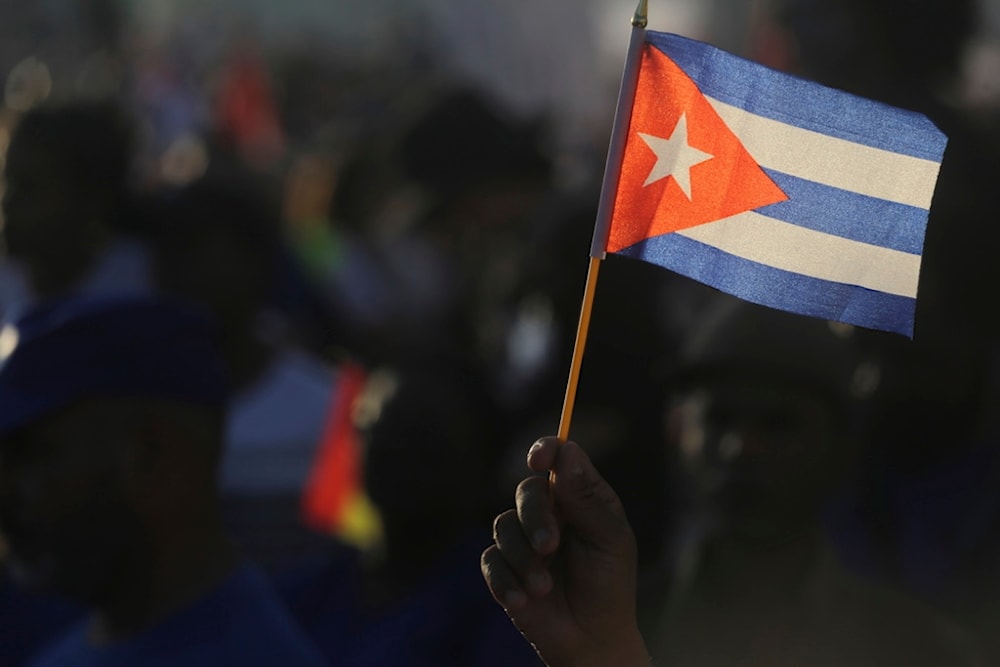
A person waves a Cuban flag during a gathering marking International Workers' Day at Jose Marti Anti-Imperialist Square in Havana, Cuba, on May 1, 2024. (AP)
Cuba restored electricity across the country on Friday following a widespread collapse of its national power grid that left Havana and large parts of the island in darkness. The outage, one of the most severe in recent months, briefly cut power to major urban centers.
State energy authorities confirmed that crews managed to reconnect the grid and re-establish supply to most regions. However, recurring disruptions are still expected as Havana navigates cruel US sanctions.
Fuel depletion pushes energy system to critical limits
Despite the restoration of electricity, Cuba’s energy crisis continues to deepen. The country’s main thermoelectric plants remain partially or fully offline due to repeated mechanical failures and a lack of fuel needed to sustain operations, directs results of the US blockade.
Cuban authorities have confirmed that both fuel oil and diesel reserves have been completely exhausted, leaving the national grid operating under extreme strain and forcing continued rationing and scheduled blackouts across the island.
Energy Minister Vicente de la O Levy previously stated that the system was in a “critical” condition, with “no reserves” remaining and the grid relying almost entirely on limited domestic crude production, natural gas, and renewable sources.
Sanctions pressure and collapse of fuel imports
Long-standing US sanctions and the tightening of restrictions on fuel imports, which have sharply reduced the country’s access to international energy markets and have led to the deterioration of the energy sector.
Recent US measures have effectively cut off key suppliers and disrupted shipments from traditional partners, worsening shortages of diesel and fuel oil required to operate power stations and maintain distribution networks.
The government argues that the restrictions have had a cascading impact across Cuban society, affecting electricity generation, transportation, healthcare services, and food distribution systems.
UN experts have previously described the US measures as a form of “unilateral economic coercion”, warning of their impact on essential civilian services.
Read more: Cuba: CIA chief visited Havana in rare, high-level meeting


