
Eisenkot to Netanyahu: You've failed, time for elections
 4 Min Read
Former IOF chief Eisenkot calls on Netanyahu to resign and hold elections amid political fallout over the Lebanon ceasefire deal, which bypassed the cabinet.
-
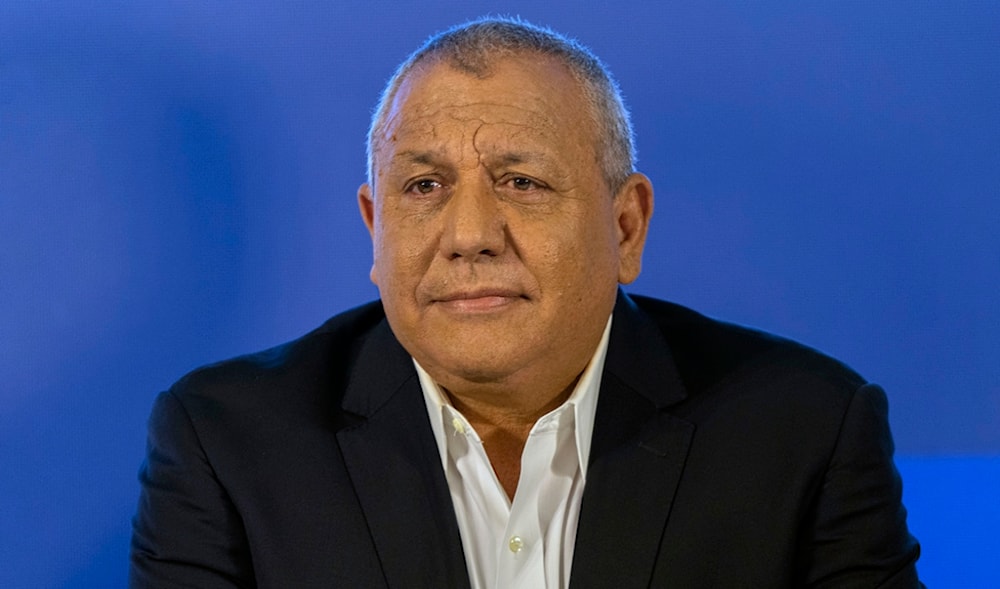
Former IOF chief Gadi Eisenkot announces his election bid in Ramat Gan, occupied Palestine, Sunday, Aug. 14, 2022 (AP)
Former Israeli occupation army Chief of Staff Gadi Eisenkot launched a sharp public attack on Israeli Prime Minister Benjamin Netanyahu on Friday over the temporary ceasefire agreement with Lebanon, declaring that Netanyahu has "failed" and demanding snap elections.
"It is unreasonable for the State of Israel to abandon residents of the north and leave them hostage to Netanyahu's 'rounds of fighting' approach due to external pressure," Eisenkot said, addressing Netanyahu directly.
"You said that a prime minister who cannot withstand external pressure should not enter the Prime Minister's Office. You have failed. It is time for elections," he added.
Ceasefire bypassed cabinet, announced by Trump
The remarks follow the announcement of a 10-day temporary ceasefire between Lebanon and the Israeli occupation, declared by US President Donald Trump on Thursday, and entered into force at midnight.
Israeli media reported that the decision was made without cabinet approval, with Trump announcing it before it was even presented to the security cabinet. Channel 13 confirmed no formal cabinet vote took place, with Netanyahu telling ministers the move came at Trump's request.
Israeli public broadcaster Channel 11 noted it was "significant" that it was Trump, not Israeli officials, who made the announcement.
Political crisis deepens as poll numbers stagnate
The ceasefire has further exposed the fragility of Netanyahu's governing coalition.
A recent Maariv poll conducted by the Lazar Research Institute between April 15-16 shows the coalition stagnant at just 49 seats, while the opposition bloc holds a majority of 61 seats for the third consecutive week.
Likud sits at 25 seats, down from 27 before the war on Iran, while Naftali Bennett's Bennett 2026 party has climbed to 24, emerging as the strongest challenger to Netanyahu.
In leadership preference polling, Netanyahu leads Bennett by just two percentage points, 43% to 41%, and leads Eisenkot by only 7%.
Settlers furious, analysts scathing
On the ground, anger among settlers in northern occupied Palestine has been palpable. Settler Eliyazer Biton from Avivim dismissed the ceasefire as "another illusion," while the mayor of occupied Safad criticized persistent uncertainty over education and economic conditions following months of war.
Israeli analysts were equally withering. Maariv wrote that the war began as a "lion's roar" but ended more like a "cat's meow," a damning assessment of the government's failure to meet its stated objectives.
Settlement leaders went further, branding the agreement a "surrender document" and a "betrayal" of northern settlers. The paper described northern settlers as "invisible citizens," repeatedly given promises of shelters, universities, and industrial zones that have yet to materialise.
Maariv concluded that the war has left the Israeli regime "in one of the most difficult positions in the region," with Iran receiving effective US recognition as a key decision-maker in Lebanon, the opposite of what Netanyahu's government had framed the offensive as achieving.
In stark contrast to the frustration in northern occupied Palestine, Lebanon's south witnessed a sweeping wave of return immediately after the ceasefire took hold. Al Mayadeen's correspondent reported continuous movement of families heading south just one hour after the truce, with buses running non-stop toward villages in Nabatieh and surrounding areas. In Beirut's Southern Suburb, convoys filled the streets at dawn amid widespread expressions of joy.
Hezbollah had continued its operations until the final minutes before the ceasefire, carrying out 38 attacks on Israeli forces inside Lebanon and 37 strikes on northern settlements in the 24 hours preceding the truce, targeting military bases, border posts, and coastal and border towns.


