
EU considers restricting protection for military-age Ukrainian men
 4 Min Read
EU governments are considering restricting temporary protection for military-age Ukrainian men amid debates over integration and Ukraine's manpower needs.
-
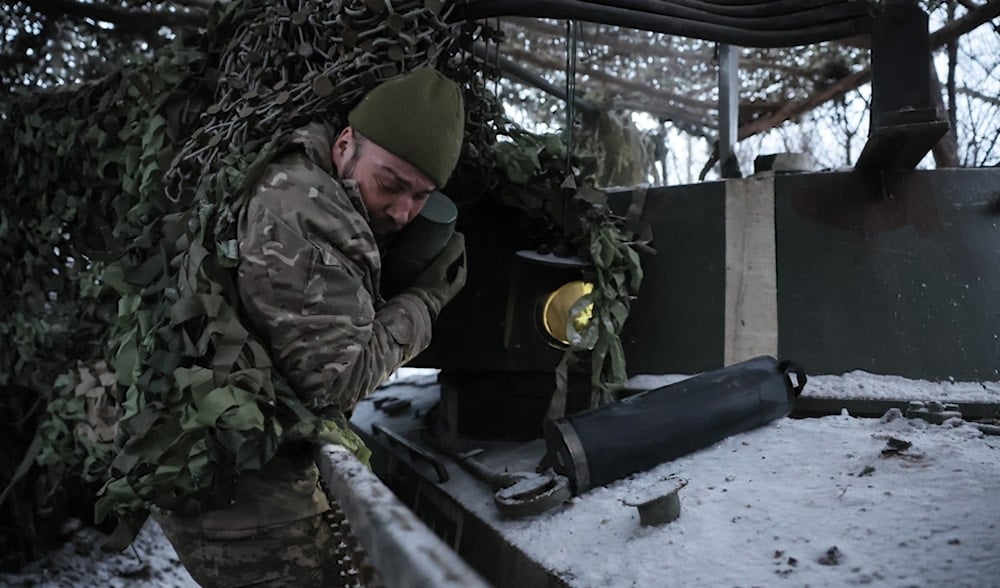
In this photo provided by Ukraine's 24th Mechanized Brigade press service, servicemen fire a 2S1 Gvozdika self-propelled howitzer, Donetsk region, Sunday, Jan. 18, 2026 (AP)
The European Union is weighing changes to its temporary protection system that could limit access for military-age Ukrainian men, as member states grapple with integration pressures, migration management, and Ukraine’s growing manpower needs, Euronews reported.
The scheme, which has allowed more than four million Ukrainians to live and work across the EU since 2022, is now under renewed political scrutiny as several governments push for tighter eligibility rules.
Under current rules, Ukrainians benefit from the EU’s Temporary Protection Directive, a fast-track system activated shortly after the war began in 2022. It grants residence and work rights across member states until March 2027 without requiring individual asylum applications.
At a meeting of EU interior ministers in Luxembourg on Thursday, officials discussed options to narrow the scope of the programme, according to diplomats cited by Euronews.
One of the leading proposals would exclude Ukrainian men aged between 23 and 60 who are eligible for military service, marking a significant potential shift in EU asylum policy.
Germany and Poland push for tighter eligibility rules
Countries including Germany and Poland are among those advocating for stricter conditions, arguing that the system must better reflect both security concerns and Ukraine’s domestic manpower requirements.
The European Commission has indicated that any revised framework should consider whether applicants were legally permitted to leave Ukraine. Under martial law, most men aged 23 to 60 are barred from exiting the country, with limited exemptions for disability, family status, or caregiving responsibilities.
While Ukraine’s official conscription age begins at 25, movement restrictions generally apply from age 23, complicating eligibility assessments across the EU.
Draft-age Ukrainian men at center of debate
Despite restrictions, some draft-age men have managed to leave Ukraine irregularly and later obtained protection status in EU states. According to available data, adult men make up around 26.6% of Ukrainian refugees in Europe, though precise figures for military-age arrivals remain unclear.
German Interior Minister Alexander Dobrindt said authorities had observed a recent increase in arrivals of men of compulsory military age, adding further political pressure to reassess current rules.
Divided approaches across EU member states
Implementation of the temporary protection system varies significantly across the bloc. Belgium requires proof of legal exit from Ukraine, making it harder for irregular departures to obtain status, while Poland grants protection upon arrival.
The largest host countries for Ukrainian beneficiaries are Germany, with more than 1.27 million people, followed by Poland and Czechia, according to EU data.
A tightening of the system would align with calls from Ukrainian President Volodymyr Zelensky, who has said men who left the country during wartime should return and support national defence efforts.
Read more: Ukrainian army struggling with manpower shortage: WSJ
Split over scope and future of protection scheme
Another proposal discussed in Brussels would limit protection for people coming from regions of Ukraine deemed “safe", though several governments strongly oppose the idea, arguing that no part of the country can be considered insulated from the war.
Polish officials rejected the proposal, warning it would ignore the realities of cross-border insecurity. Spain and Italy, meanwhile, favor maintaining the current framework, stressing continued protection alongside long-term integration and voluntary return strategies.
EU sources said the European Commission could present a formal proposal in the coming weeks, or before the summer recess, as the bloc seeks to balance humanitarian obligations with political and logistical pressures.
Read more: Ukraine offers Gen Z money to fight amid manpower shortage: WSJ


