
EU mulls replacing Russian oil price cap with ban on maritime services
 3 Min Read
The EU may scrap Russia's oil price cap and instead ban shipping services tied to Russian oil, with new sanctions targeting banks and trade routes via Kyrgyzstan.
-
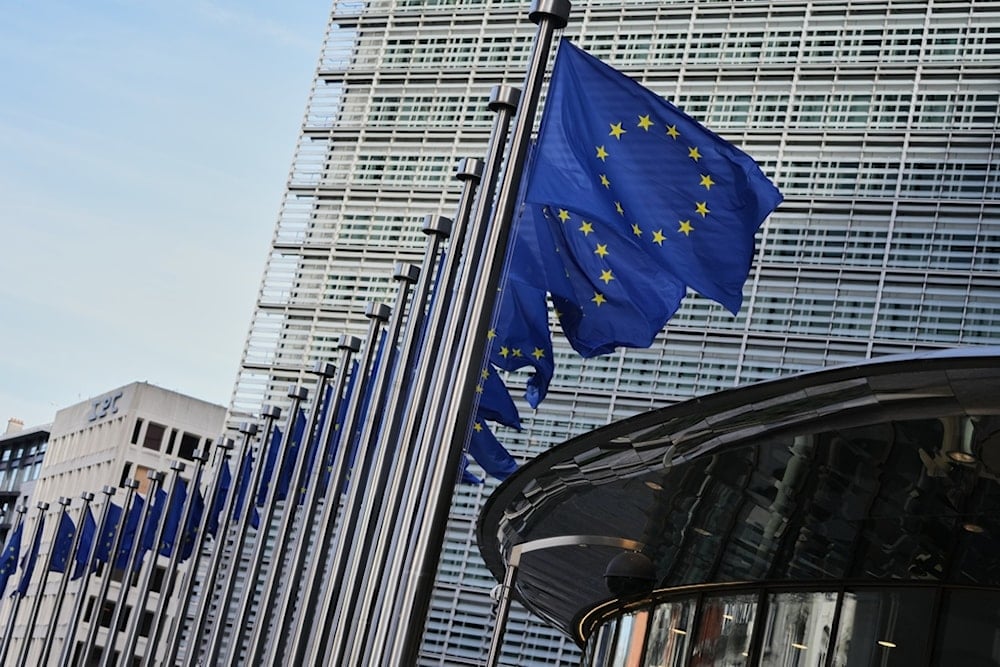
European Union flags flap in the wind outside of EU headquarters in Brussels, Tuesday, Nov. 4, 2025. (AP Photo/Virginia Mayo)
The European Union is reportedly considering scrapping its current price cap on Russian oil and replacing it with a ban on maritime services, including transport and insurance, in a move that could significantly escalate sanctions pressure on Moscow, Bloomberg reported Friday.
Citing sources familiar with the matter, the report said that if the proposal gains support from all EU member states, European companies could be prohibited from providing shipping, insurance, or other maritime services for Russian oil exports, regardless of the selling price.
However, internal divisions have already emerged, with some EU countries voicing opposition to the potential ban, according to the report. The oil price cap, originally introduced to curb Russian revenues while maintaining global supply stability, may now be seen by some as insufficient or difficult to enforce.
Sanctions could target banks, trade routes
The next EU sanctions package may also include additional restrictions on Russian oil companies, banks, and even financial institutions in third countries. Furthermore, the EU is reportedly preparing to apply, for the first time, a mechanism targeting alleged sanctions circumvention, specifically focused on equipment exports to Kyrgyzstan, which Brussels suspects may be rerouted to Russia.
The reported proposals reflect growing frustration within the EU over sanctions loopholes and pressure from some member states to tighten enforcement amid ongoing tensions with Moscow.
'Shadow fleet' probe
In this context, French authorities have opened a criminal probe into an oil tanker intercepted by the navy in the Mediterranean, detaining its captain amid suspicions that the vessel may have been using fraudulent registration to evade sanctions enforcement.
According to a statement issued Sunday by the prosecutor’s office in Marseille, the captain of the tanker Grinch was taken into custody as part of preliminary investigations examining whether the ship was operating under a false flag. The prosecutors said the inquiry is focused on the vessel’s legal status and documentation.
The tanker was intercepted last Thursday and later diverted to anchor off the southern French coast after authorities flagged it as a possible component of the so-called “shadow fleet” used to transport Russian oil outside Western controls.
French officials confirmed the vessel had departed the Russian port of Murmansk earlier this month while sailing under the flag of the Comoros, prompting questions over whether the registration was authentic. Investigators are also reviewing the tanker’s navigation papers.
Although the prosecutor’s statement did not explicitly mention Russia, the investigation coincides with European sanctions frameworks introduced since the start of the war in Ukraine, during which Russian oil exports have continued to flow to markets including India and China, frequently transported by vessels operating outside traditional Western shipping and insurance systems.
Read more: EU moves to blacklist 41 Russian tankers


