
Europe drafts postwar Hormuz plan excluding US
 3 Min Read
Europe proposes a postwar Hormuz mission excluding the US, but delays action until fighting ends.
-
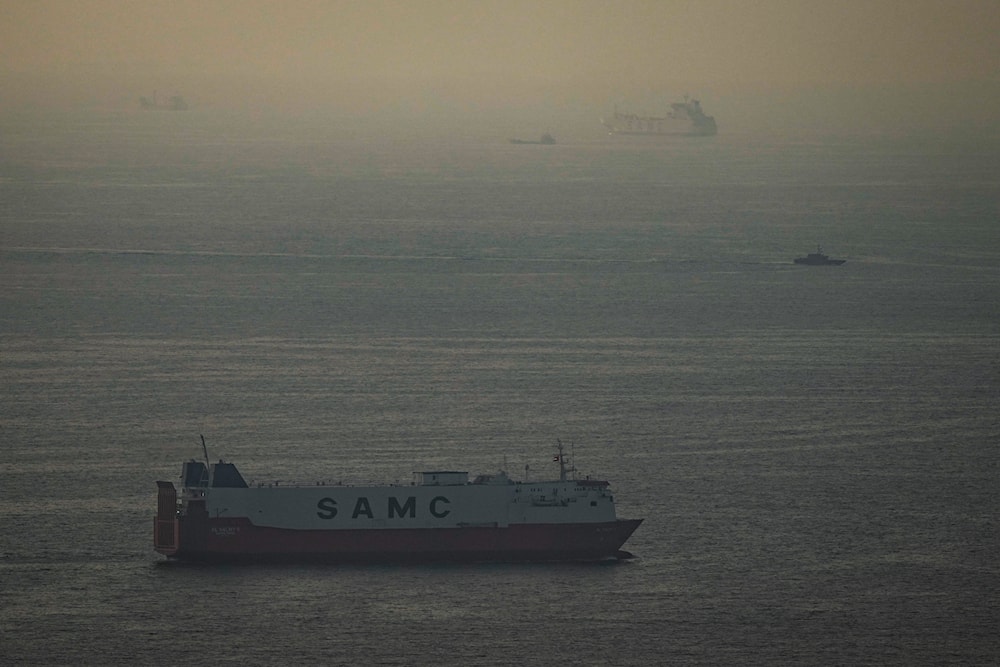
Cargo ships sail in the Gulf Sea toward Strait of Hormuz in United Arab Emirates, Thursday, March 19, 2026. (AP Photo)
European countries are advancing a postwar plan to secure shipping in the Strait of Hormuz, opting to exclude the United States while postponing any meaningful action until after the war on Iran ends, The Wall Street Journal reported.
French President Emmanuel Macron alleged the proposed mission would be "defensive" in nature and would not include “belligerent” parties.
European diplomats also confirmed that any participating forces would operate independently of US command.
The proposition comes after US President Donald Trump's weekend announcement of a comprehensive US naval blockade targeting Iranian ports marked yet another abrupt shift in his fluctuating approach to pressuring Tehran and reopening the Strait of Hormuz to commercial shipping, The New York Times reported.
The US Navy was set to begin blocking access to Iranian ports starting Monday and was set to intercept any vessels making transit payments to Iran, Trump said, suggesting to Fox News that other militaries would be "helping us with this."
However, by early Monday, no volunteers had emerged.
Plan hinges on conditions yet to materialize
European officials stressed that the mission would only be deployed once fighting stops, raising questions about its immediate relevance as global shipping disruptions continue.
French Foreign Minister Jean-Noël Barrot acknowledged that the initiative would require coordination with Iran and regional states, suggesting the plan remains contingent on political conditions beyond Europe’s control.
Hesitation and internal divisions
Despite presenting the plan as a coordinated effort, divisions persist among European capitals.
Germany, long reluctant to engage militarily abroad, is now considering participation, though any deployment would require parliamentary approval and a formal international mandate, further delaying action.
In addition, Rome's refusal to support the ongoing war on Iran led Trump on Tuesday to openly rebuke Italian Prime Minister Giorgia Meloni, exposing growing strains between Washington and one of its key European partners as divisions widen over a war many in Europe view as destabilizing and unjustified.
Growing rift with Washington
US President Donald Trump has pressed European allies to take a more active role in securing the Strait, including supporting measures against Iran.
European governments have declined, arguing that:
- Military intervention could escalate the war
- Operations would be prolonged and vulnerable to attack
- Domestic opposition limits appetite for involvement
Instead, European leaders have focused on post-war planning rather than immediate intervention.
War continues to disrupt global economy
The US-Israeli war on Iran, now entering its seventh week, has disrupted international trade, destabilized energy markets, and inflicted economic hardship on countries worldwide, harming both American allies and adversaries alike.
Trump's sudden blockade announcement on Sunday did little to improve the increasingly bleak global outlook. Oil prices climbed on Monday while stock markets declined, indicating that investors do not believe the blockade will quickly resolve the economic damage caused by the war.
The blockade appears to represent Trump's latest attempt to pressure Tehran into negotiations after direct talks between US and Iranian officials in Pakistan over the weekend failed to produce a breakthrough.
A delayed three-phase strategy
The European proposal outlines a phased approach:
- Facilitating the exit of stranded vessels
- Conducting extensive demining operations
- Establishing naval escorts and surveillance
However, all stages depend on the cessation of war, reinforcing criticism that Europe’s response is reactive rather than proactive.


