
Iran planning to charge vessels to pass through the Strait of Hormuz
 3 Min Read
Iran’s Parliament is advancing a plan to impose tolls on vessels through the Strait of Hormuz as the US-Israeli war on Iran continues to disrupt maritime traffic and global oil flows.
-
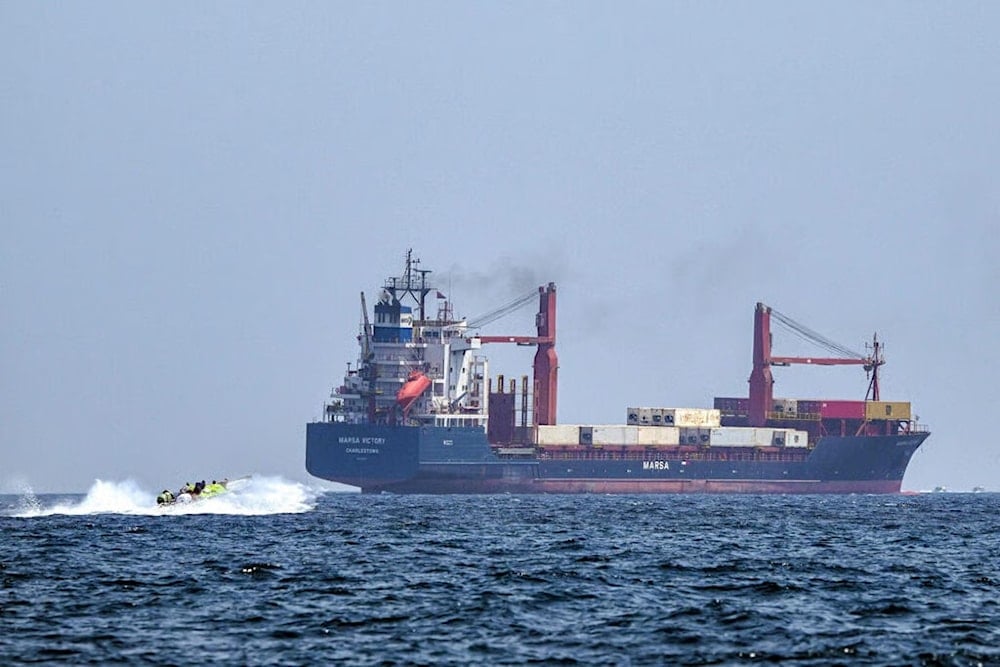
An undated photo of an Egyptian cargo ship in the Strait of Hormuz (Giuseppe CACACE / AFP)
Iran’s Parliament is preparing legislation to implement formal tolls on ships seeking to pass through the Strait of Hormuz. Lawmakers said the move is designed to assert Tehran’s “sovereignty, control and oversight” over the passage, building on a system of temporary fees applied since late February, according to Iranian media outlets.
Since the onset of the US-Israeli war on Iran on February 28, Iranian authorities have restricted vessel movements, requiring ships to obtain approval before passing through the strait.
The toll legislation comes as the strait remains one of the world’s most sensitive maritime routes. Iran has warned that unauthorized vessels linked to the US and Israeli aggression on the Islamic Republic, attempting to transit the waterway, would face “severe action,” with the Islamic Revolution Guards Corps recently turning back multiple container ships.
US President Donald Trump threatened military action against Iran’s power infrastructure if the Strait remains closed. US attempts to organize international naval escorts in an attempt to negate Iran's sovereignty over the passage have yet to succeed.
Tehran made clear that “nonhostile” ships may pass safely if authorized, and fees would be applied for guaranteed transit.
Iran's Foreign Minister Abbas Araghchi said last week that the Strait remains open, but is "closed only to enemies carrying out cowardly aggression against Iran."
Read more: Iran to dictate terms to end war: Iran army forces
Uproar over Iran's leverage
Where critics have called Iran's move to implement a toll on ships transiting the Strait of Hormuz, with voices like US Secretary of State Marco Rubio claiming the plan is “illegal”, global precedent suggests otherwise.
For example, Turkiye charges vessels to pass through the Bosphorus and Dardanelles Straits, which, under the Montreux Convention of 1936, Ankara charges transit fees on merchant ships for passage through these waterways.
The fee is calculated on a per‑tonnage basis and has been periodically adjusted; most recently, the rate was increased, with vessels paying several dollars per net tonnage to transit.
Global implications for oil markets
Approximately one-fifth of the world’s oil and natural gas shipments pass through the Strait of Hormuz. Disruptions from the toll system and ongoing military actions have contributed to higher global fuel prices, reinforcing Iran’s strategic leverage in the conflict.
The new framework signals Tehran’s intent to use its control over its waterway to regulate access systematically, rather than relying on ad hoc measures, while simultaneously sending a message to the US and “Israel” about the country’s ability to control this key energy corridor.


