
Europe needs 5-10 years to achieve defense autonomy: Belgian minister
 3 Min Read
Belgium's defense minister warns Europe needs five to ten years to become autonomous in conventional defense as US troop cuts loom.
-
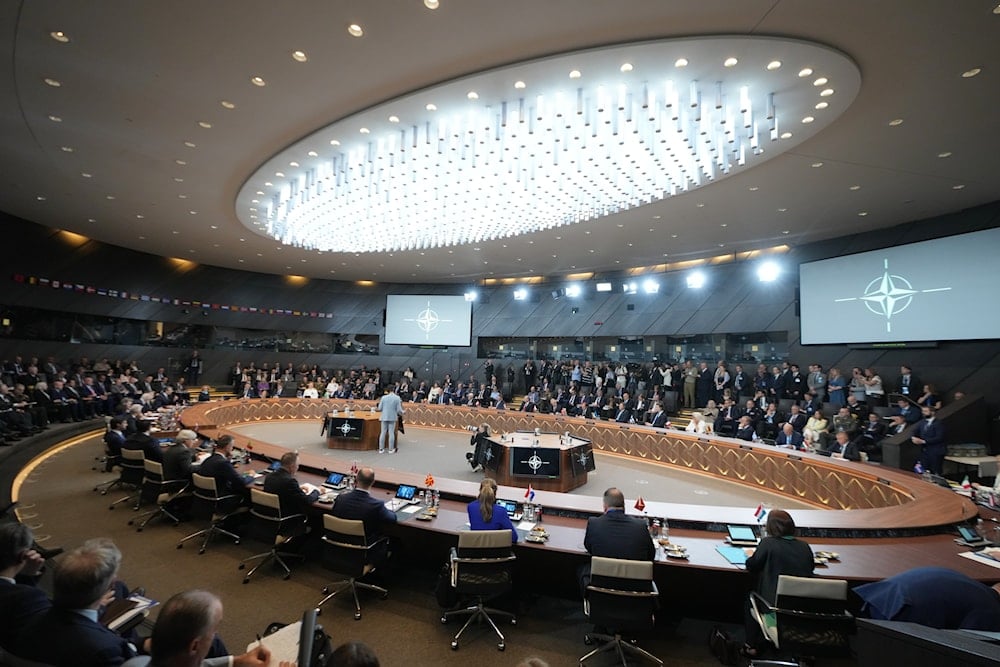
A general view of a meeting of the North Atlantic Council in defense ministers format at NATO headquarters in Brussels, June 18, 2026 (AP)
Europe would require between five and ten years to become fully responsible for the continent’s conventional defense, Belgian Defense Minister Theo Francken told Reuters on Friday, urging stronger dialogue between European capitals and Washington.
Speaking in an interview one day after US War Secretary Pete Hegseth announced a new review of America’s troop deployments in Europe, Francken said he believed the timeline for European autonomy was realistic.
“I think in five to ten years we will be pretty much autonomous on the conventional,” Francken said, warning that the ongoing US posture review was likely to lead to further American withdrawals, making it imperative for Europe to act.
“When they withdraw even more, and that probably will be the end of that posture review, the conclusion, we need to step up,” Francken said. However, he pointed to a critical bottleneck, adding that “the problem is then when we try to purchase military equipment, it takes so much time”.
Hegseth lashes out at NATO summit, issues ultimatum to Europe
Francken's warnings closely follow a blunt ultimatum delivered by US War Secretary Pete Hegseth to NATO allies on Thursday, when he announced a sweeping six-month review of American force posture in Europe and tied future US financial contributions to allied defence spending.
Speaking to NATO defense ministers in Brussels, Hegseth confirmed the Pentagon would reassess its European military footprint to accelerate the alliance's shift toward "Europe leading" its own conventional defence, as Washington pivots strategically toward China and pressures European capitals to shoulder more continental security burdens.
"This will be a real review," Hegseth told the gathering. "It will be designed to ensure that NATO is moving fast and irreversibly toward Europe leading, stepping up to take primary responsibility for the defence of Europe."
The Pentagon chief also criticised certain European allies who imposed restrictions on US military movements during the Iran war, calling those actions "shameful" and accusing them of endangering American service members. He further warned that the US contribution to NATO's common budget, roughly $790 million for 2026, would be contingent on allies meeting spending commitments, stating: "Where other allies do not spend with urgency, our dues contributions will go down."
Despite the tough rhetoric, Hegseth struck a more conciliatory note later, acknowledging that "many countries" were following through on pledges and praising those who had "stepped up", while vowing to remain candid with those still lagging behind. "I think that's important, friends being honest with friends," he said.


