
Germany accuses Nord Stream suspect of pipeline blast on Kiev's behalf
 2 Min Read
German prosecutors accuse Ukrainian national Serhii K of helping carry out an operation aimed at halting Russian gas deliveries to Europe.
-
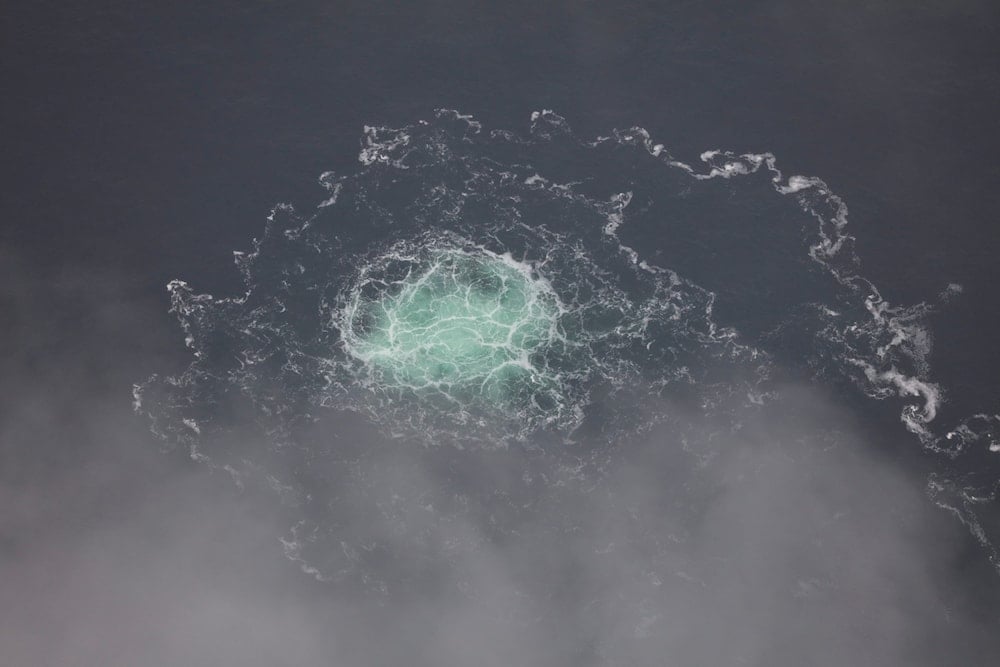
FILE - In this picture provided by the Swedish Coast Guard, a leak from Nord Stream 2 is seen, on Sept. 28, 2022 (AP)
German federal prosecutors have charged a Ukrainian national over his role in the 2022 explosions that damaged the Nord Stream gas pipelines, accusing him of involvement in an operation aimed at cutting off Russian gas flows to Europe, Reuters reported.
The suspect, identified under German privacy rules as Serhii K, faces charges including complicity in a war crime, causing an explosion, disrupting public services, and destroying structures.
Prosecutors said Thursday that Serhii K was part of a group that acted on behalf of Ukrainian government bodies and included military personnel. According to the prosecution, the objective of the operation was to permanently stop gas deliveries through the Nord Stream pipelines and deprive Russia of revenue from natural gas exports that could be used to fund its war effort.
Alleged use of forged documents
German authorities say the suspect entered Germany in September 2022 using a forged Ukrainian passport. He reportedly led a team made up of professional divers and an explosives expert before boarding a yacht that had been rented using falsified identification documents.
Prosecutors have revealed that the group transported large quantities of military-grade, high-performance explosives through international waters to an area near the Danish island of Bornholm.
From there, Serhii K is accused of helping attach the explosives to the undersea pipelines before the blasts tore through the infrastructure.
Arrested in Italy, transferred to Germany
The suspect was arrested in Italy last August and later transferred to Germany in November. He has denied any involvement in the Nord Stream attacks.
German courts have asserted jurisdiction over the case because the damaged pipelines run to Lubmin in Germany’s northeastern state of Mecklenburg-Vorpommern. Authorities have also argued that the destruction of the pipelines directly affected Germany’s energy security and internal safety.
The Nord Stream blasts, which occurred in September 2022, caused major damage to key energy infrastructure linking Russia to Germany and intensified tensions over responsibility for one of the most consequential acts of sabotage since the start of the war in Ukraine.
Read more: Nord Stream sabotage probe fractures European unity over Ukraine: WSJ


