
Ghalibaf mocks Trump's claims that oil prices would not rise
 4 Min Read
Iran’s Parliament Speaker warns that continued war could disrupt oil production and global markets while taking a swing at the US president.
-
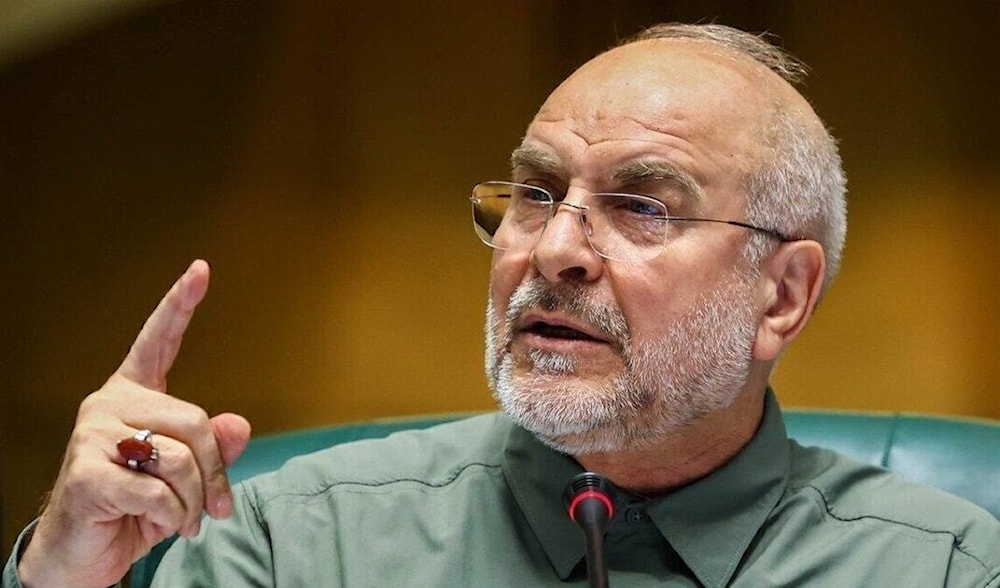
Iranian Parliament Speaker Mohammad Bagher Ghalibaf gestures as he speaks in an undated photo, Iran (WANA News Agency)
Iran’s Parliament Speaker Mohammad Bagher Ghalibaf criticized US President Donald Trump on Tuesday, warning that the war in the region could severely impact oil production and sales, with consequences for both regional and global markets.
In a post on X, Ghalibaf said that Trump had previously claimed oil prices would not rise significantly, but now, following the recent increase, the president has suggested that adjustments will be made.
If the war continues, there will be no ability to produce and sell oil effectively, he added.
ترامپ میگفت قیمت نفت خیلی بالا نخواهد رفت حالا که بالا رفته میگوید به زودی اصلاح میشود!
— محمدباقر قالیباف | MB Ghalibaf (@mb_ghalibaf) March 8, 2026
اگر جنگ همینطور ادامه پیدا کند نه راهی برای فروش نفت میماند و نه توانی برای تولید آن.
نه تنها منافع آمریکا که منافع کشورهای منطقه و جهان را هم پای توهمات نتانیاهو میسوزانند. #اول_اسرائیل
"It is not only the interests of the United States that are being harmed, but also the interests of regional and global countries, all being burned because of the illusions of Netanyahu," Ghalibaf emphasized.
Earlier, US President Donald Trump dismissed concerns about rising oil and gasoline prices amid the expanding war on Iran. In an interview for Reuters on March 5, he shrugged off worries about higher fuel costs, saying the US aggression on Iran was his top priority.
“I don’t have any concern about it,” Trump said when asked about increasing prices at the pump. “They’ll drop very rapidly when this is over, and if they rise, they rise, but this is far more important than having gasoline prices go up a little bit.”
Trump made similar comments during a March 6 engagement with reporters, repeating his view that any price increases would be temporary once the conflict concluded.
Oil prices up, Trump's ambitions down
Most global oil benchmarks have climbed sharply in the first week of March as military tensions involving Iran have disrupted energy markets.
Gasoline prices in the United States climbed to an average of $3.41 per gallon on March 7, representing a 14% jump compared with the previous week, amid continued US-Israeli attacks on Iran, which have disrupted oil exports from the Gulf.
The strikes have impacted about one-fifth of the world’s crude oil supply, driving the US benchmark, West Texas Intermediate, up to $90.90 per barrel by Friday. Most of the increase happened in just one day, reflecting market concerns over further interruptions to energy shipments.
By March 5, Brent crude oil had risen above $87 per barrel, its highest levels in years, and analysts warn prices could go even higher if supply bottlenecks persist. The rise in crude costs has flowed through to gasoline prices in many regions, pushing up fuel costs for consumers from Europe to Asia as importers adjust to tighter markets.
Fuel retailers and transport sectors have begun passing these higher costs to consumers. In the United States, the national average price for a gallon of regular gasoline climbed above $3.70 by early March, while in Germany, pump prices for petrol reached around €1.70 per liter. Diesel prices have also risen sharply in India and Japan, where refining margins widened as crude input costs increased.
Strait of Hormuz; a major factor
A major factor in this market upheaval is Iran's closure of the Strait of Hormuz, a narrow maritime passage through which about 20 % of the world’s crude oil and a significant share of LNG trade flows. With shipping slowed or halted due to conflict-related risks, exporters are struggling to move product, tightening global supply and amplifying price increases.
Economists say that if the situation at the Strait remains unresolved, transport costs and supply chain backlogs could persist, keeping energy prices elevated and potentially adding to broader economic strain in countries heavily reliant on imports. This has prompted some governments and companies to reassess strategic reserves and alternative supply routes to stabilize markets in the near term.


