
Ghalibaf re-elected as Iran's parliament speaker for new one-year term
 2 Min Read
Mohammad Bagher Ghalibaf has been re-elected as Speaker of the Iranian Parliament, securing a new one-year term following an internal parliamentary vote in Iran.
-
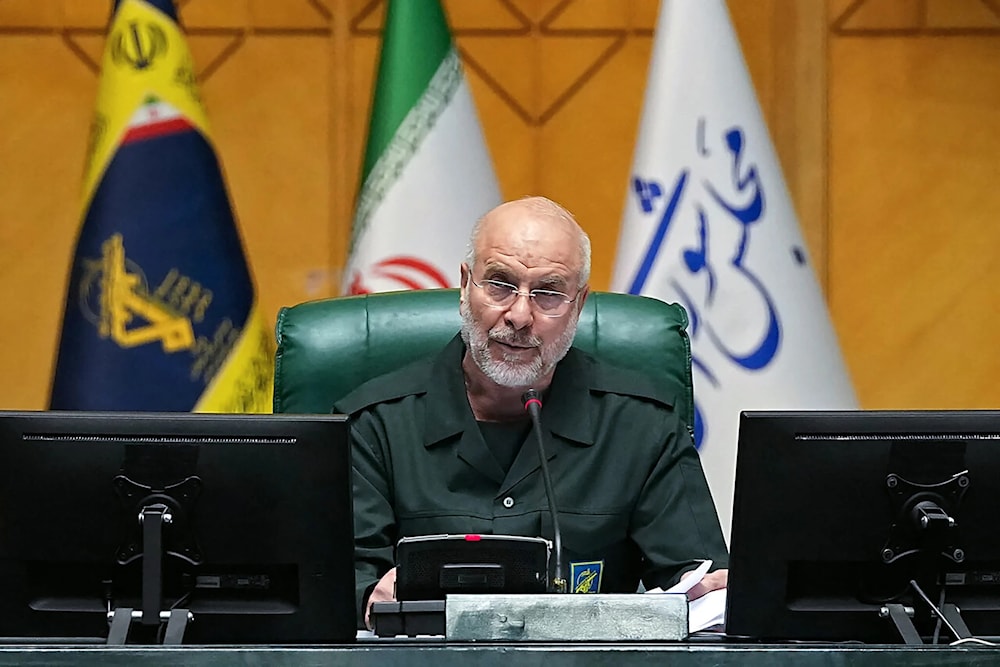
Iran's Parliament Speaker Mohammad Bagher Ghalibaf, dressed in an IRGC uniform, chairs a session in Tehran, Iran, on February 1, 2026 (AFP)
Mohammad Bagher Ghalibaf was re-elected as Speaker of Iran’s Parliament on Monday, securing a new one-year term after receiving the majority of votes in the 12th term of the legislature.
The internal vote began at 7:30 am local time, with members of parliament casting in-person, direct ballots to select the 12 members of the presiding board.
The board consists of the Speaker, two deputy speakers, six secretaries, and three supervisors. Full results and the names of the other board members are expected to be announced in the coming hours.
The parliament also has 13 specialized commissions, each with its own six-member presiding board comprising a chairperson, two deputy chairs, a spokesperson, and two secretaries.
Members of the parliament's presiding board are elected by a direct vote of all representatives. However, the presiding boards of the specialized commissions are elected for a one-year term by members of each respective commission.
Ghalibaf's prominence in Iran
Since the outset of the US-Israeli aggression against his country, parliament speaker Mohammad Bagher Ghalibaf has emerged as one of Iran’s most prominent political figures, particularly in matters related to negotiations and ongoing diplomatic maneuvers with the United States.
His name has been linked to communications and mediations witnessed in recent months, notably those conducted in the Pakistani capital, Islamabad, and several regional capitals.
Ghalibaf also has a strong presence in Iran’s political discourse regarding confrontation with the US and "Israel", adopting positions that underscore Tehran’s adherence to its political and strategic conditions and its rejection of any talks under pressure or threat.
Throughout the war, the Iranian parliament speaker has become one of the leading voices defending the Islamic Republic’s choices, repeatedly emphasizing the need to thwart external pressure and maintain deterrence equations, while also supporting Iranian positions related to the Strait of Hormuz and Iran’s wider regional role.


